"Life Journeys Leading to Mauthausen" Website
The website "Lebenswege nach Mauthausen" (Life Stories to Mauthausen) presents the stories of people whose lives were shaped by the camp – whether as prisoners, as perpetrators, or as residents of the surrounding area.
The biographies were illustrated as picture stories by students at the University of Art and Design in Linz. The individual images of the stories are presented on Home as an interactive hidden object game in the form of a jumbled stack of images. The picture stories serve as an introduction to the detailed biographies.
(Illustrations by Alena Ertl)
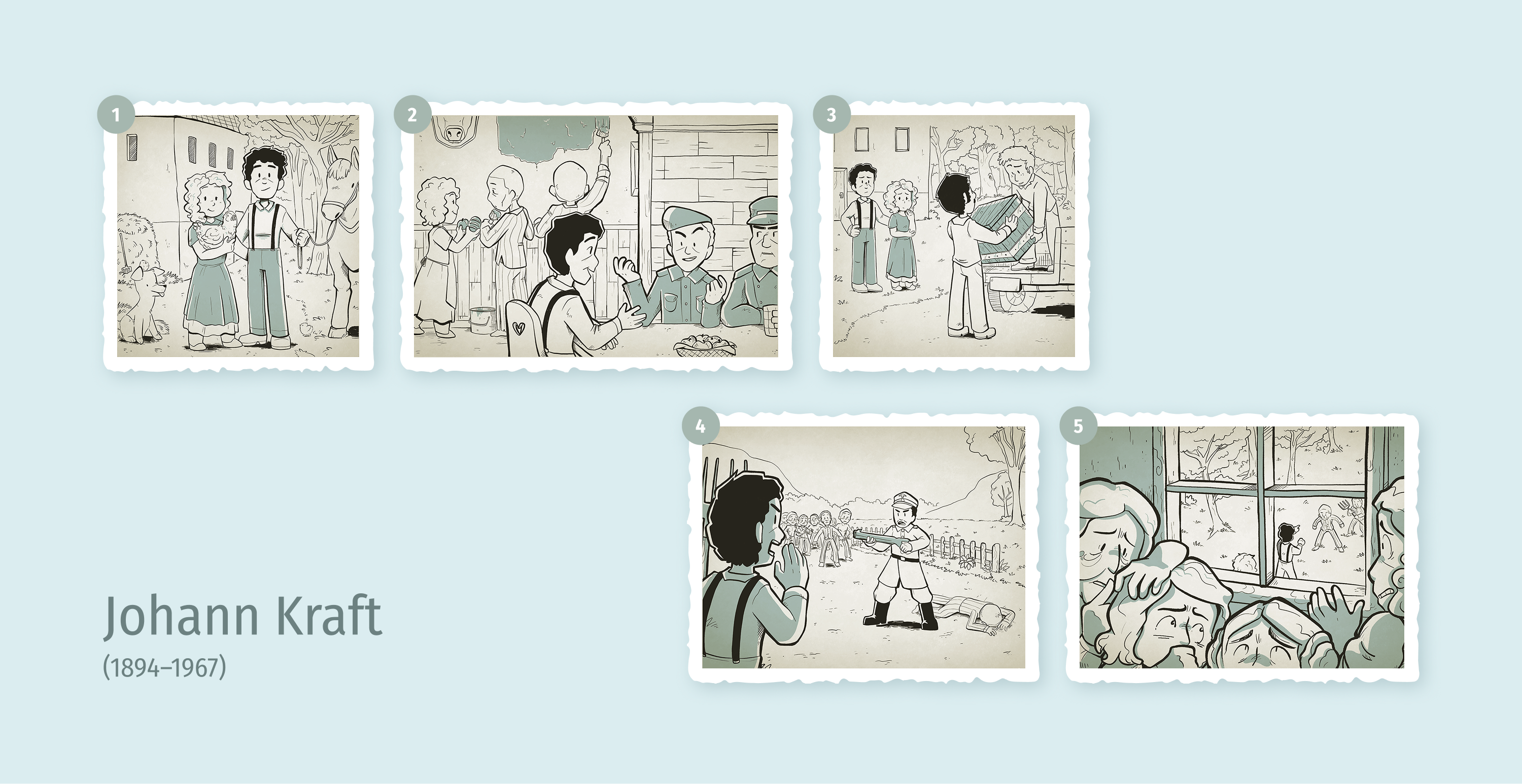
Hidden Object Image
A component was developed for the hidden object image on the website, which can be controlled both with the mouse and by touch. The cards are scattered in a disorderly pile and can be moved and rotated slightly to create a natural, analog feel when browsing.
Here is a demo version – try hovering over or dragging the images to see how it works.
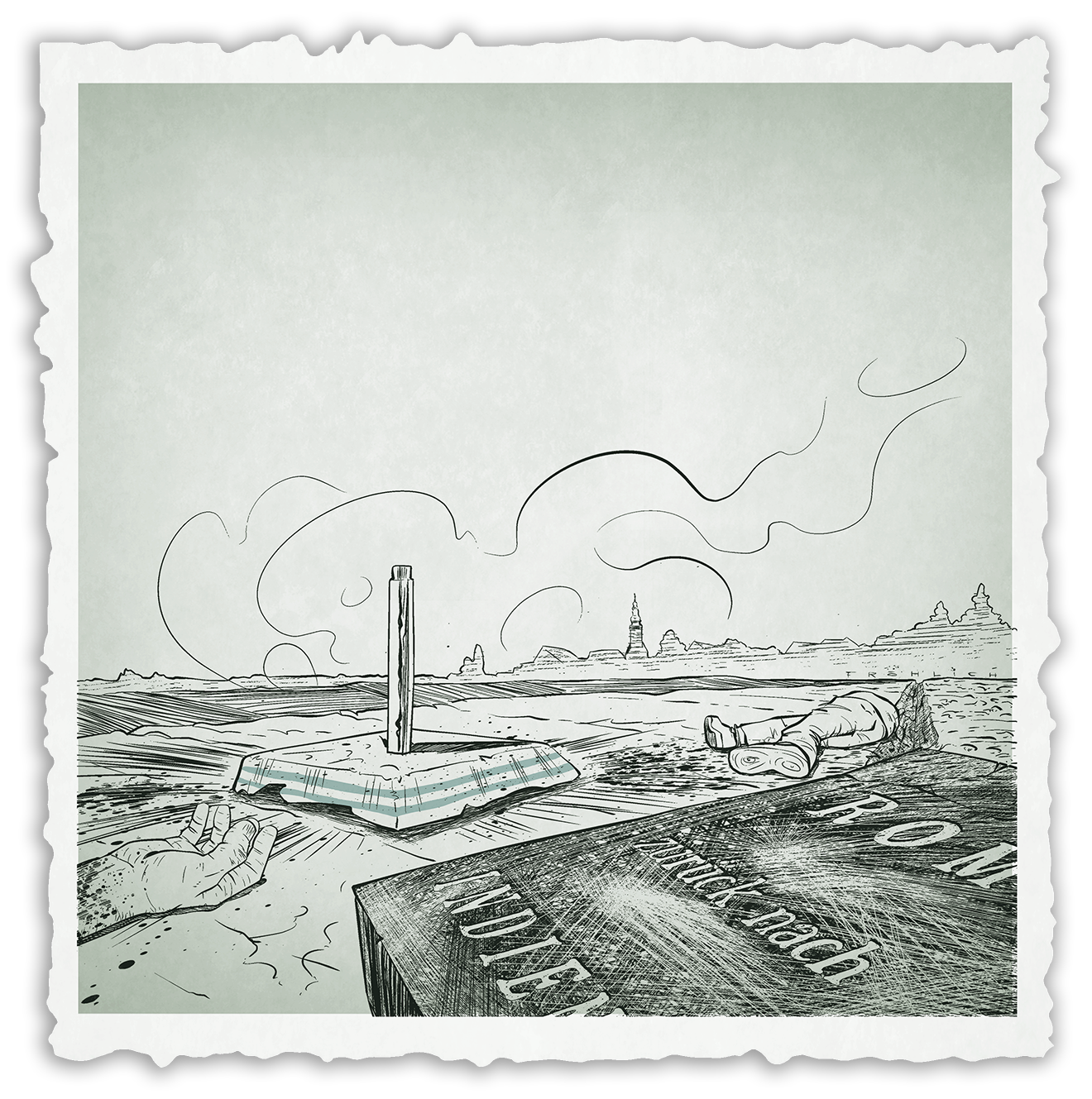
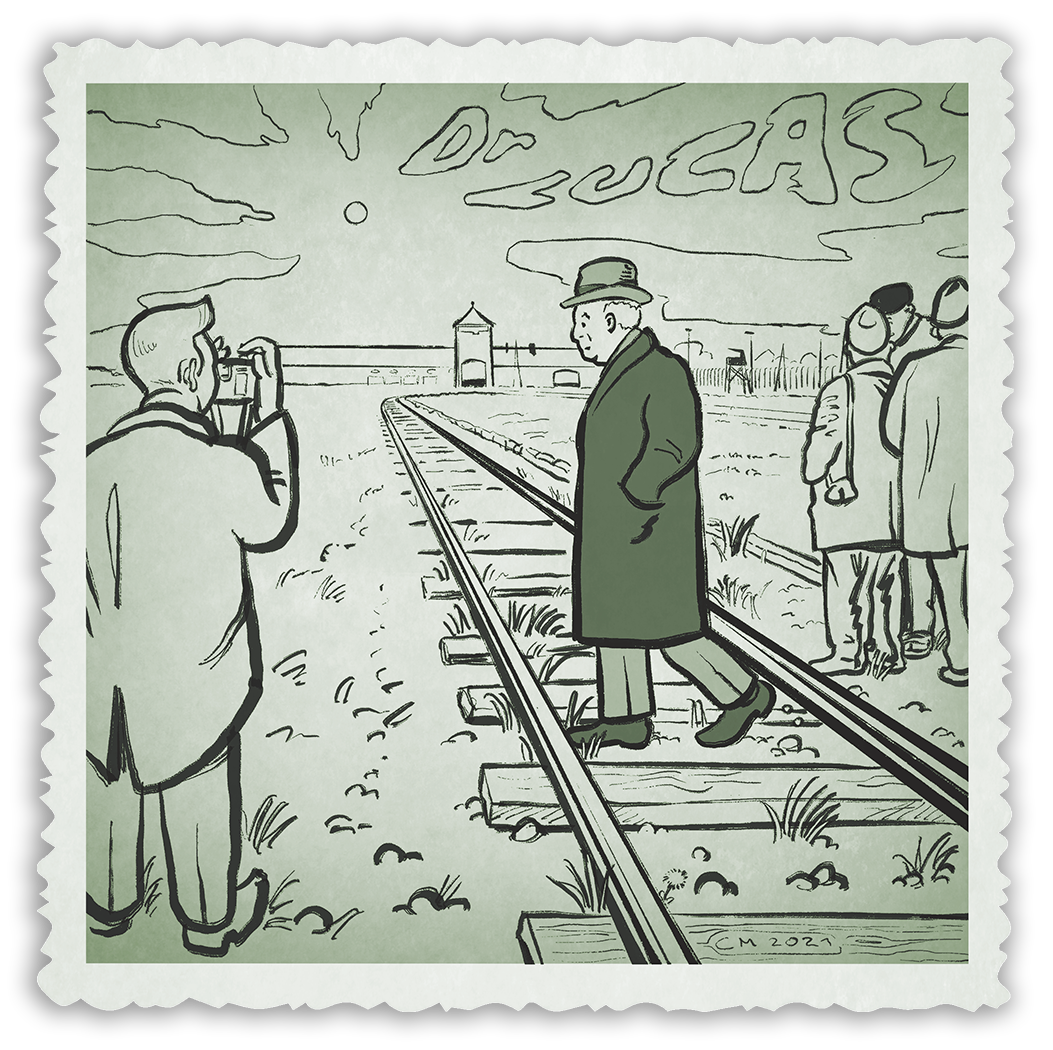
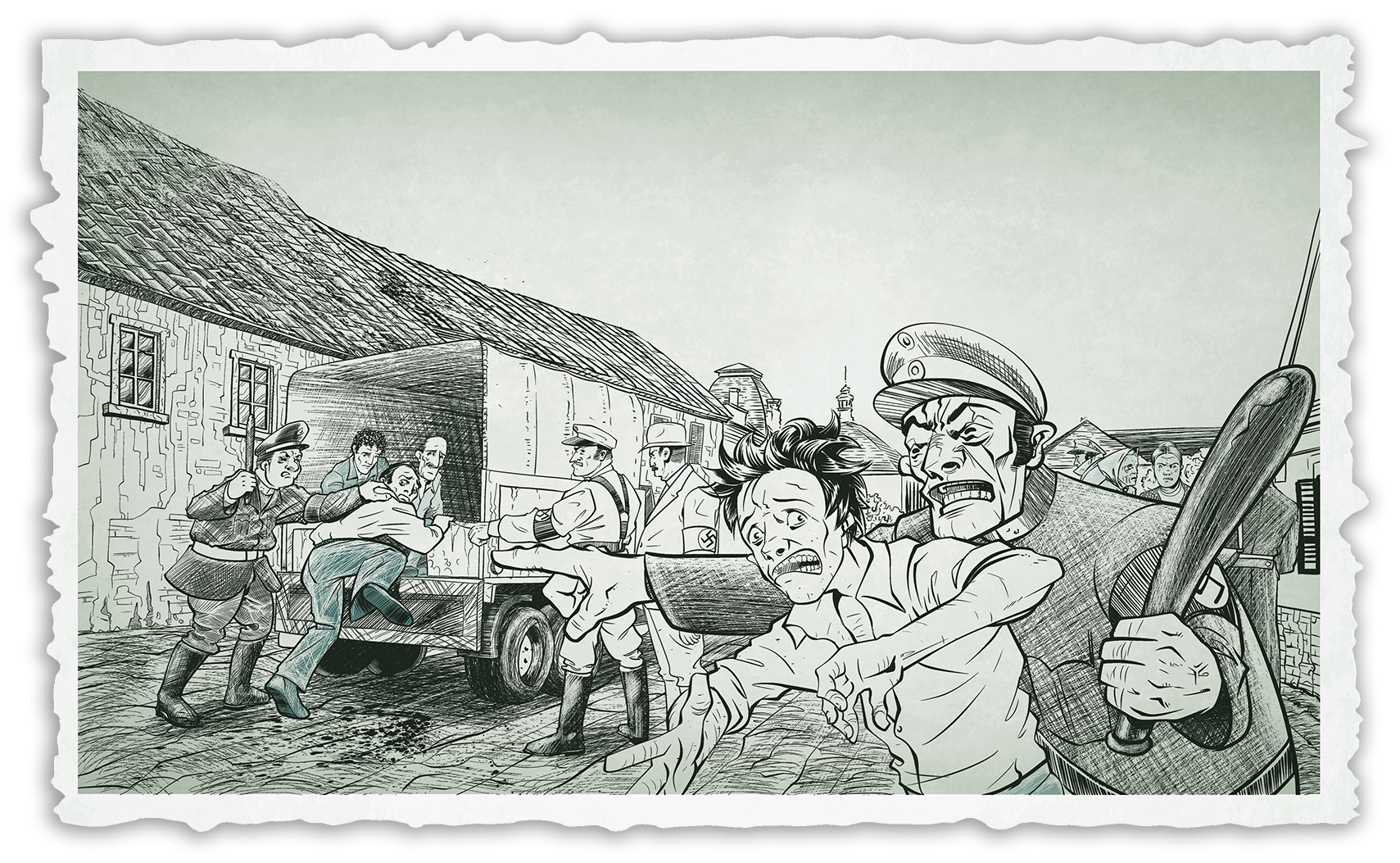
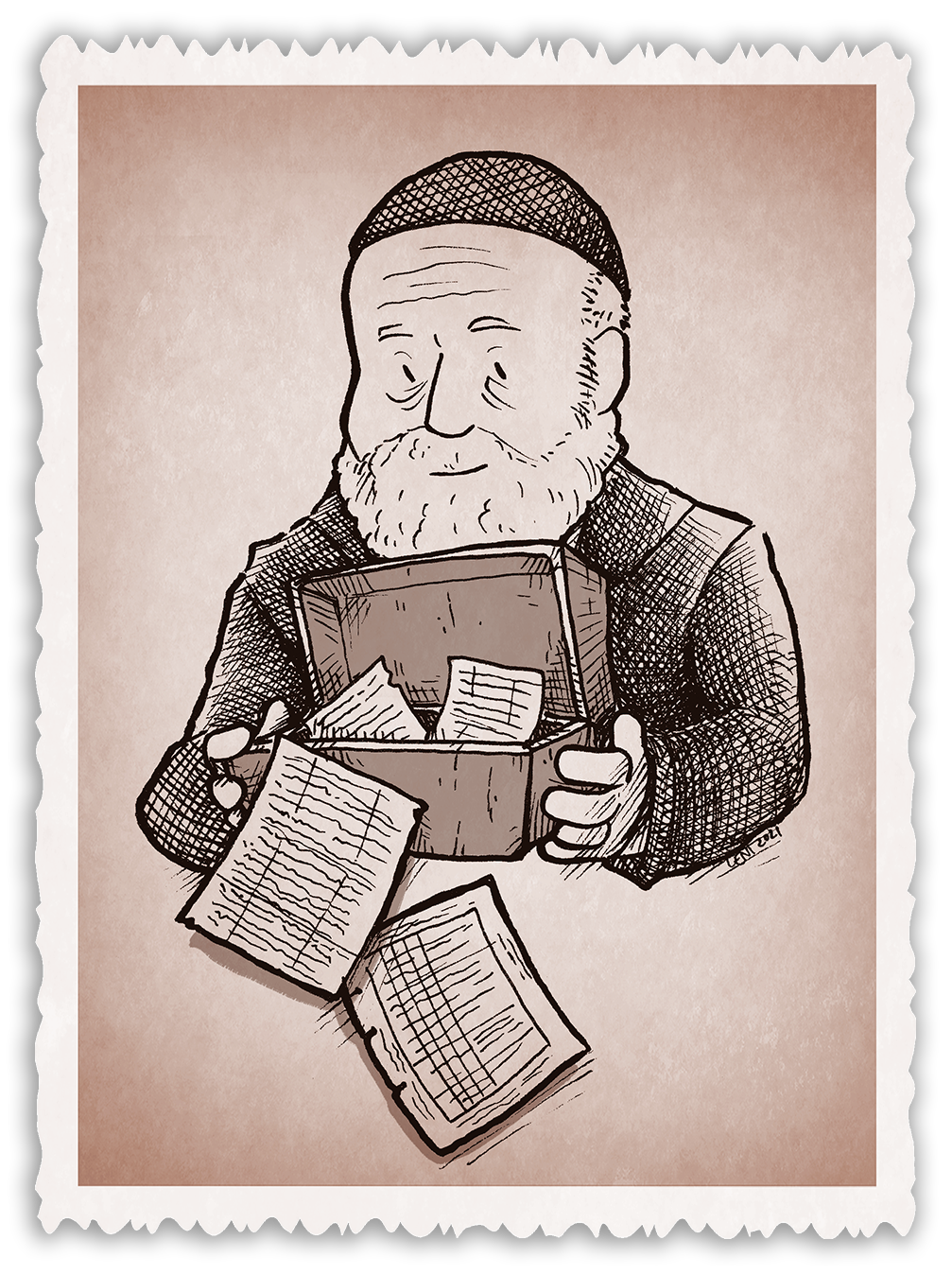
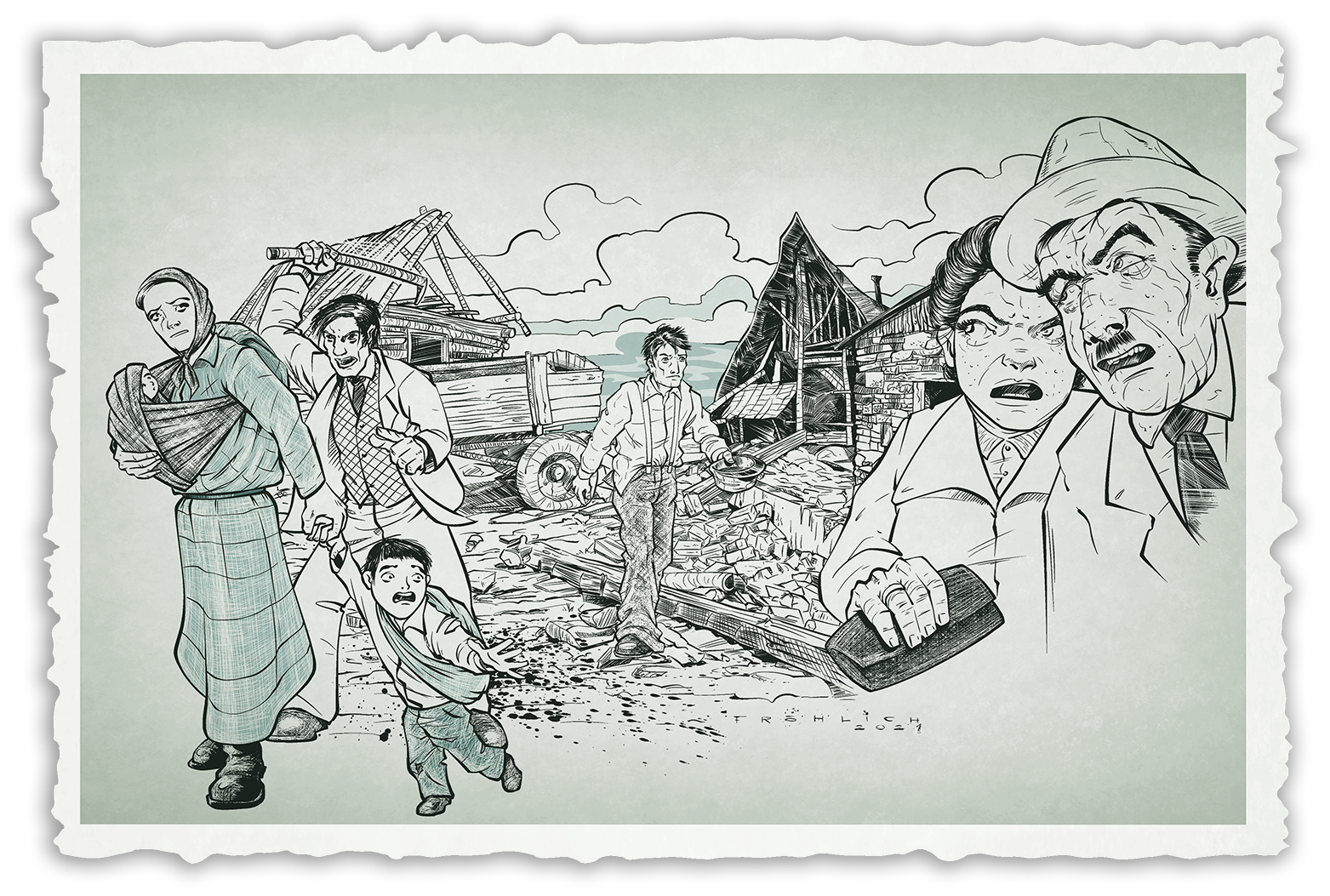
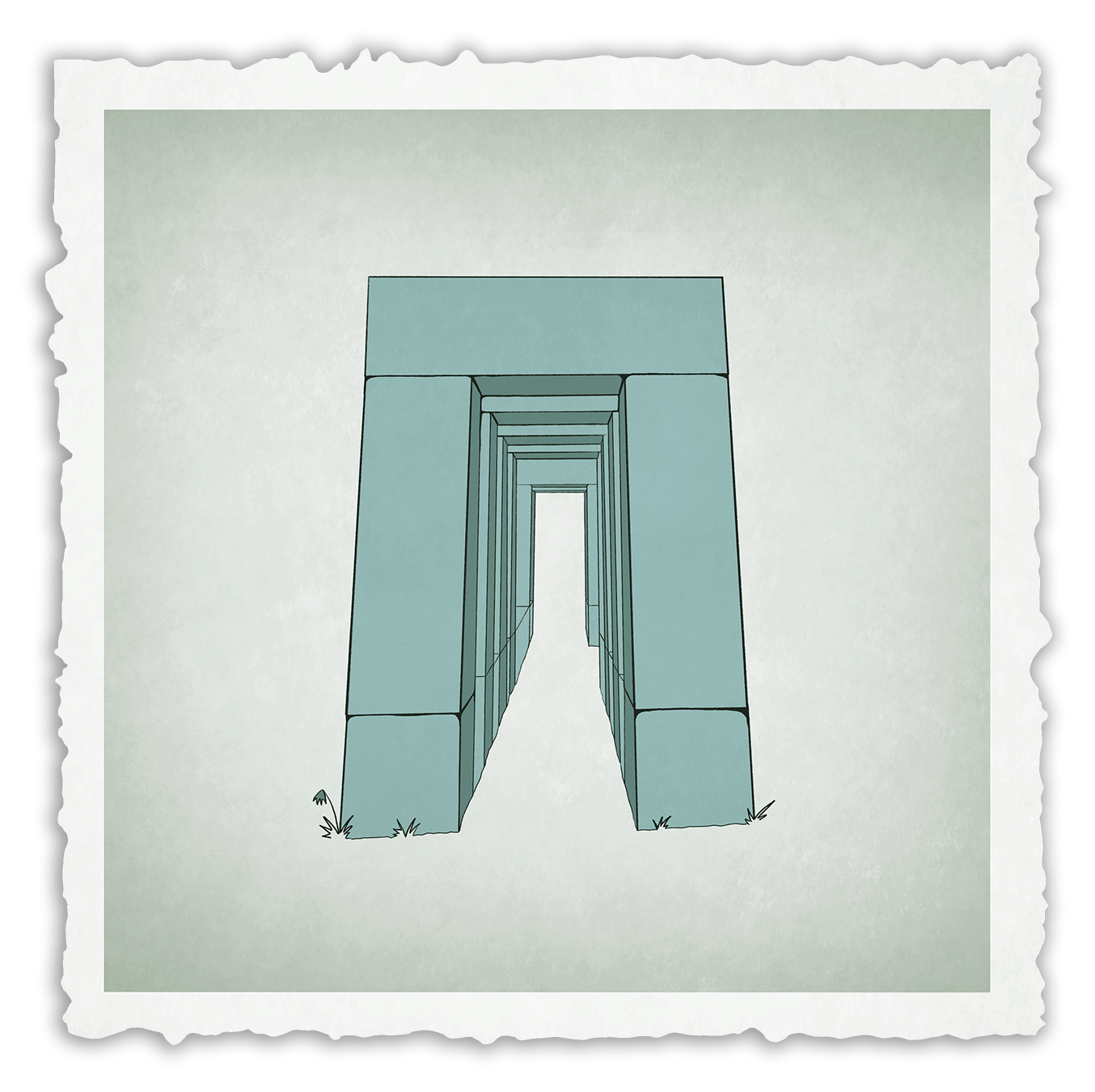
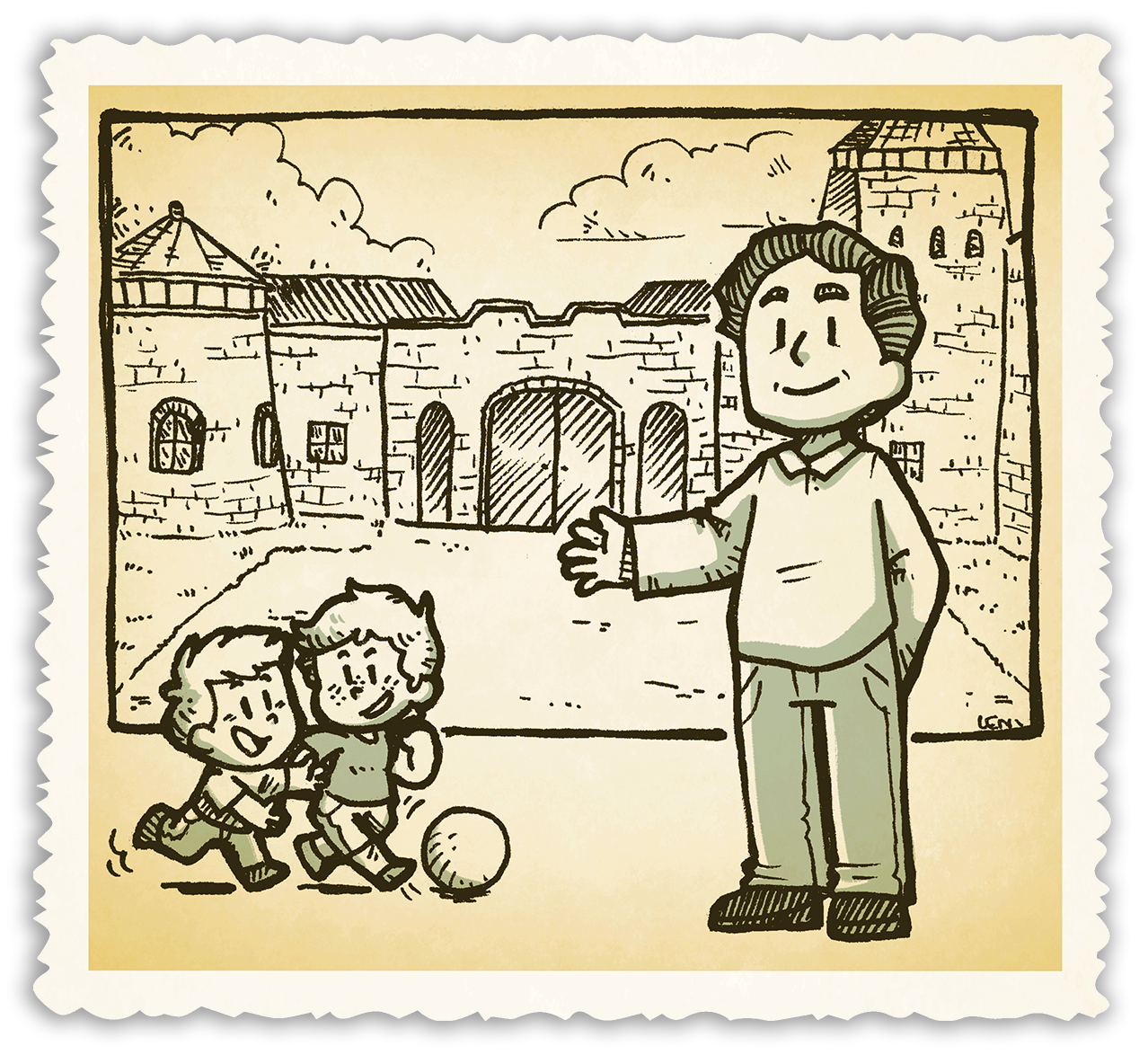
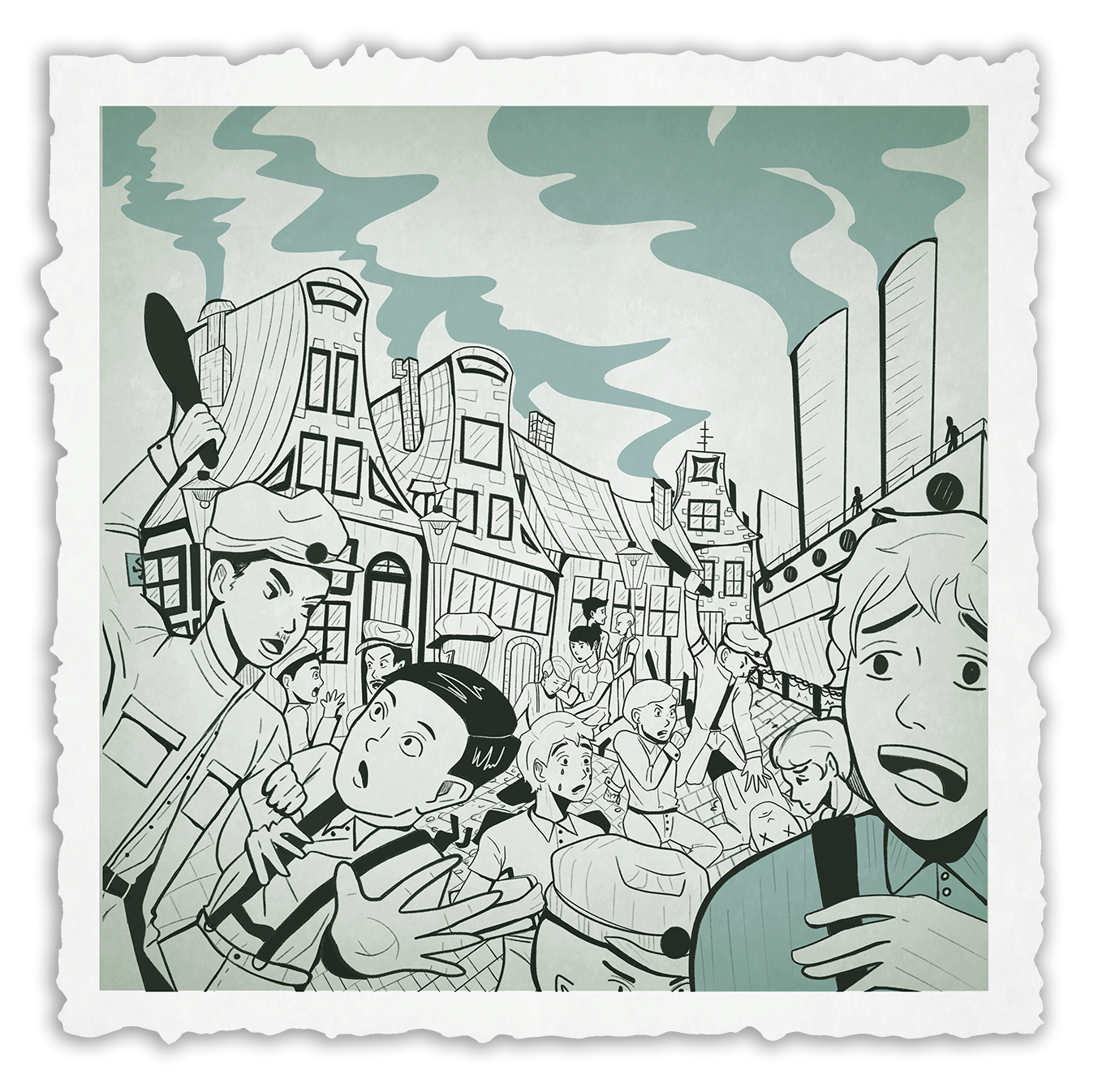
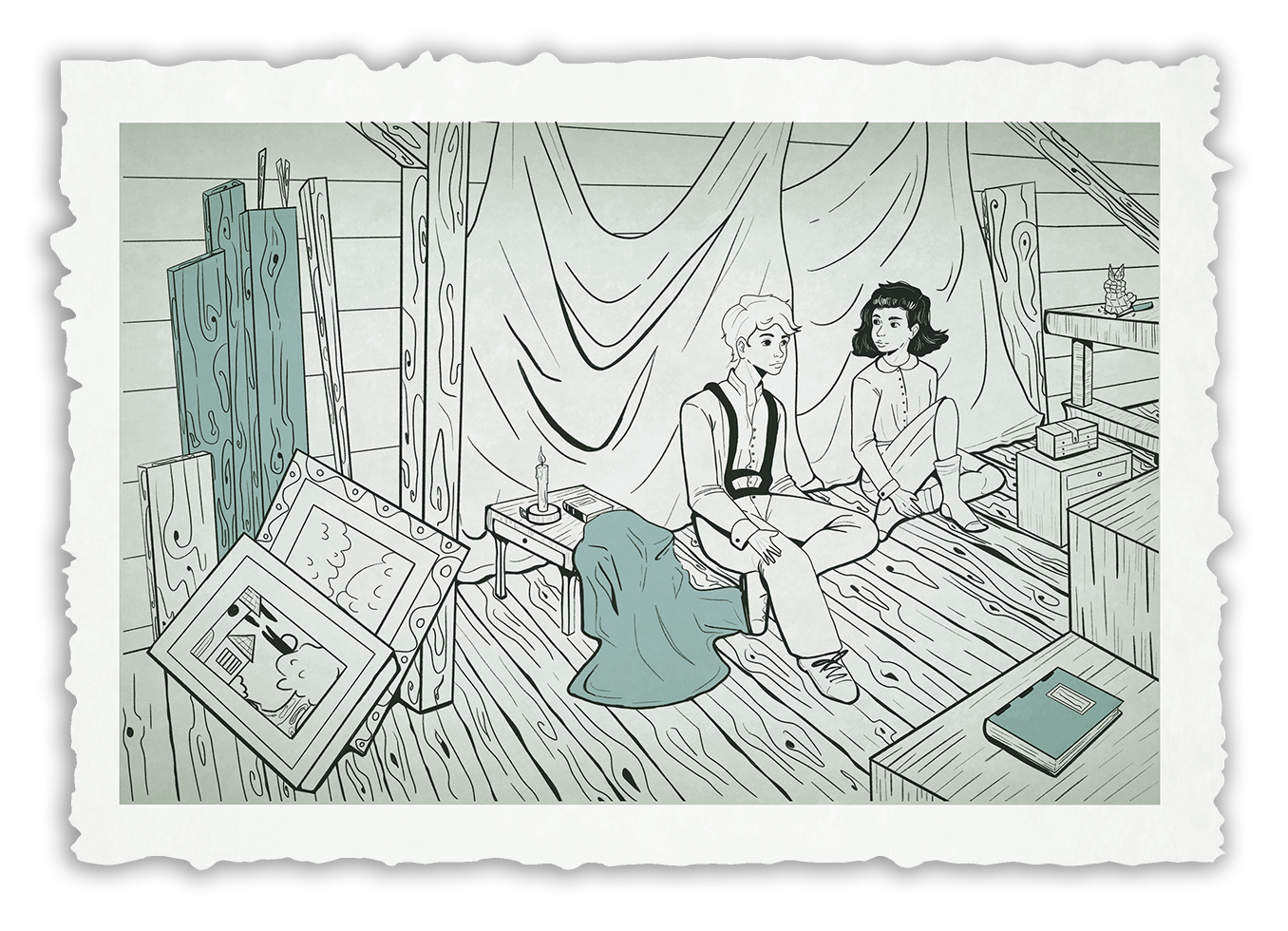
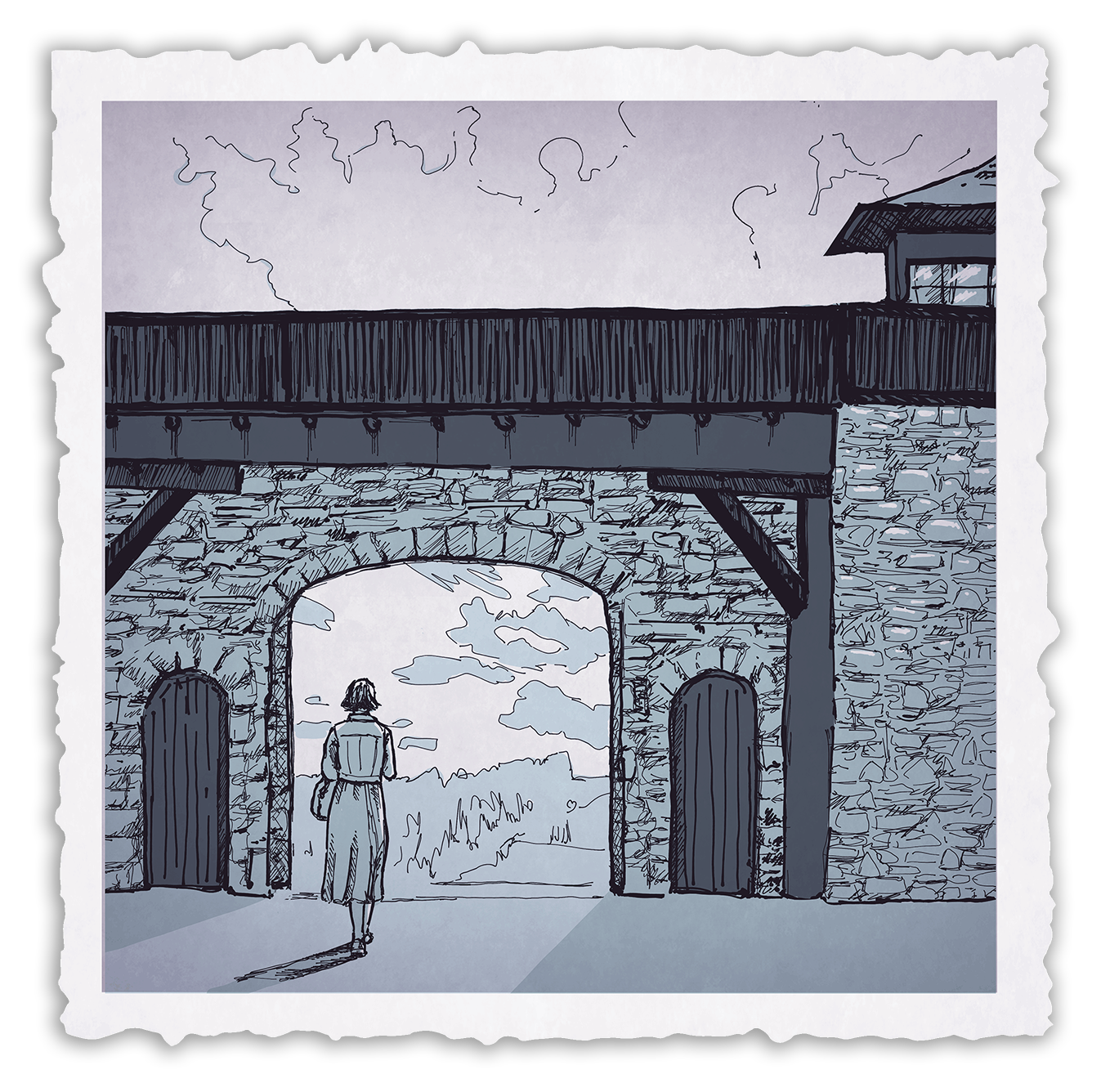
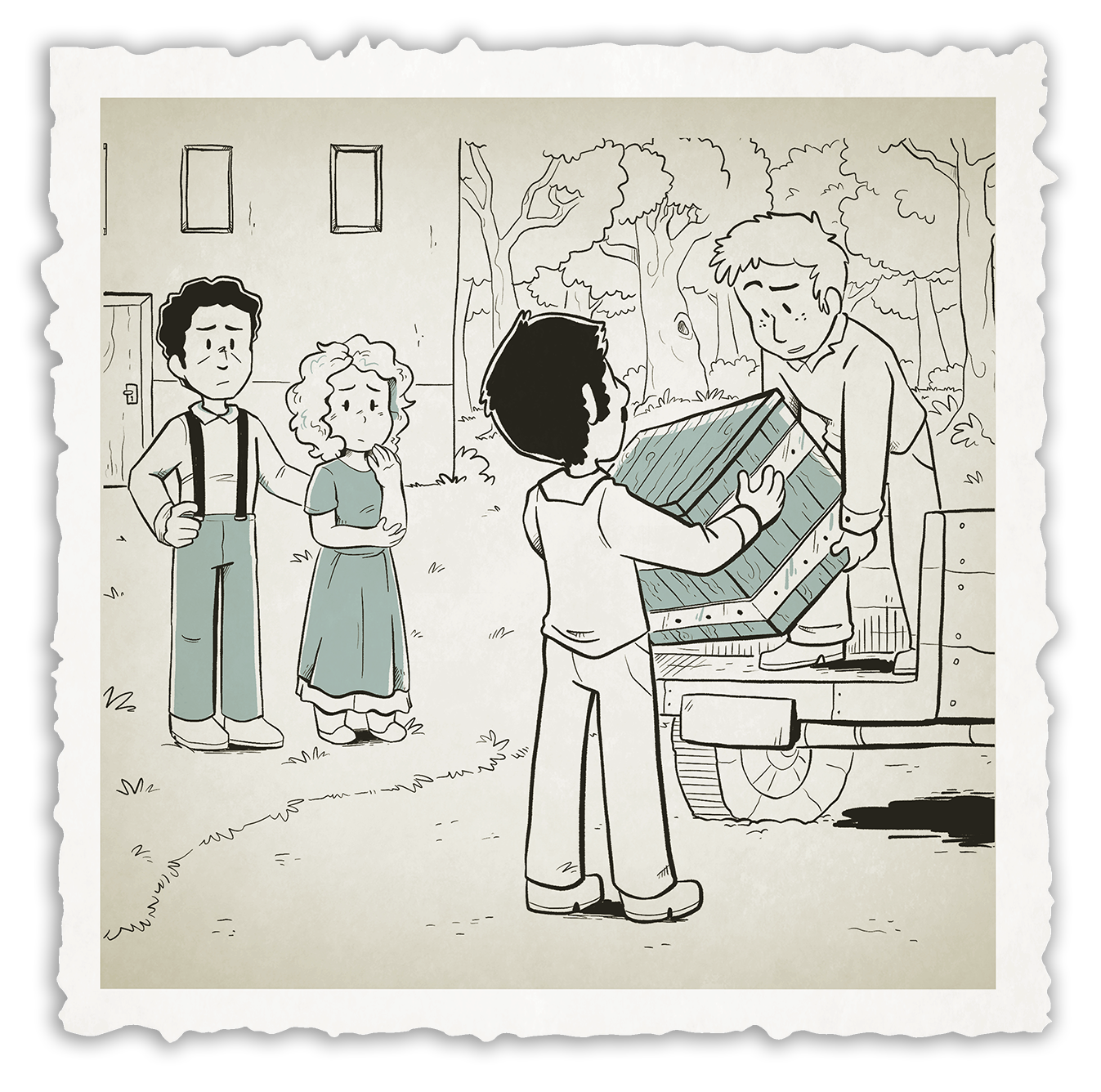
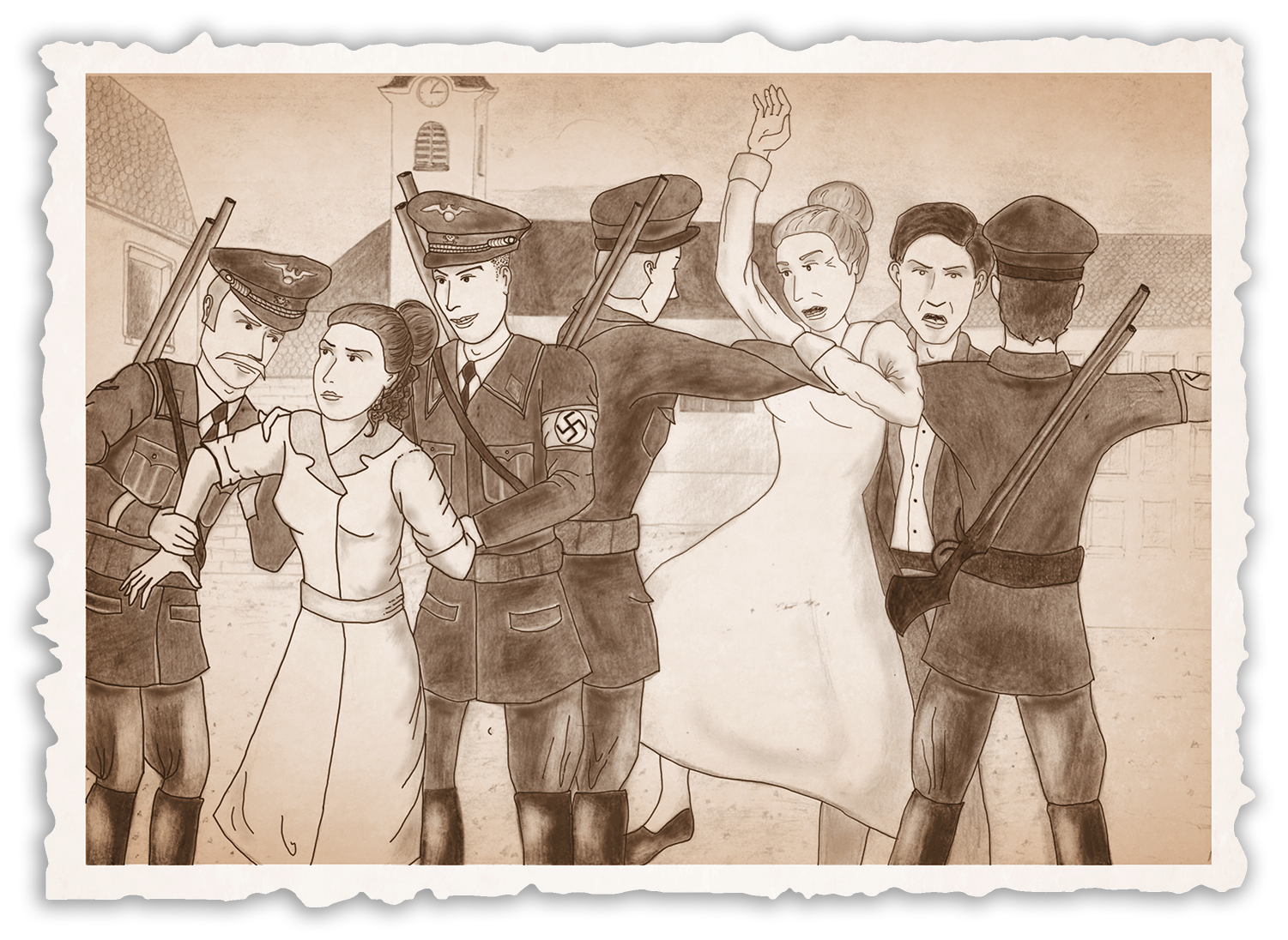
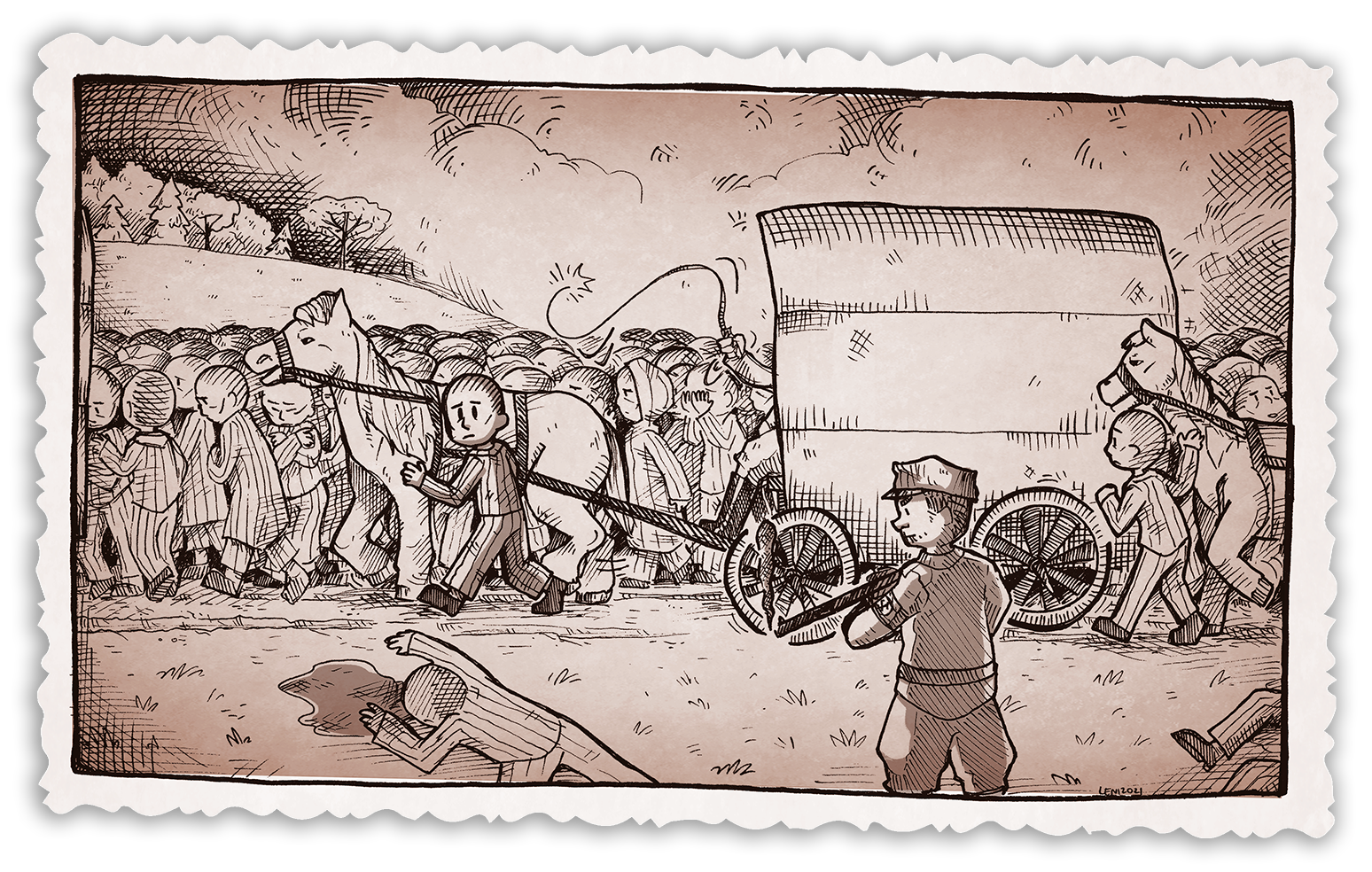
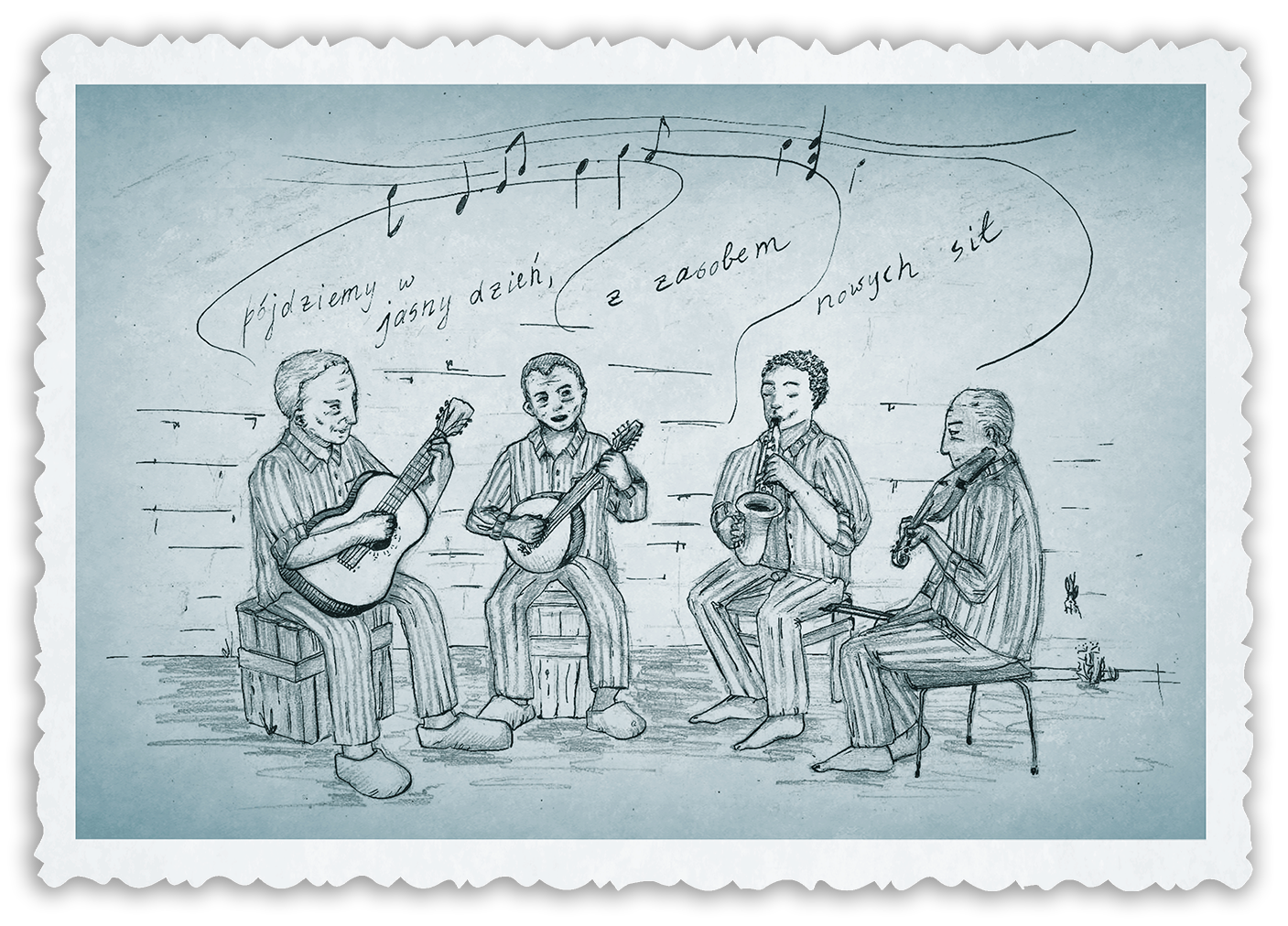
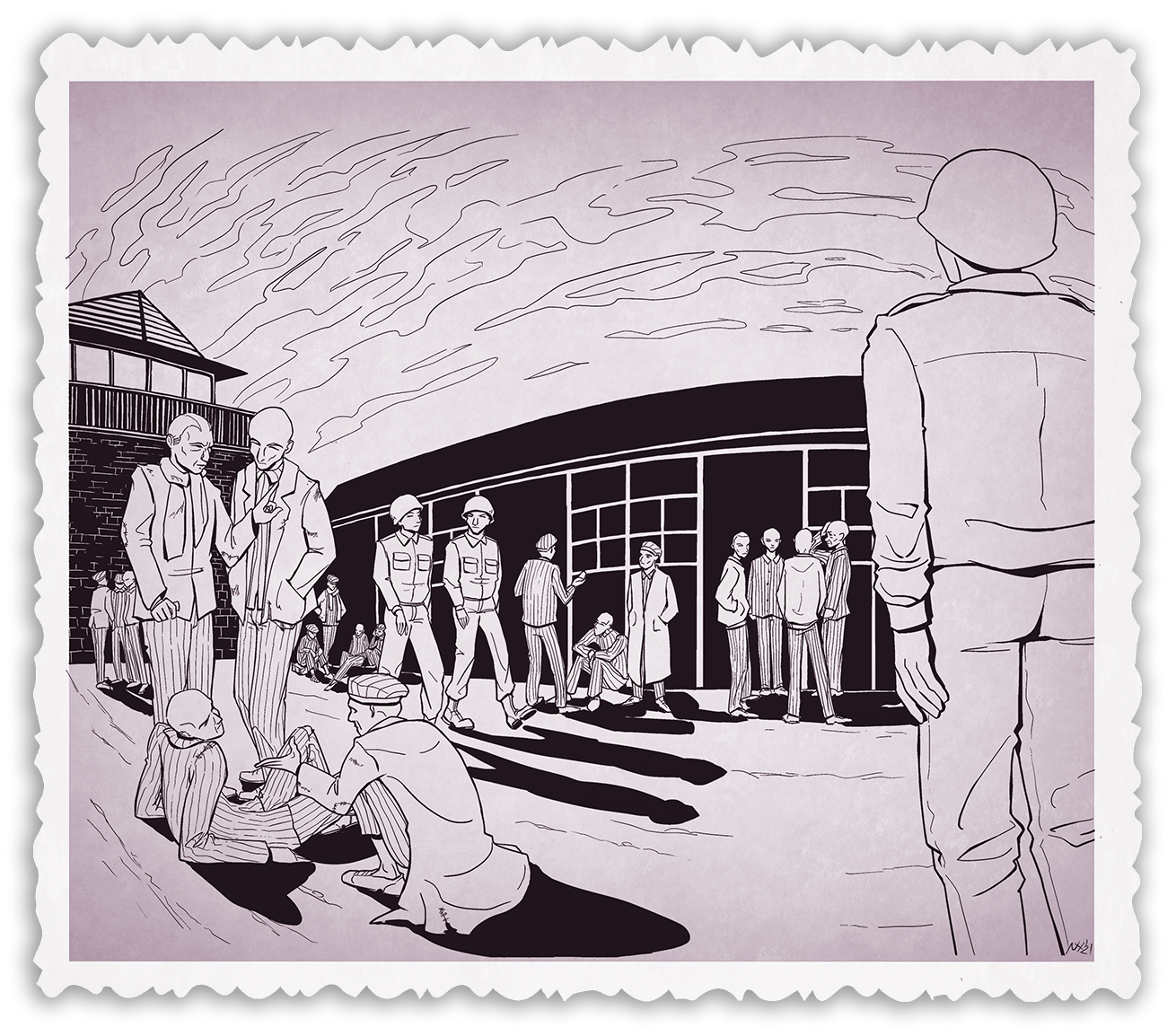
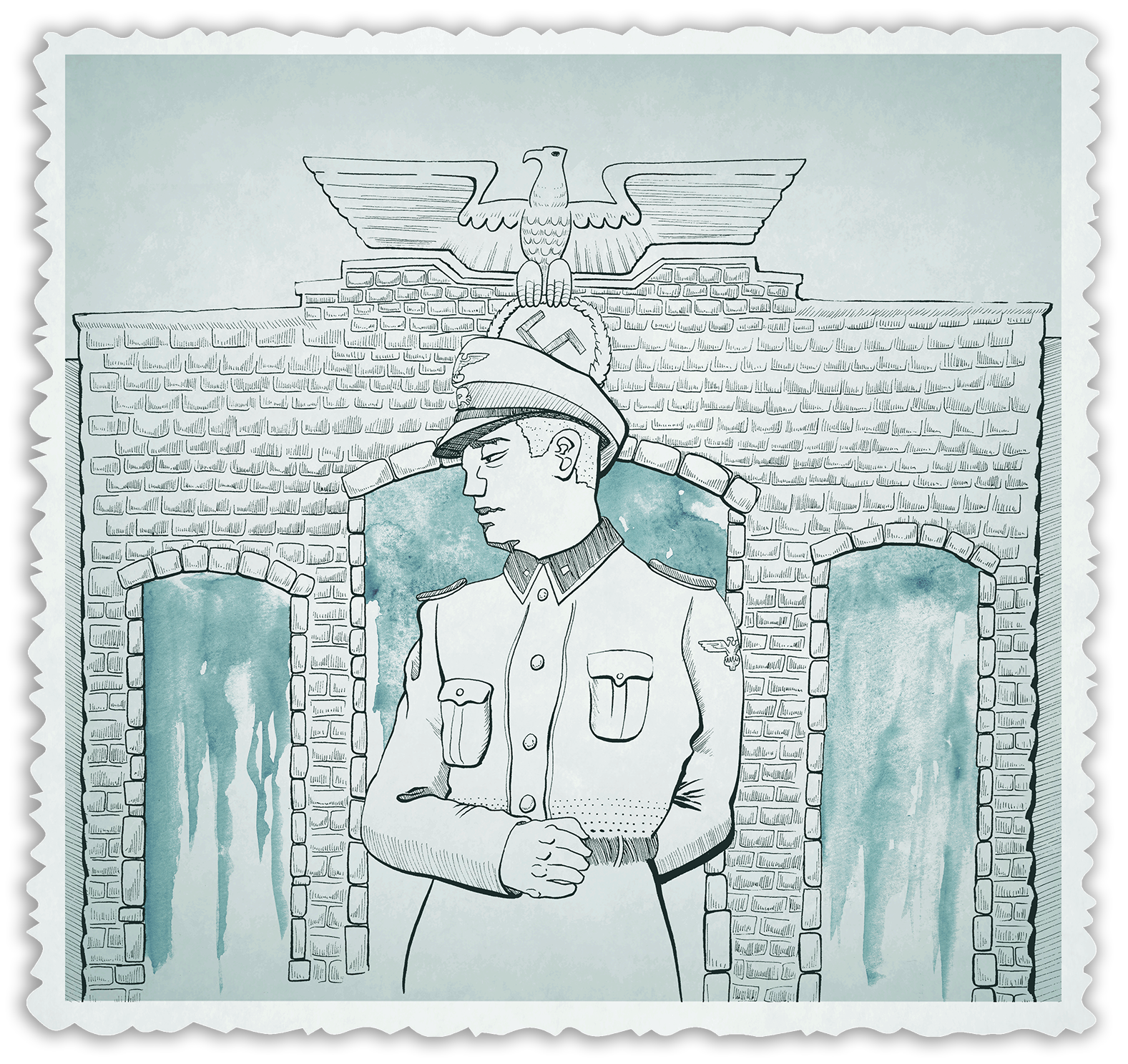
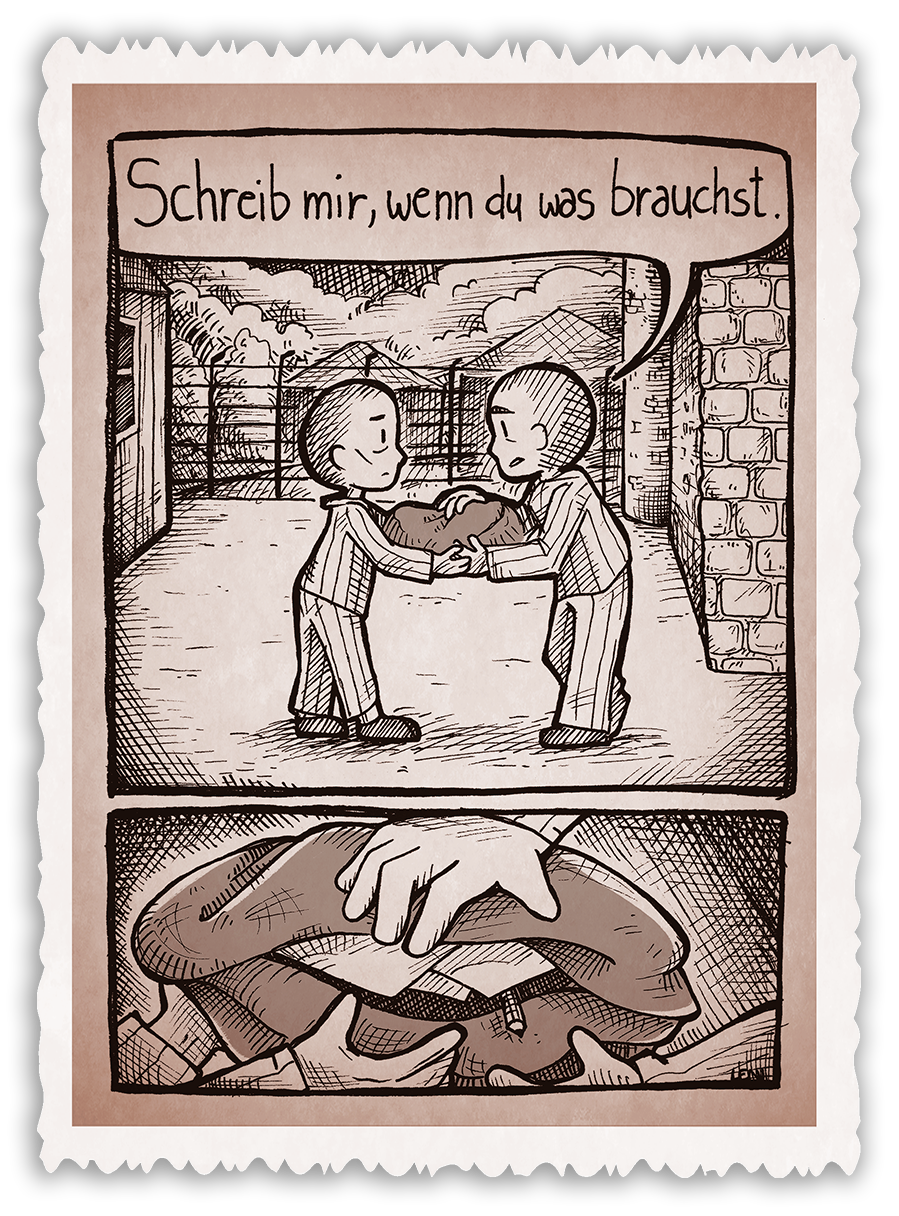
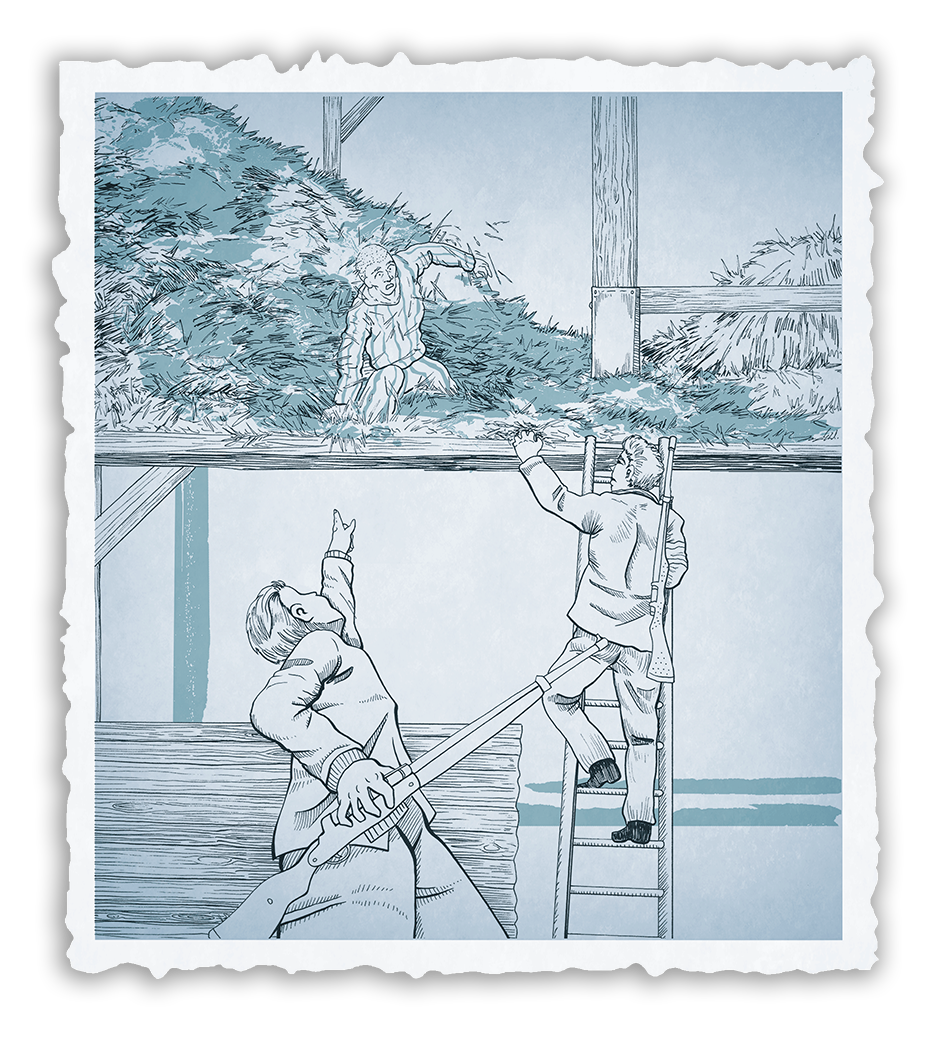
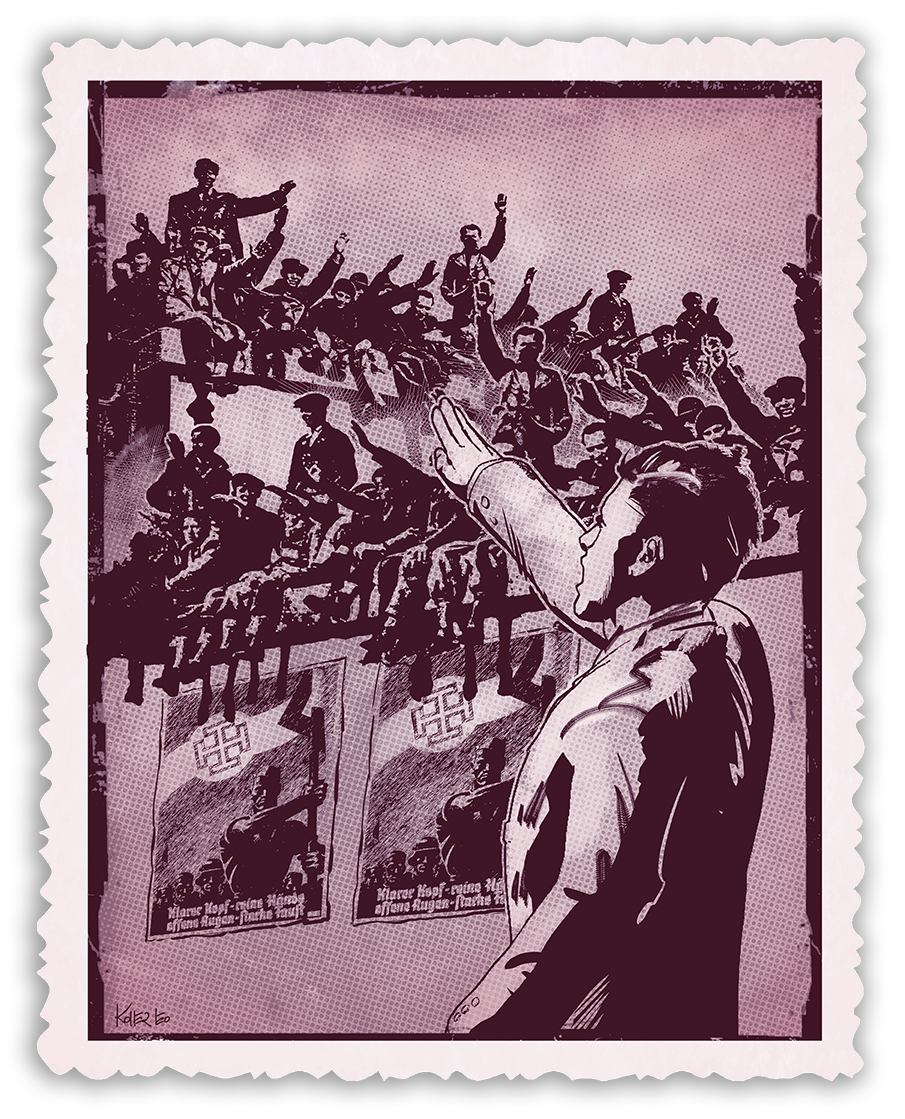
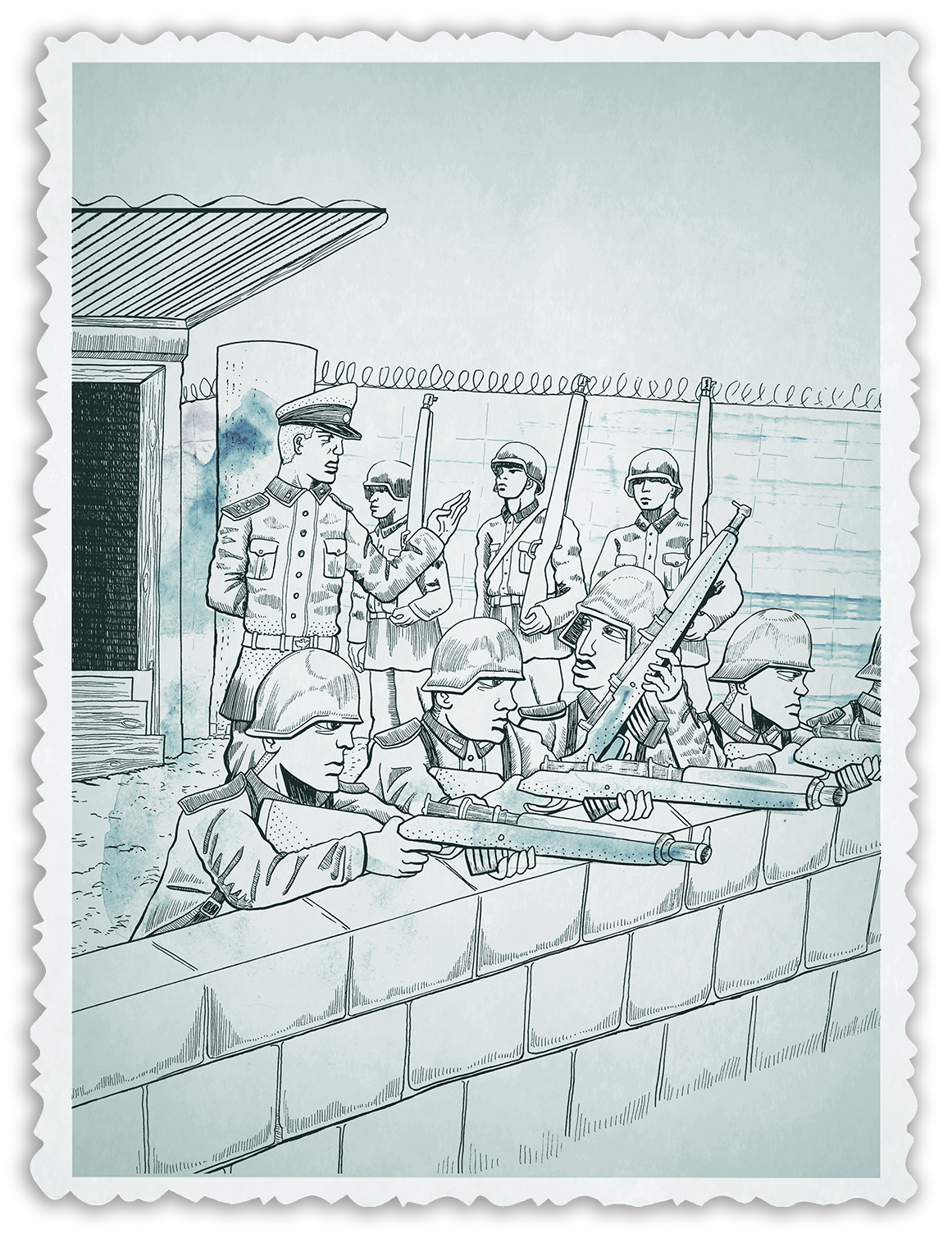
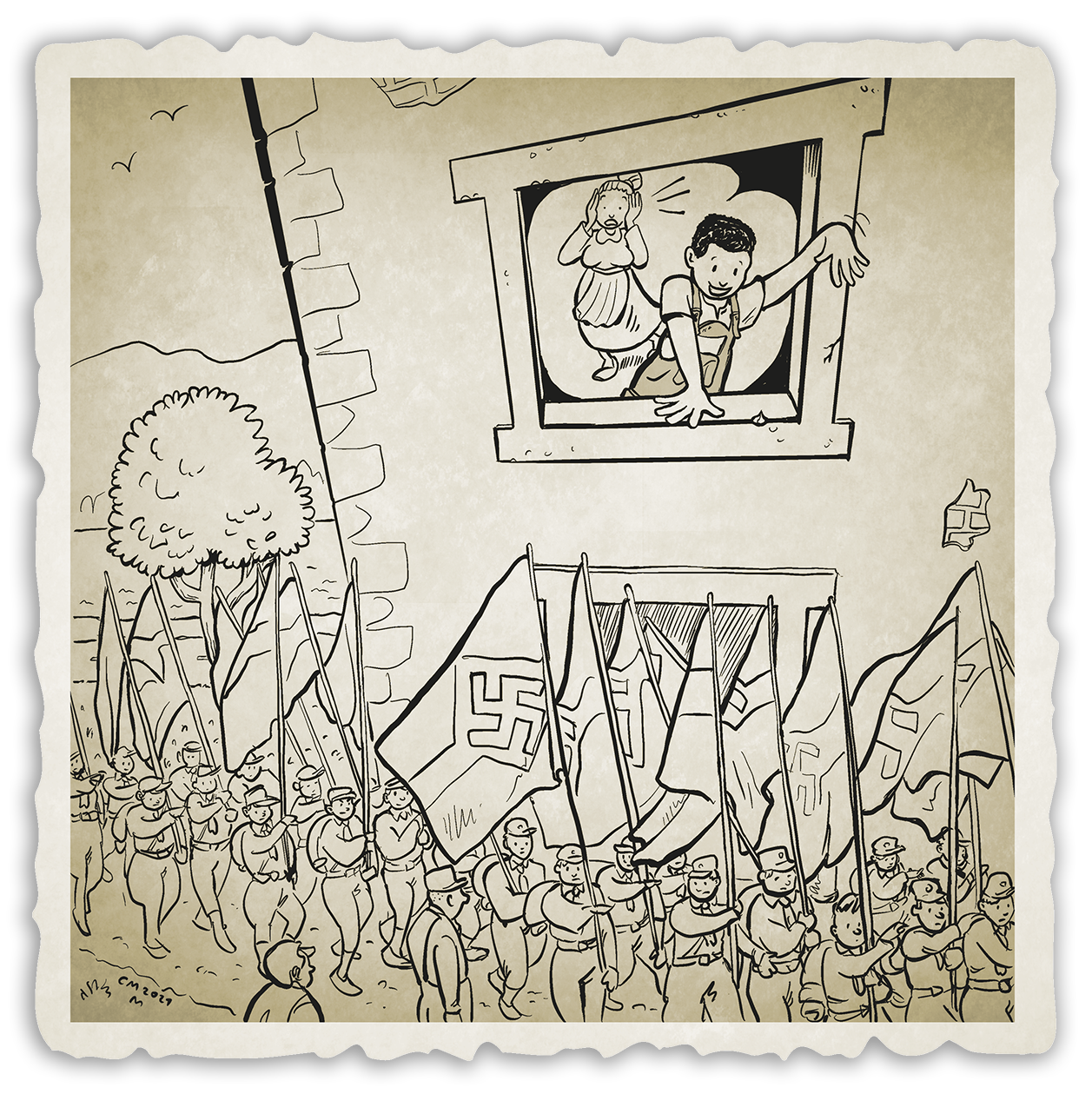
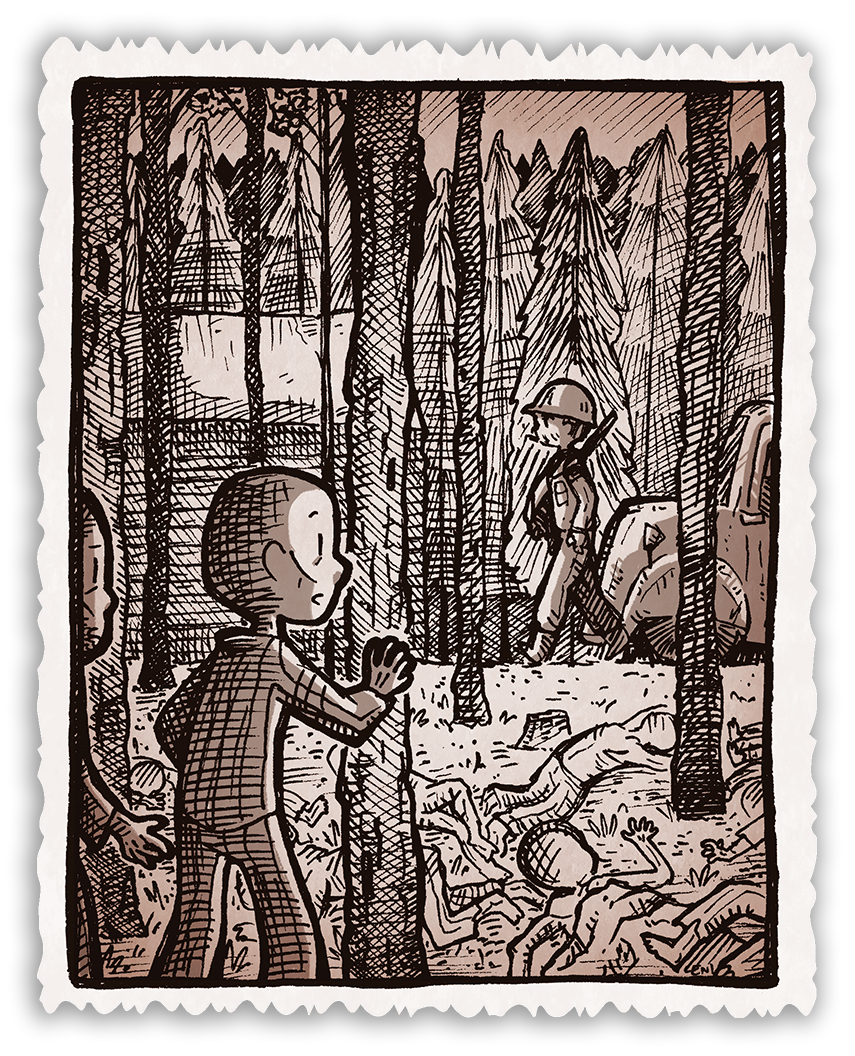
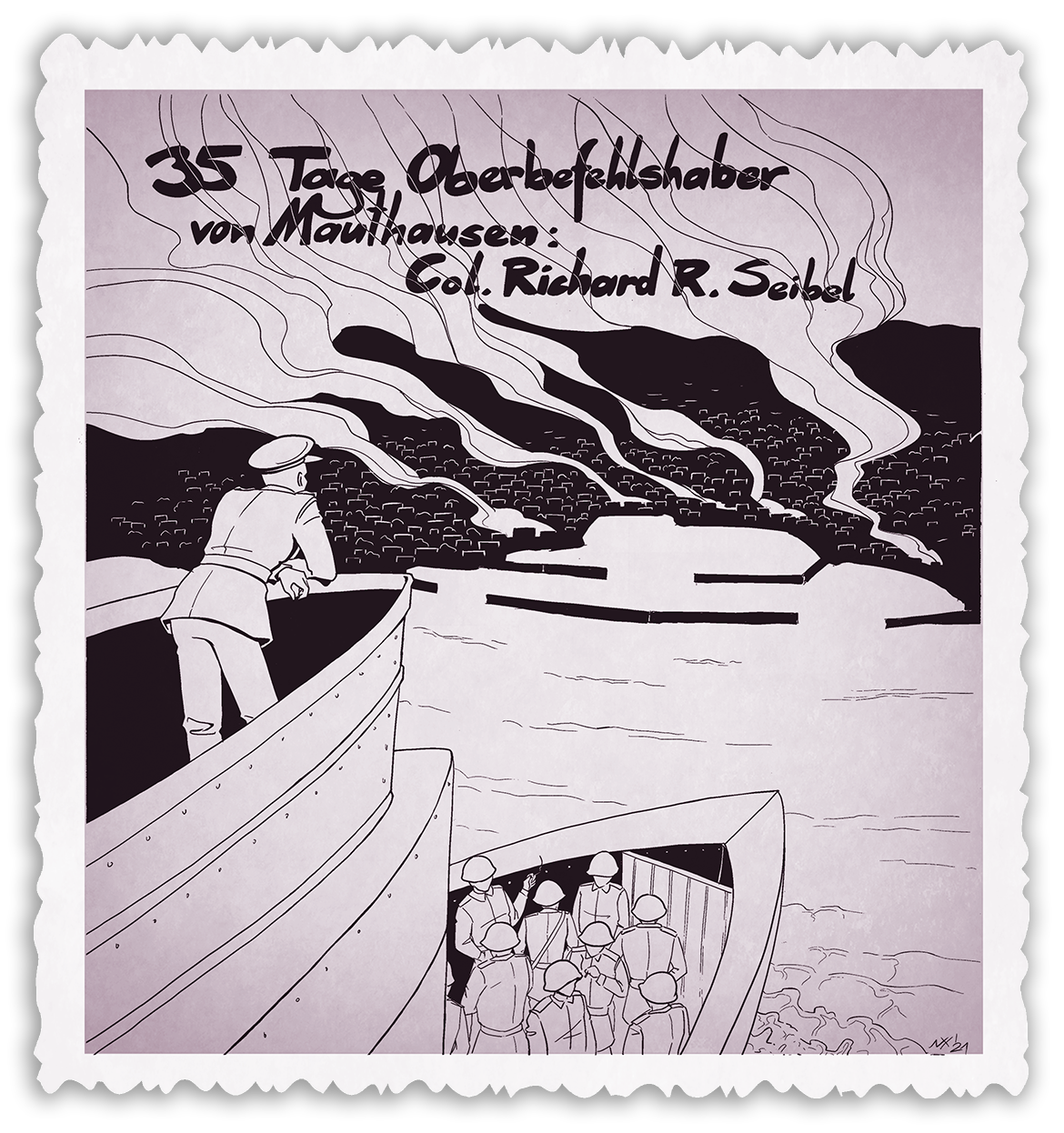
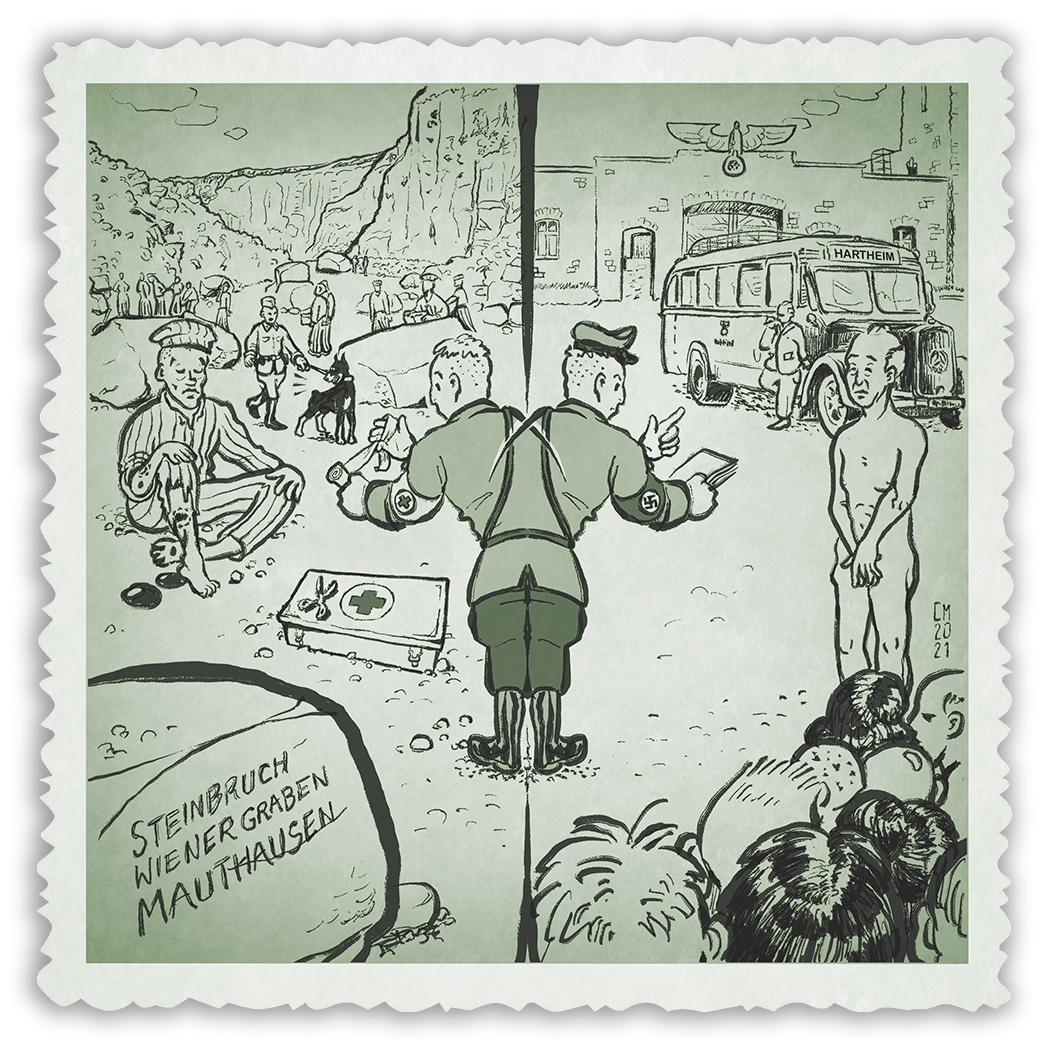
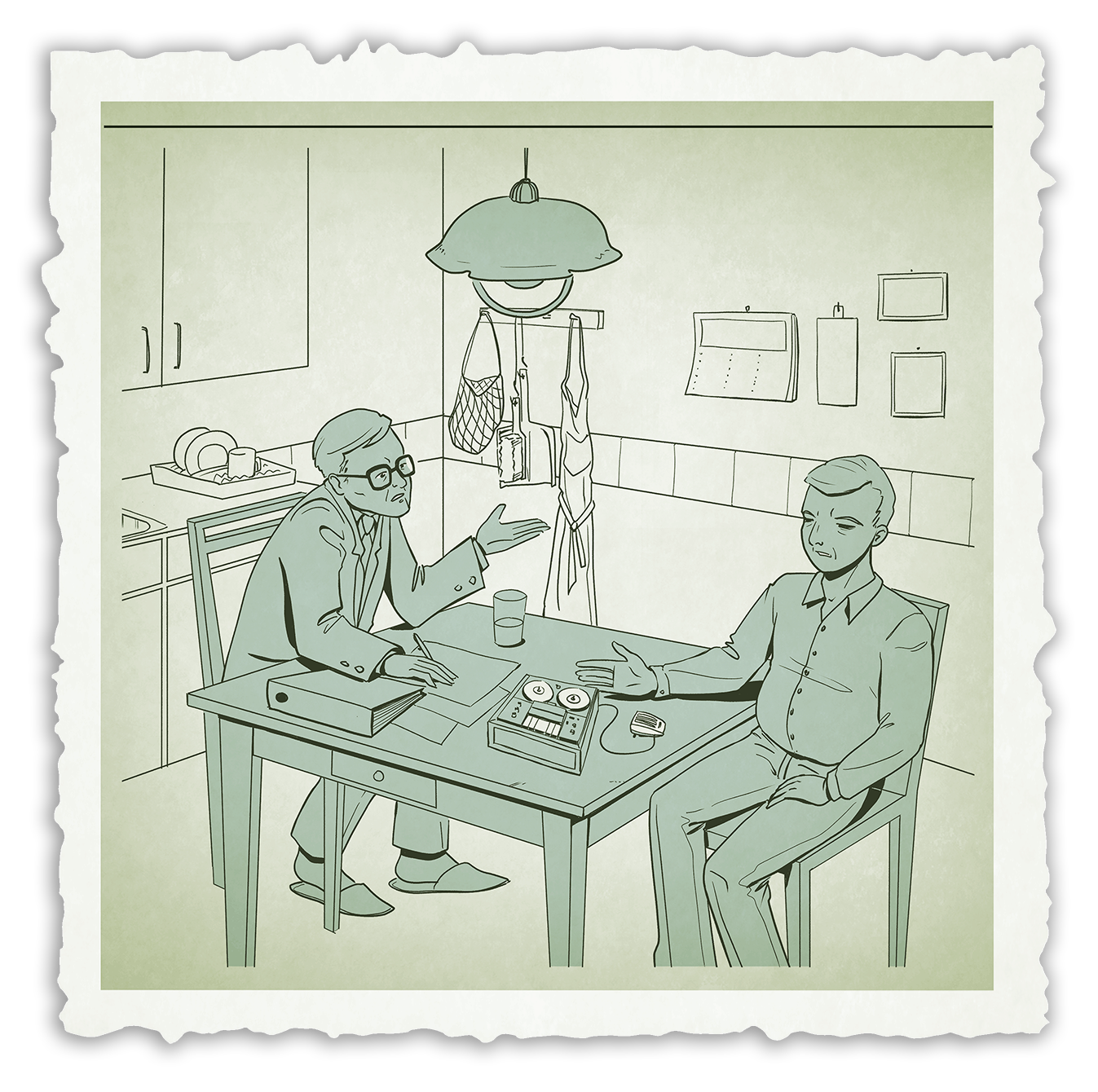
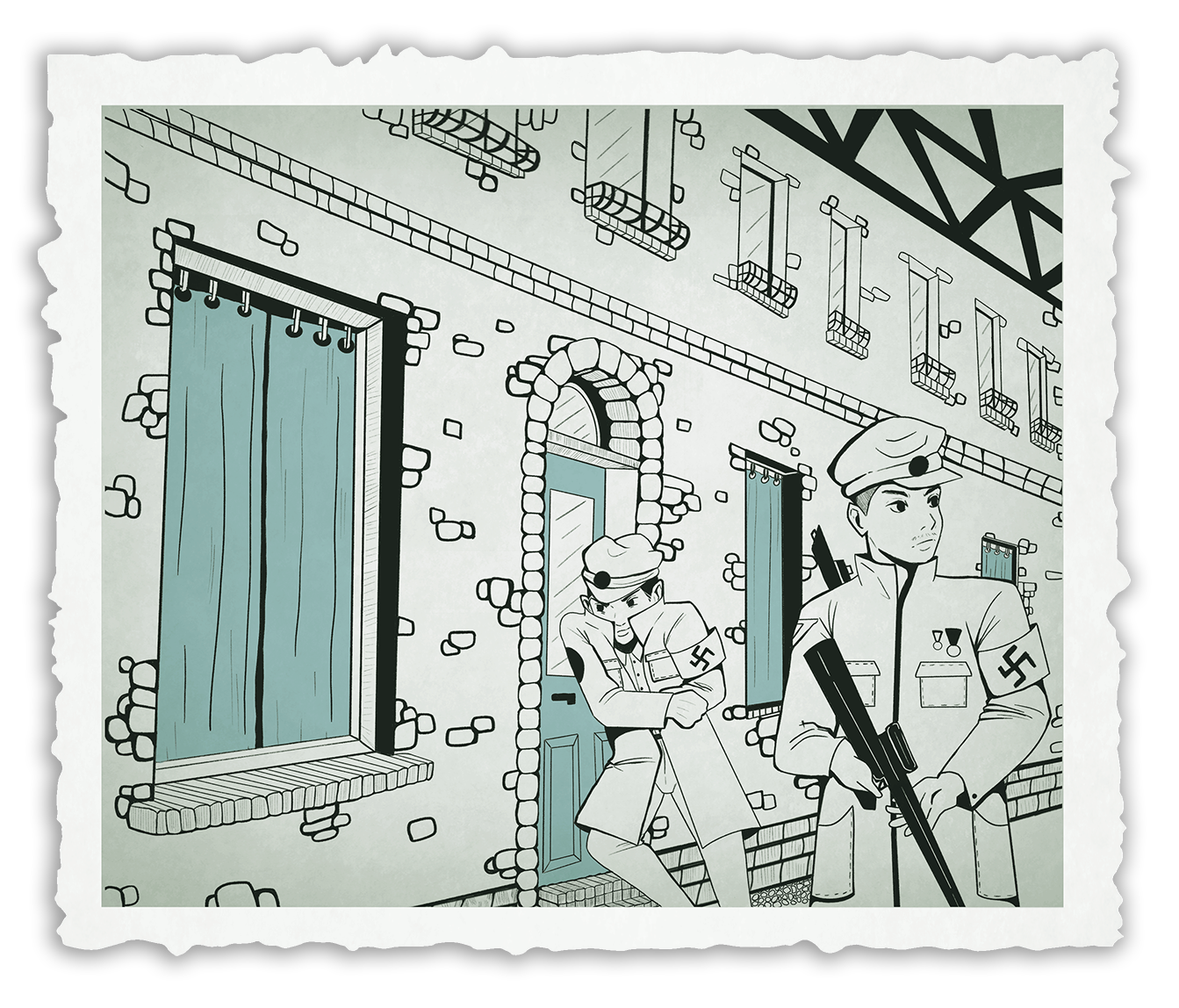
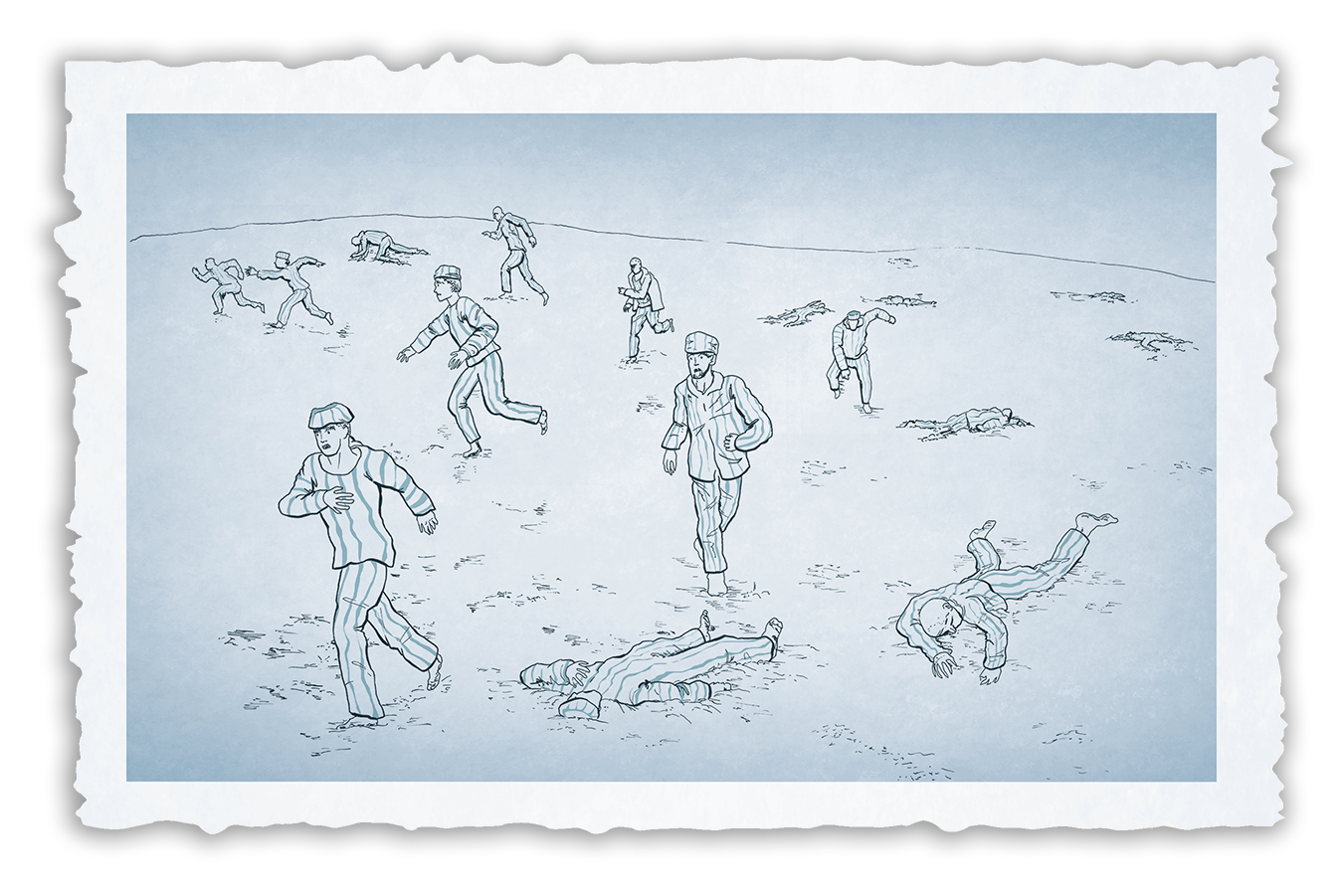
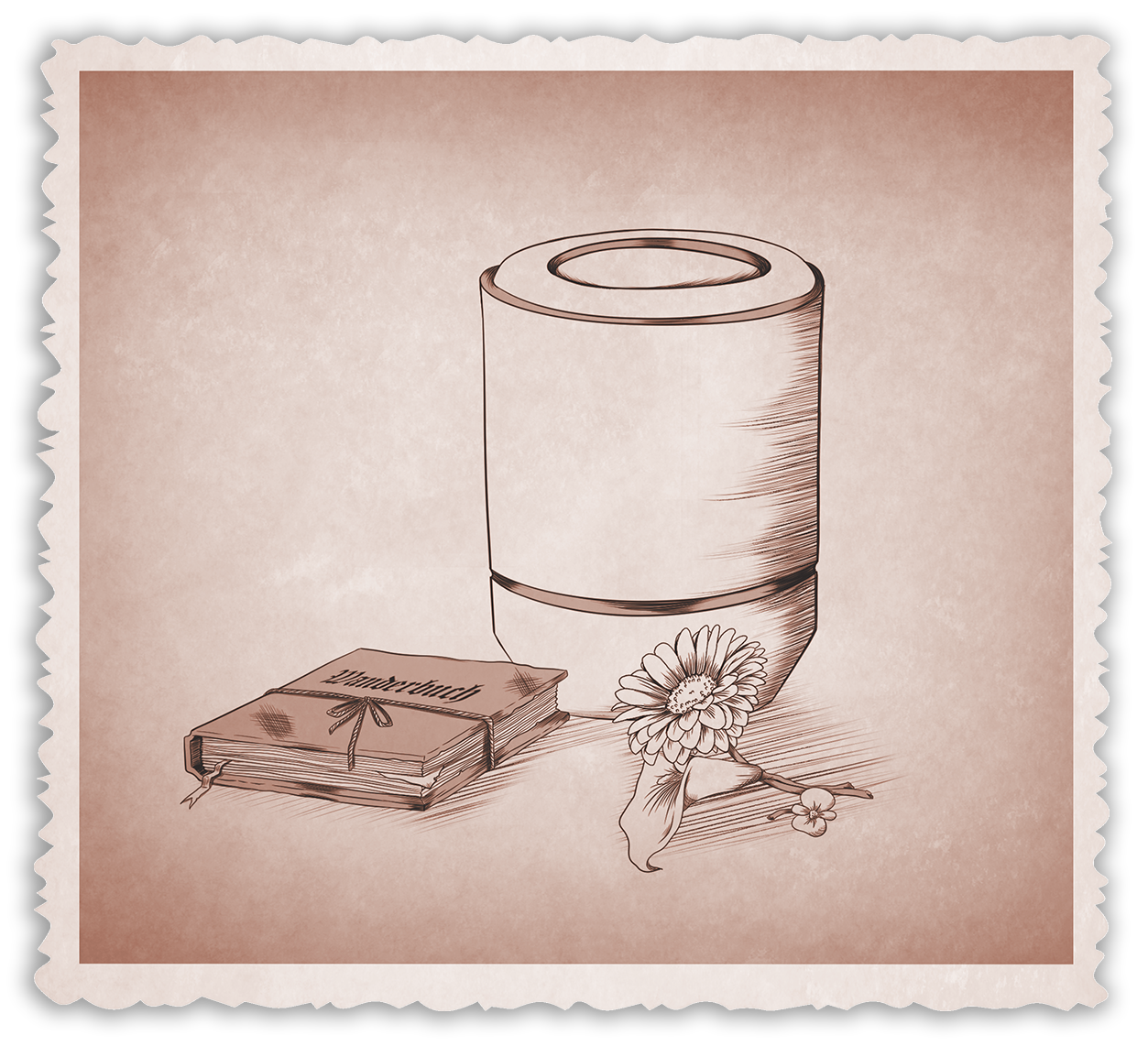
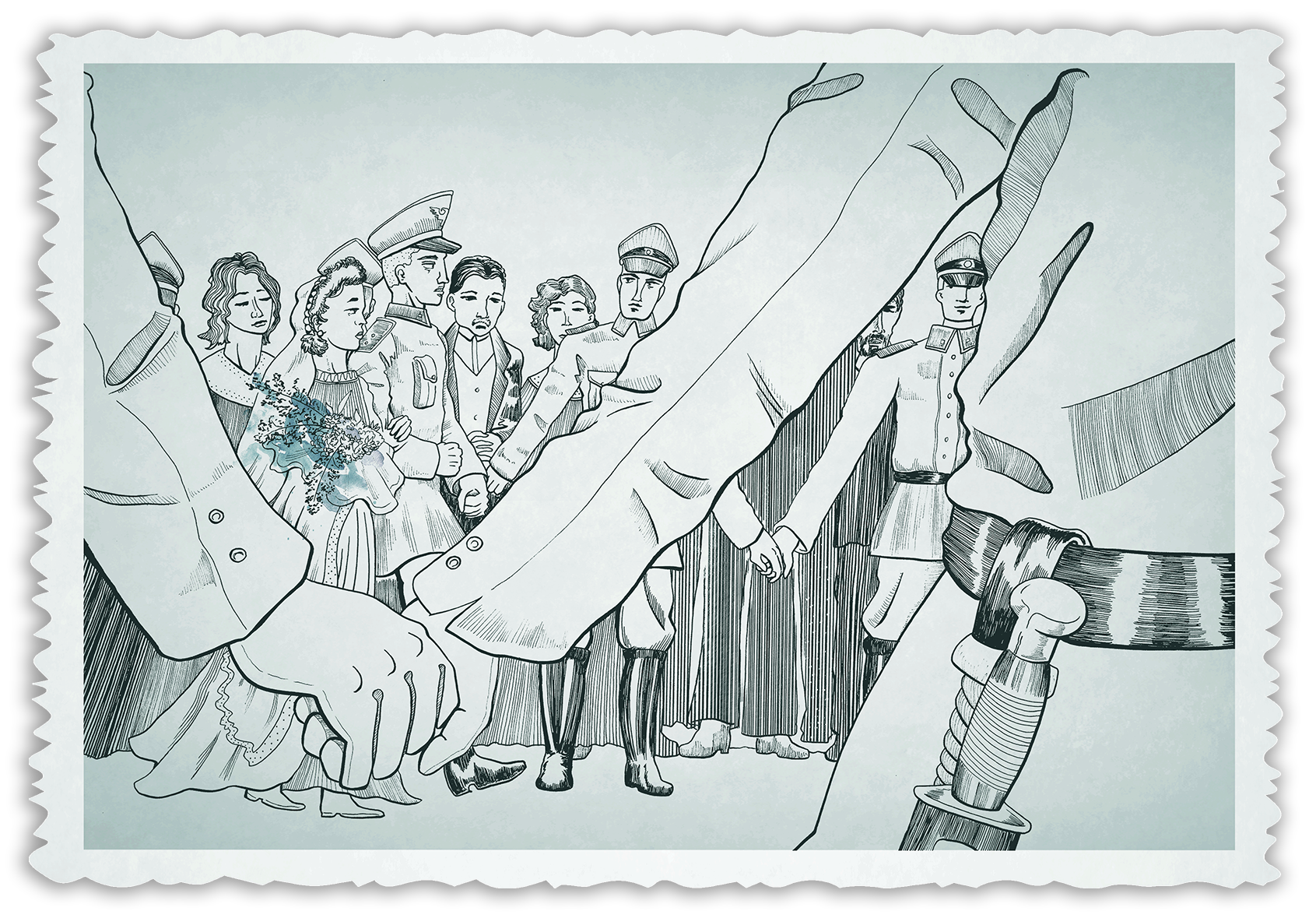
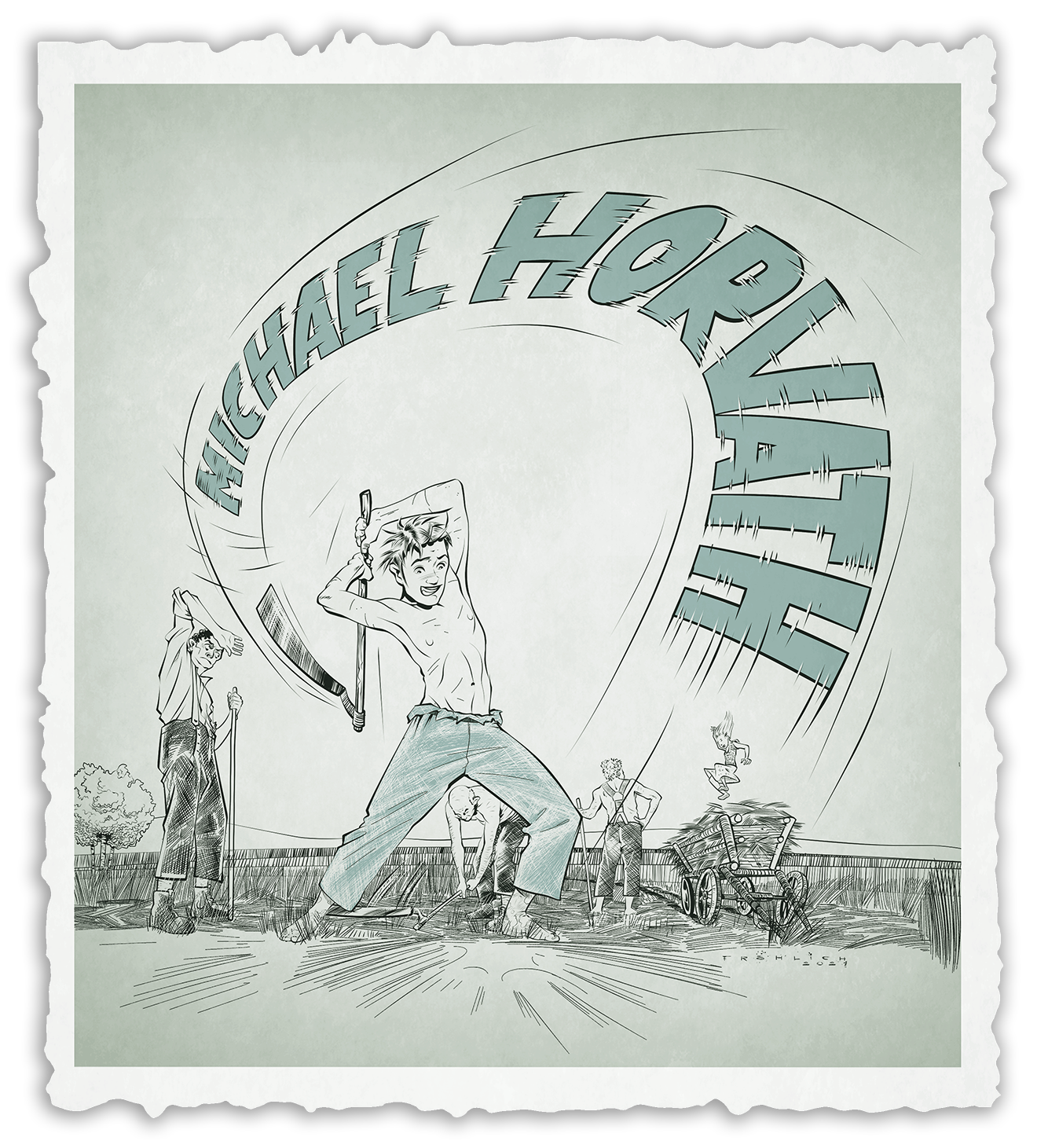
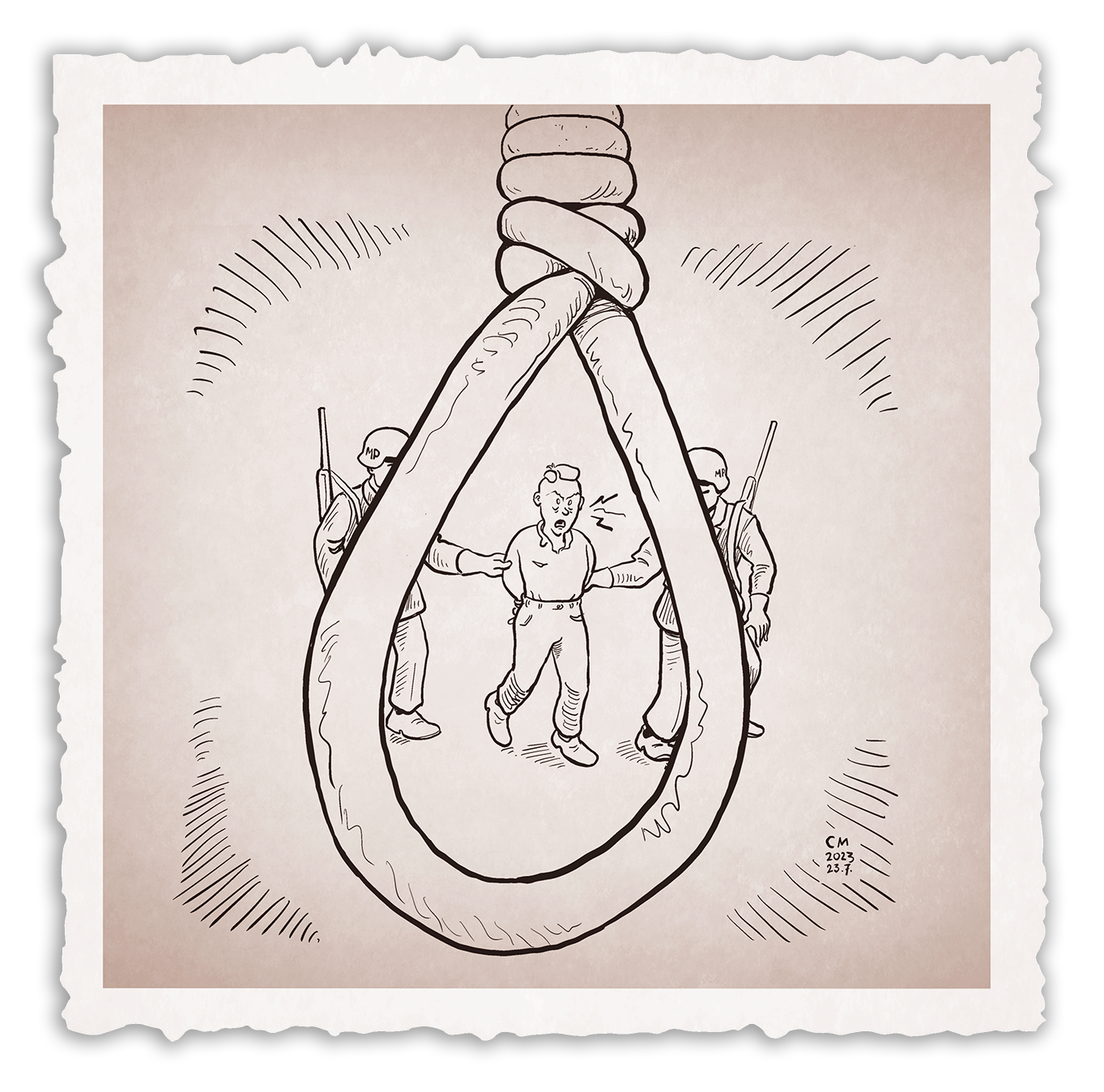
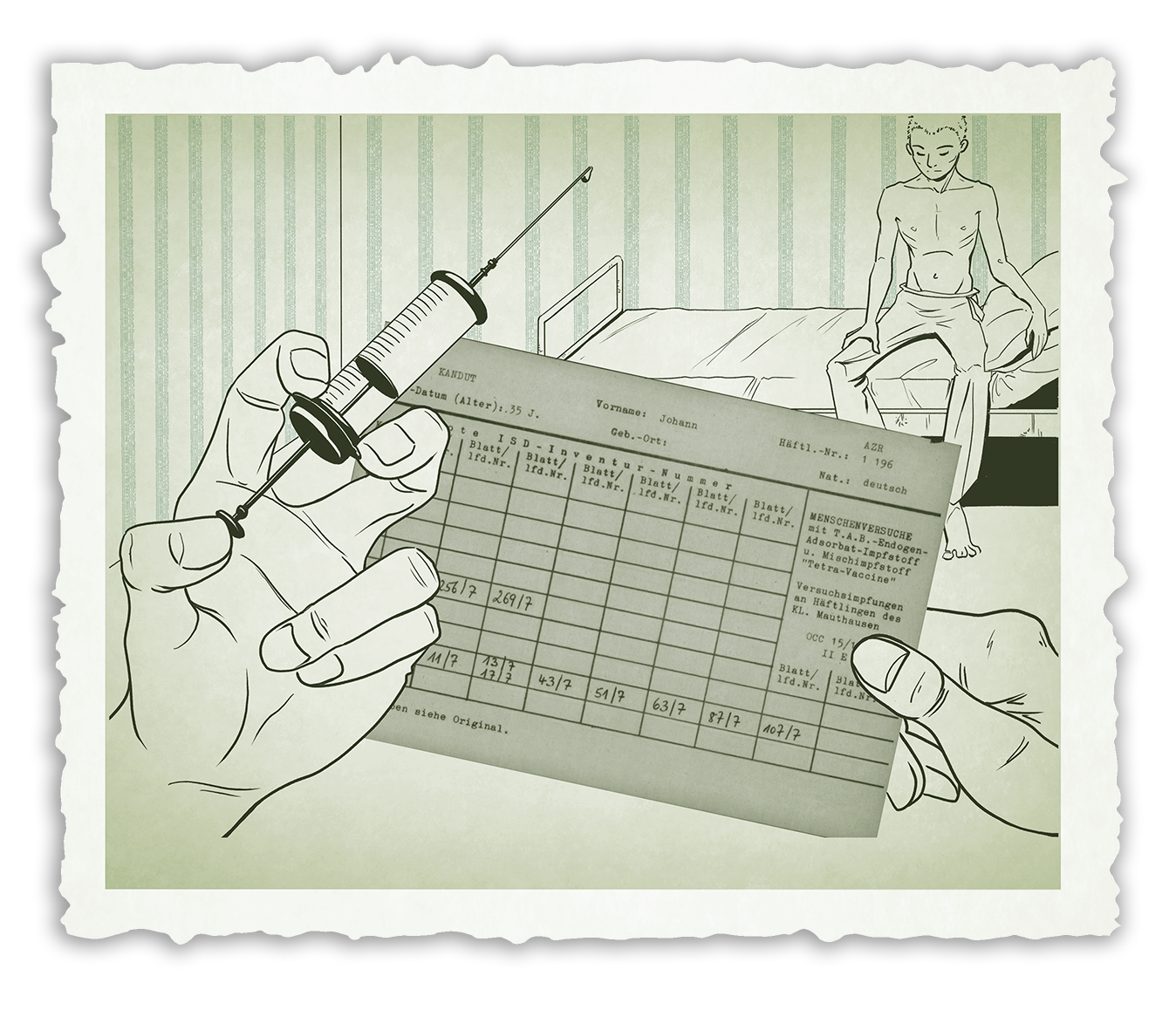
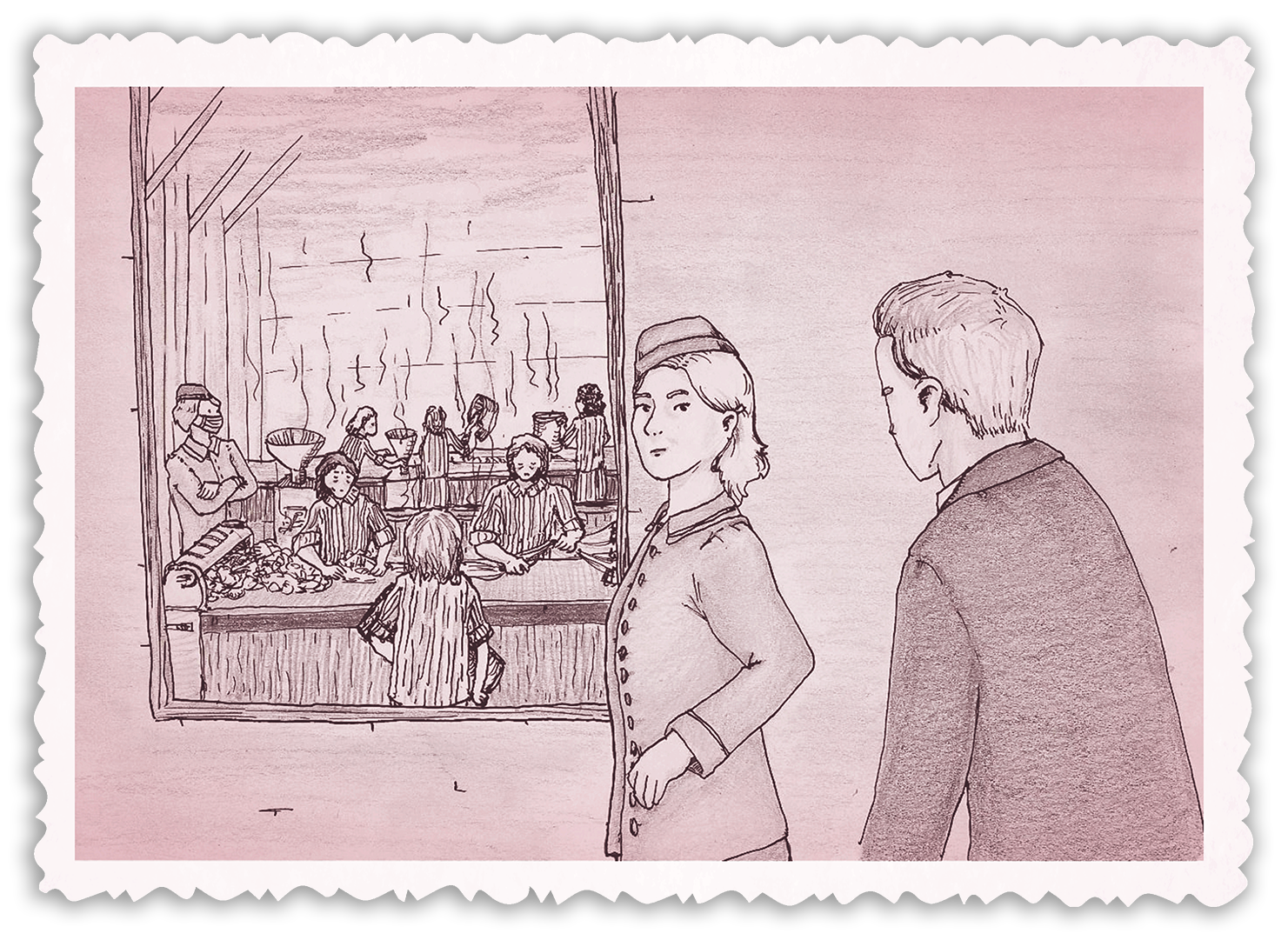
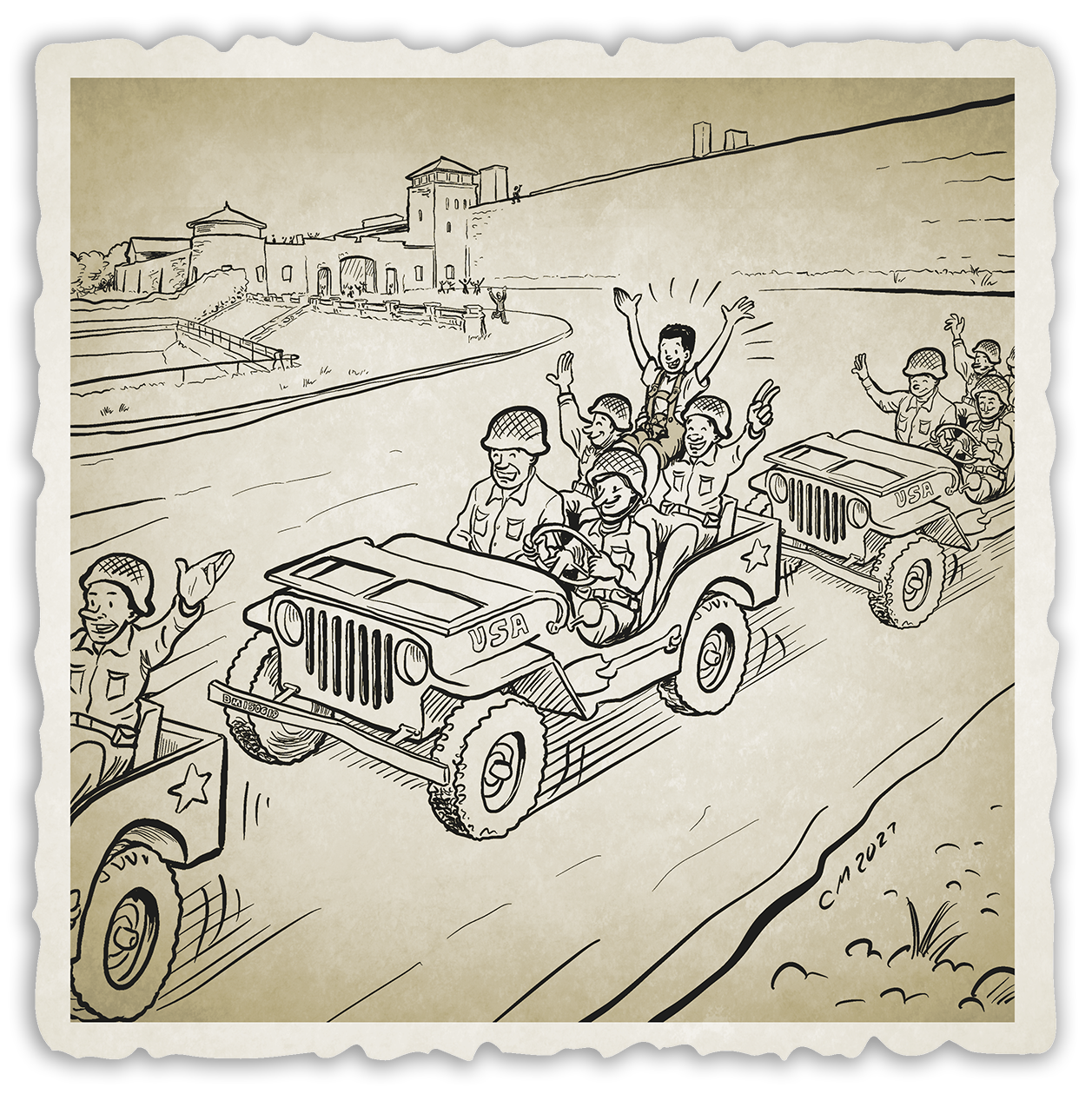
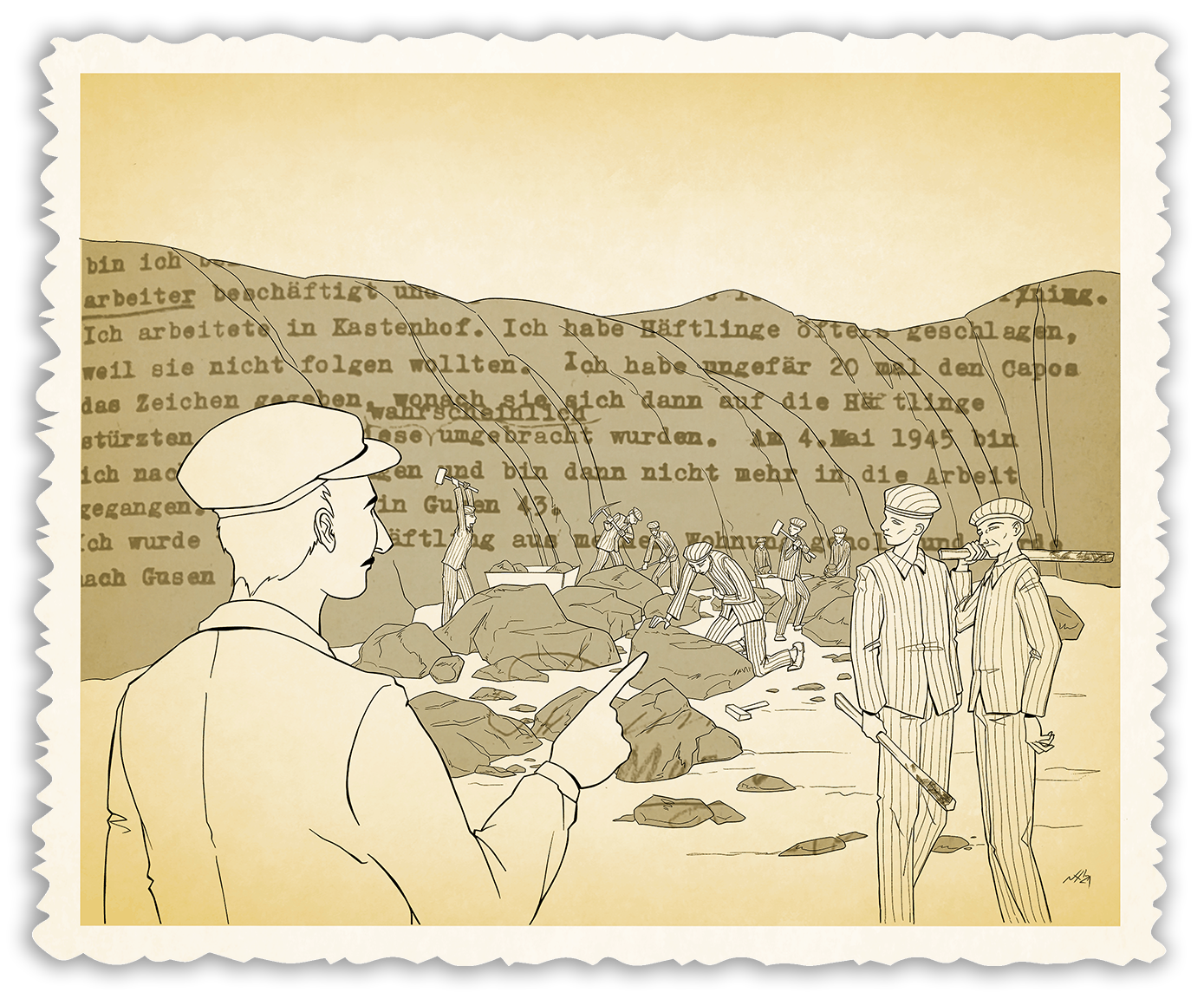
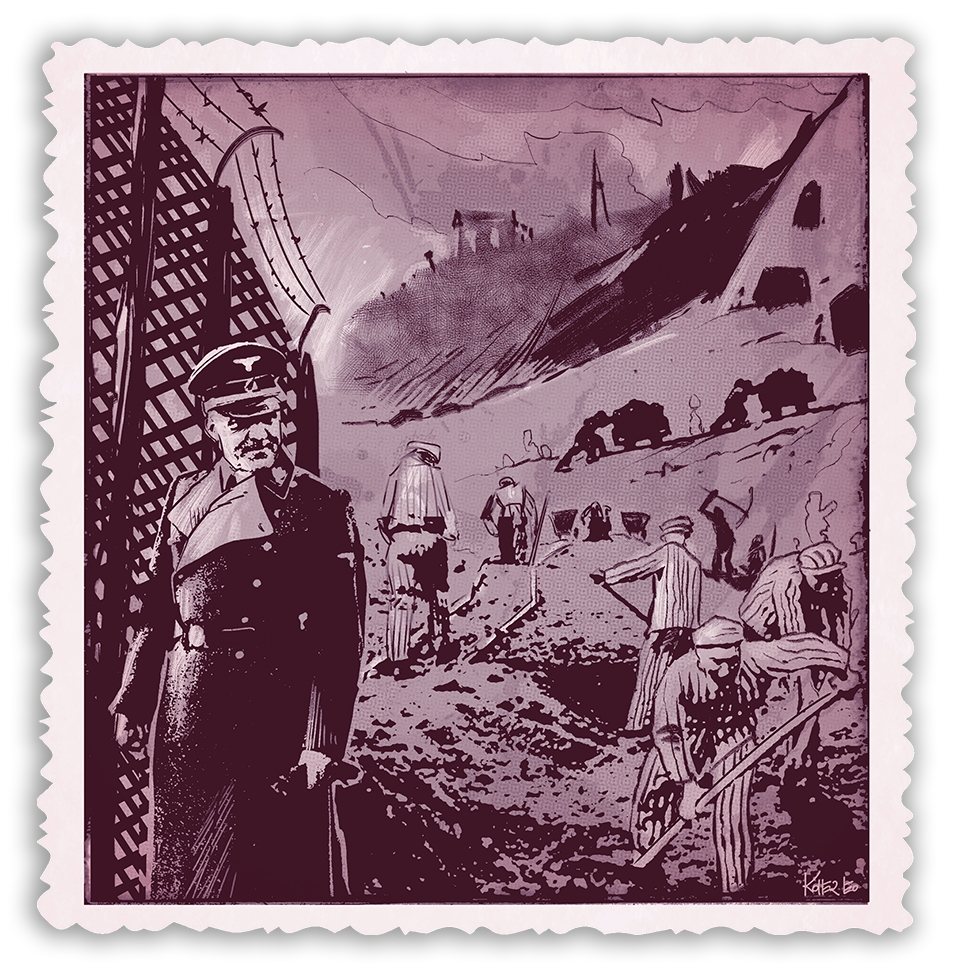
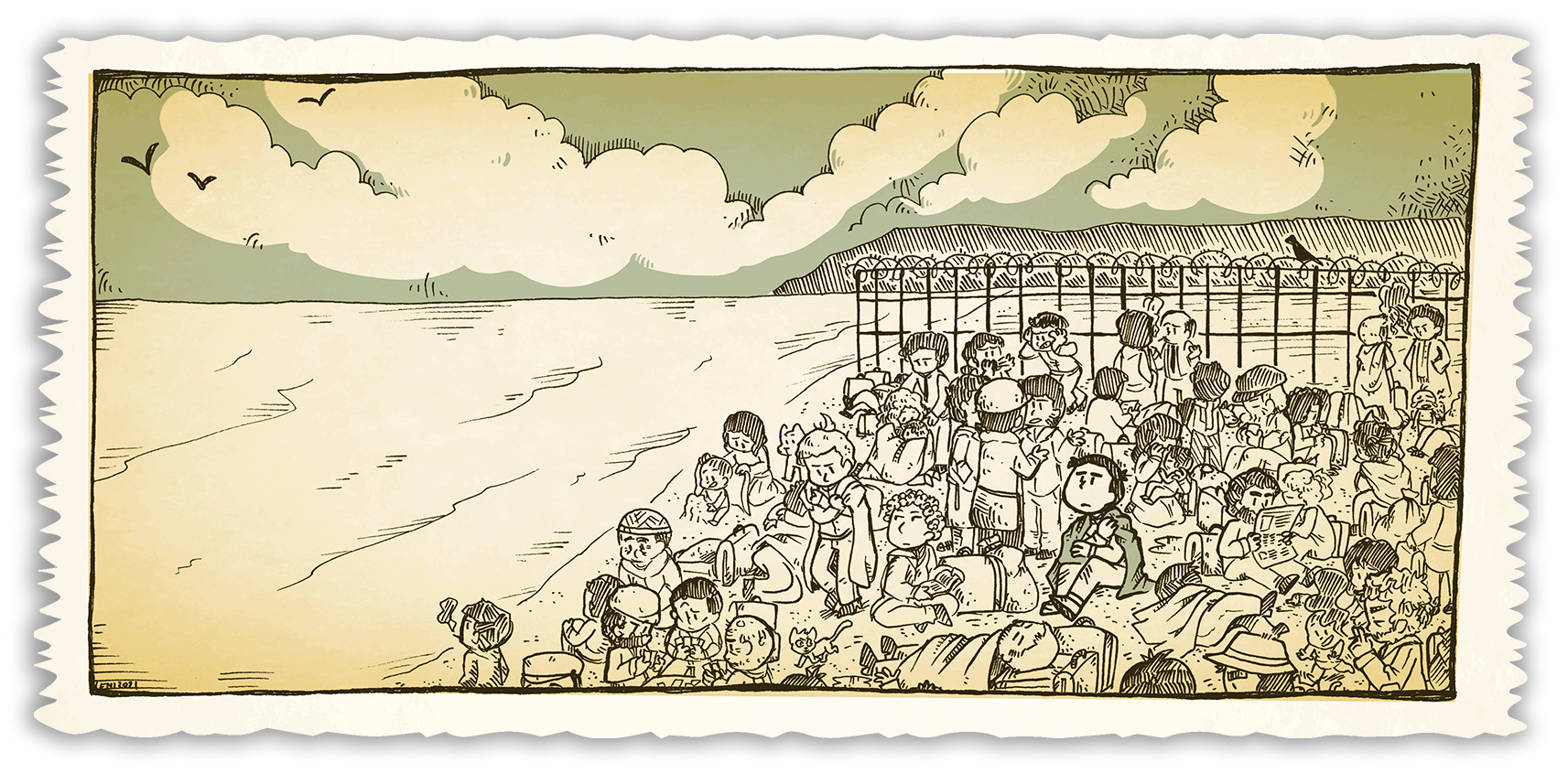
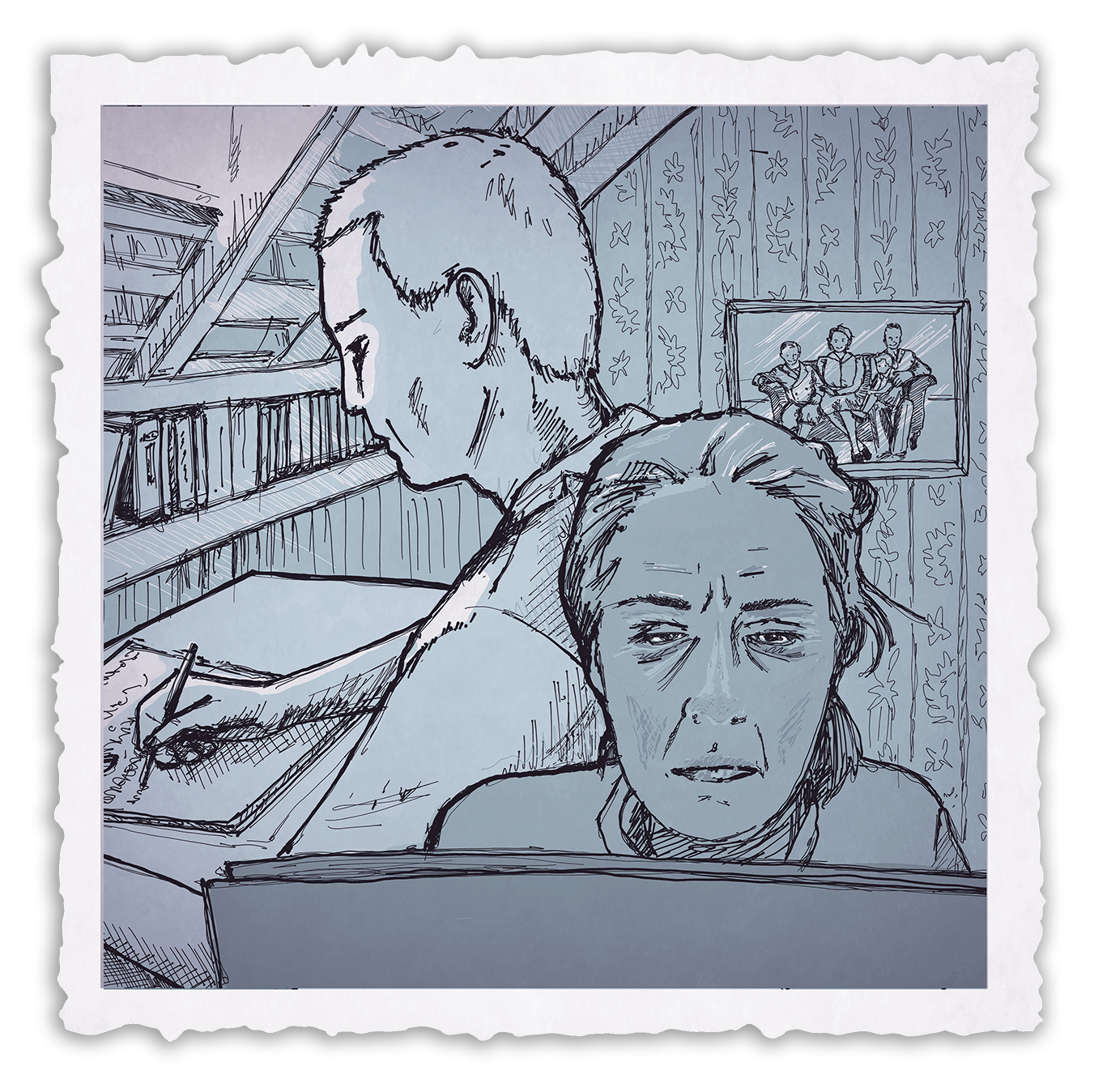
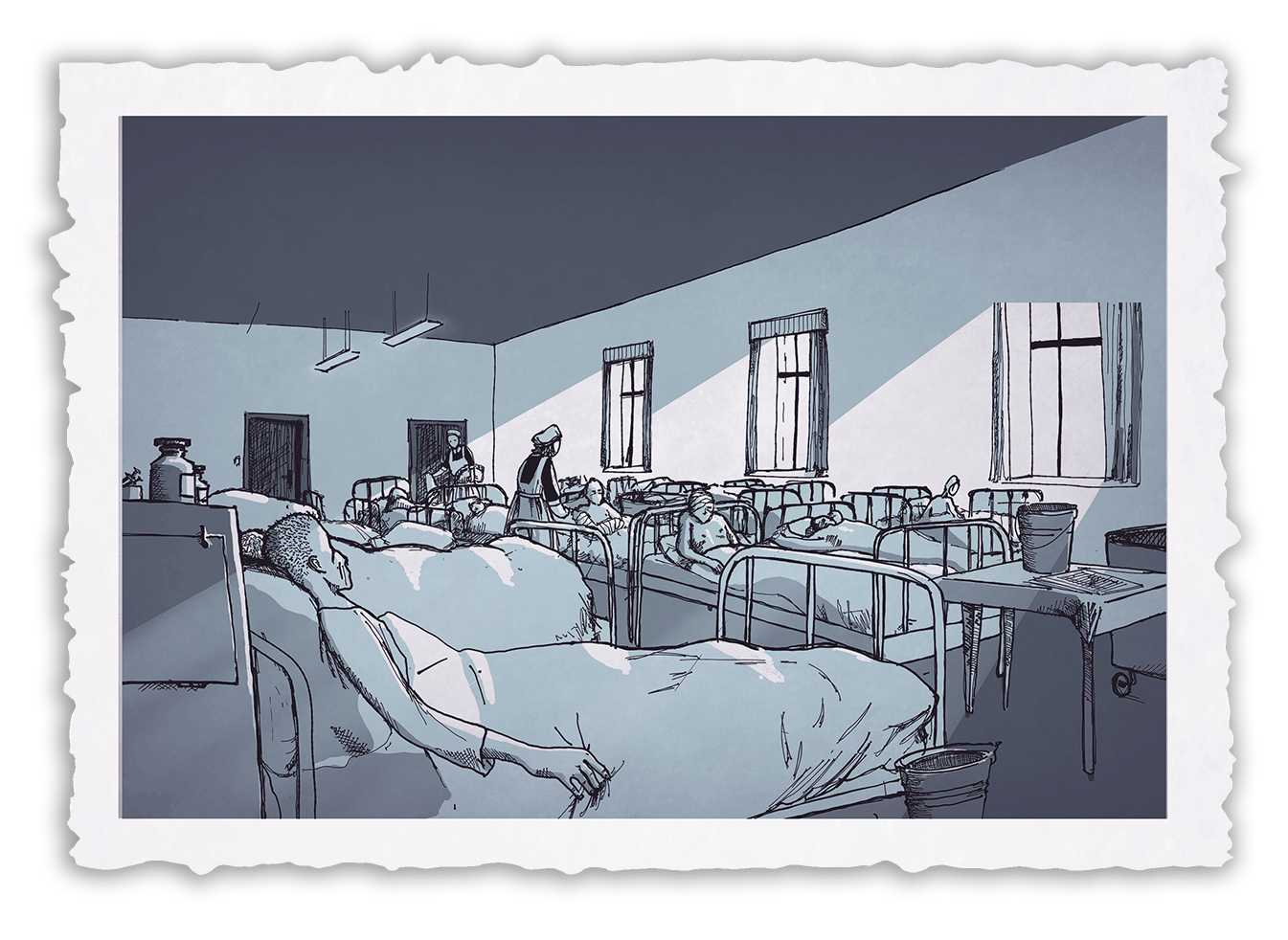
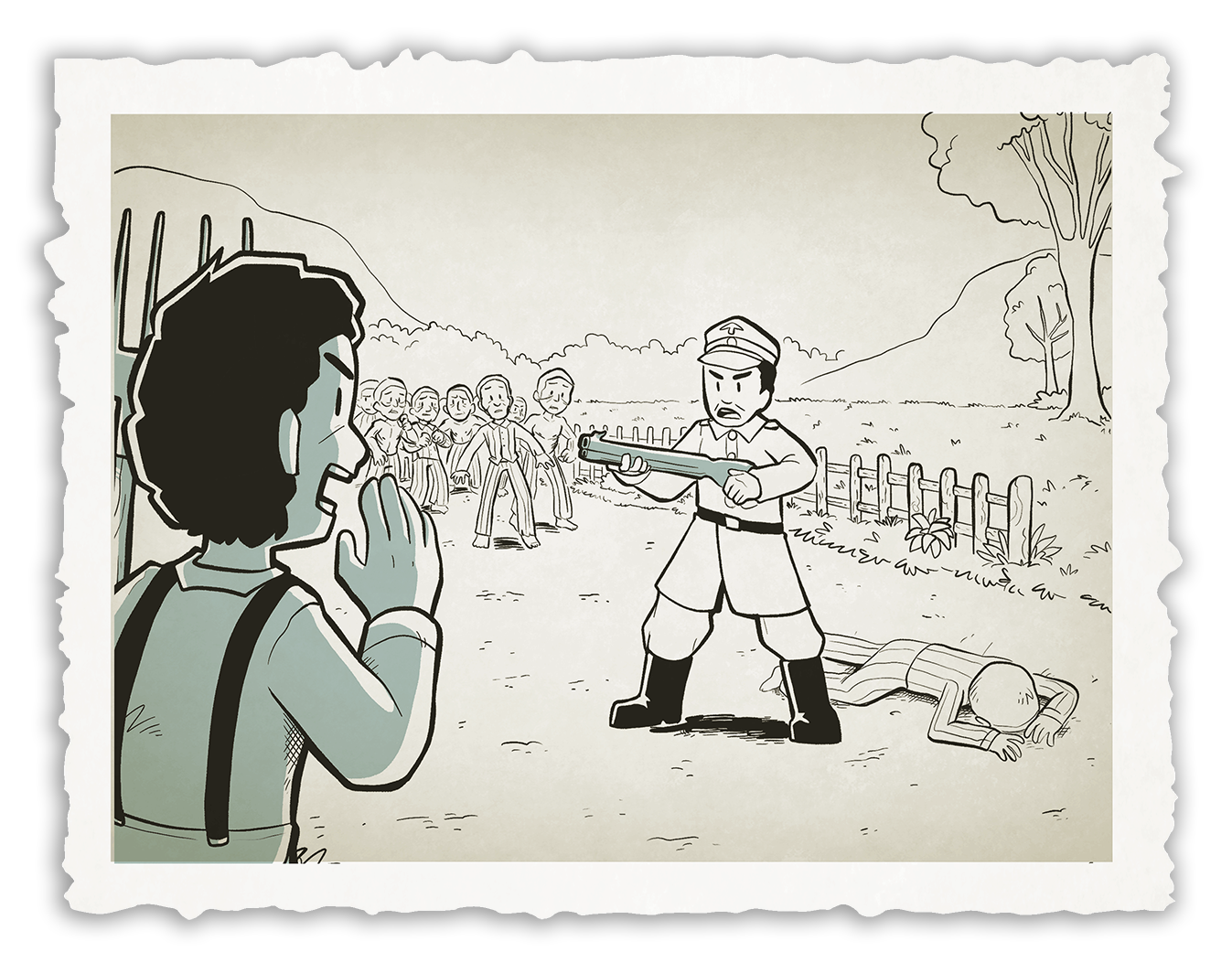
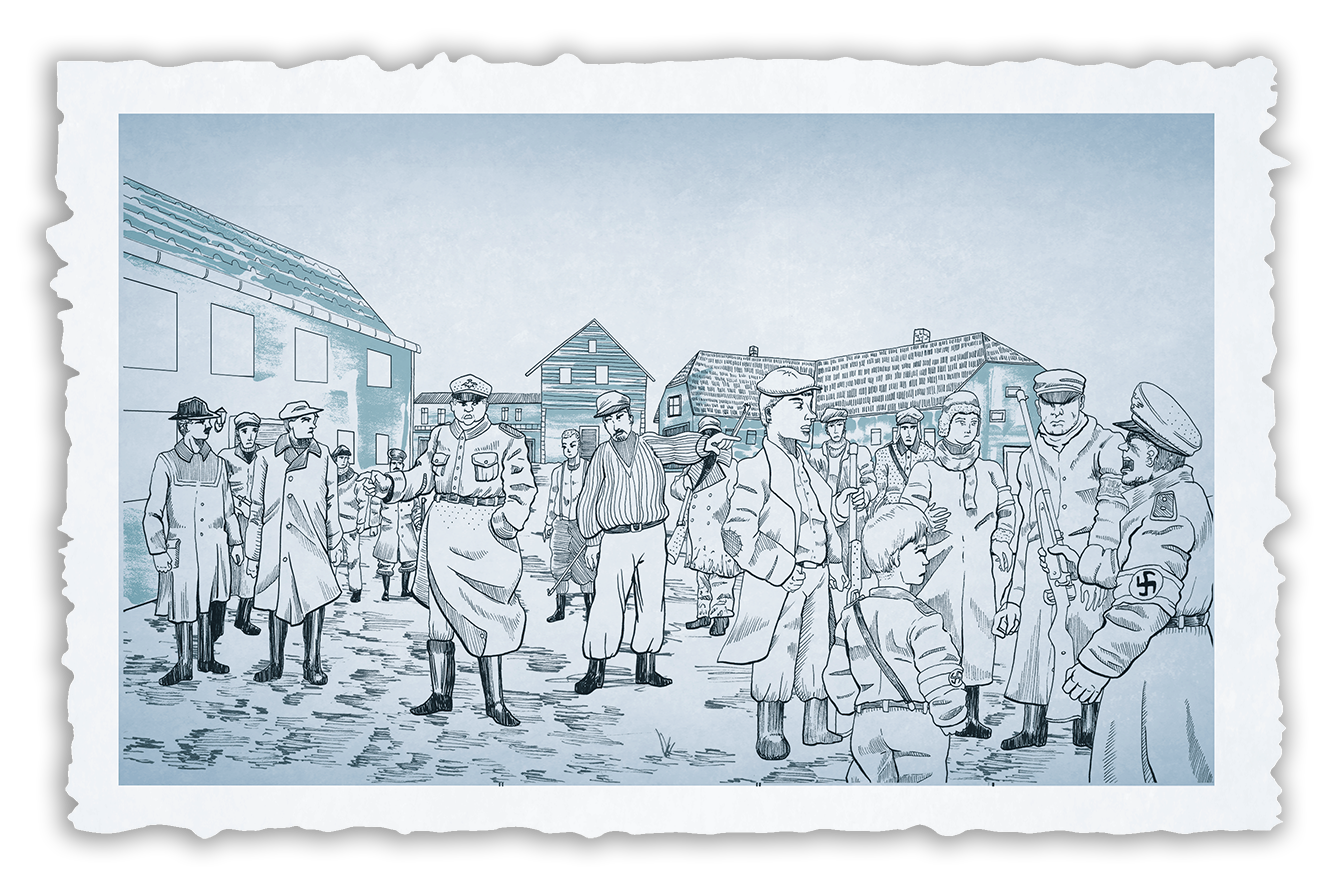
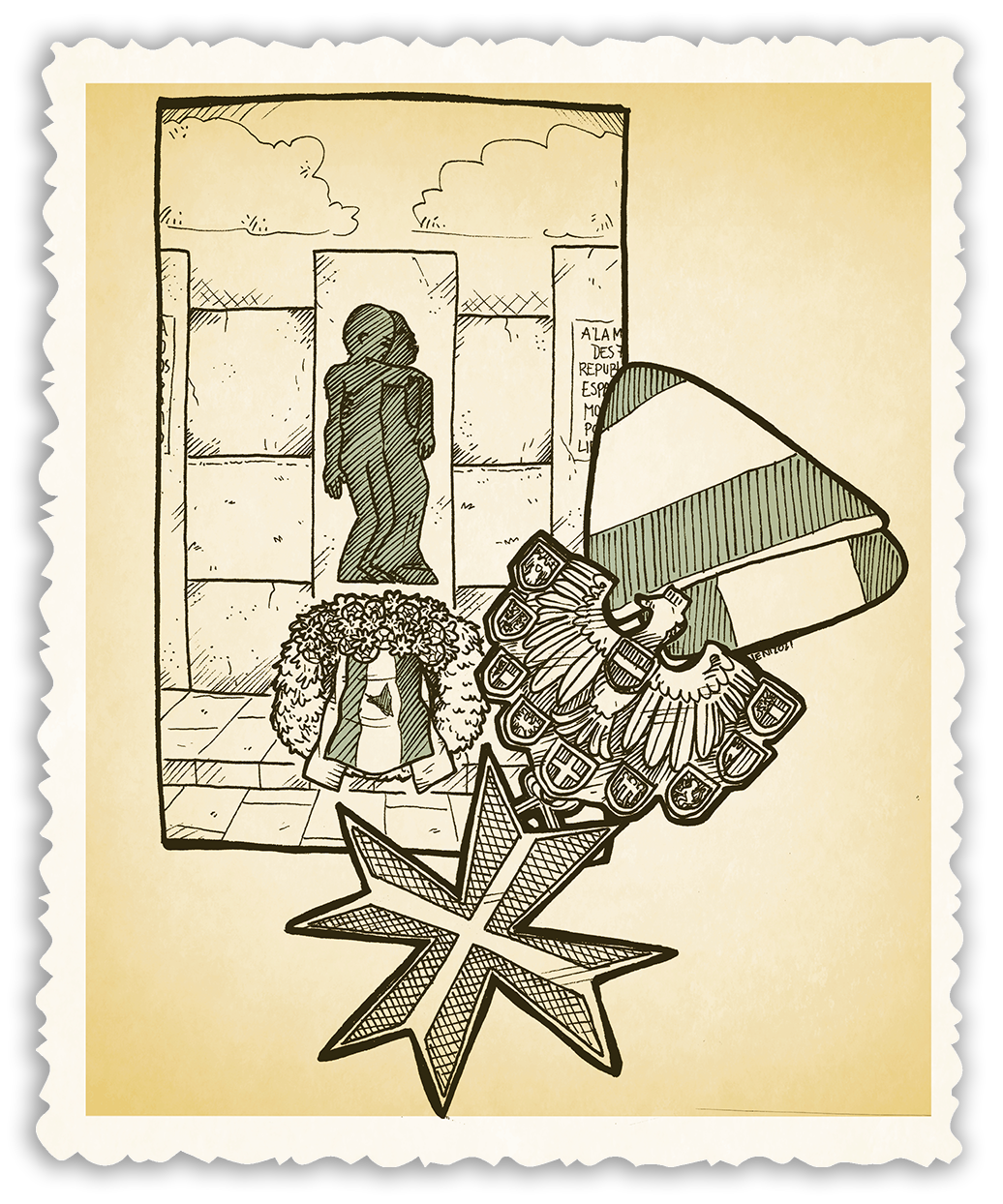
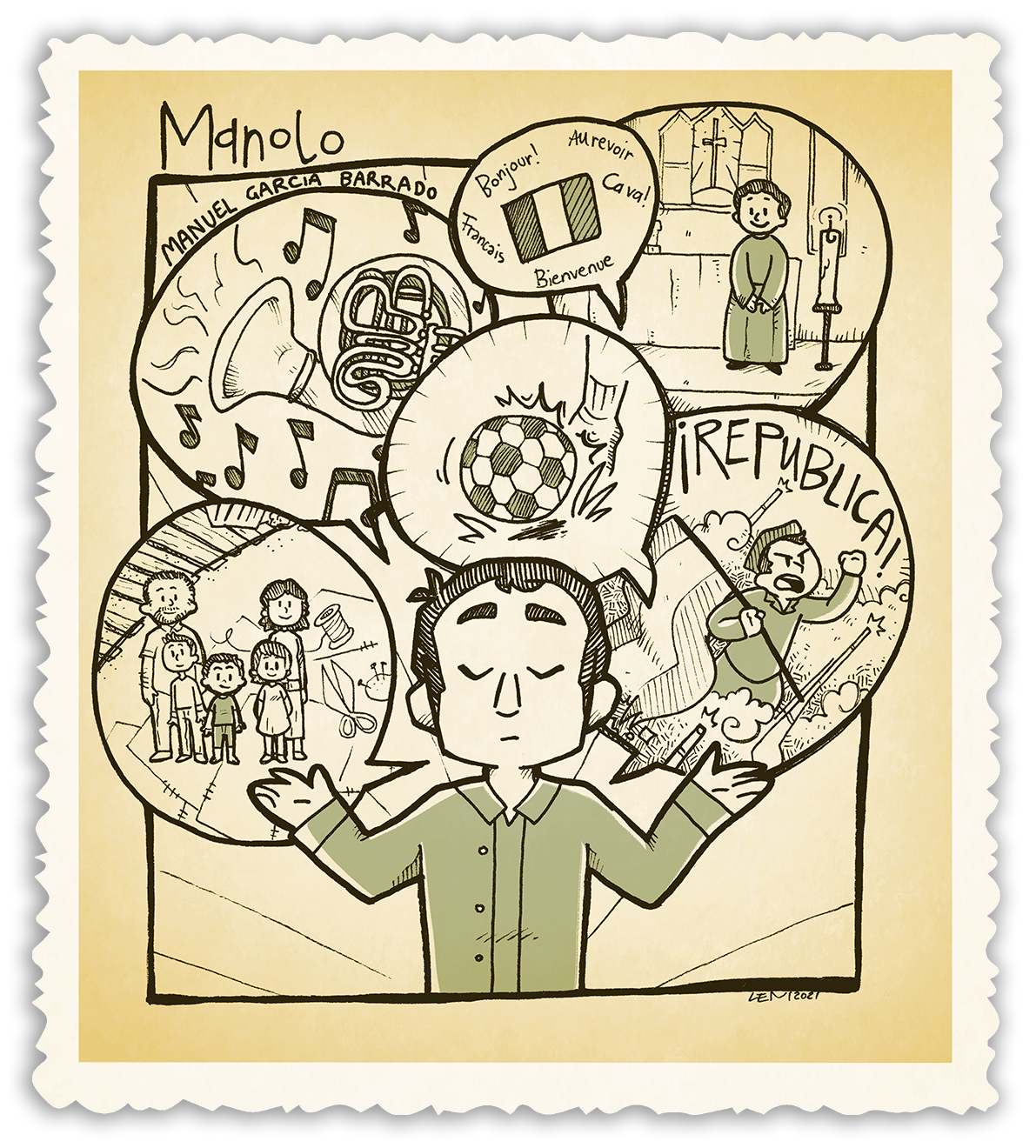
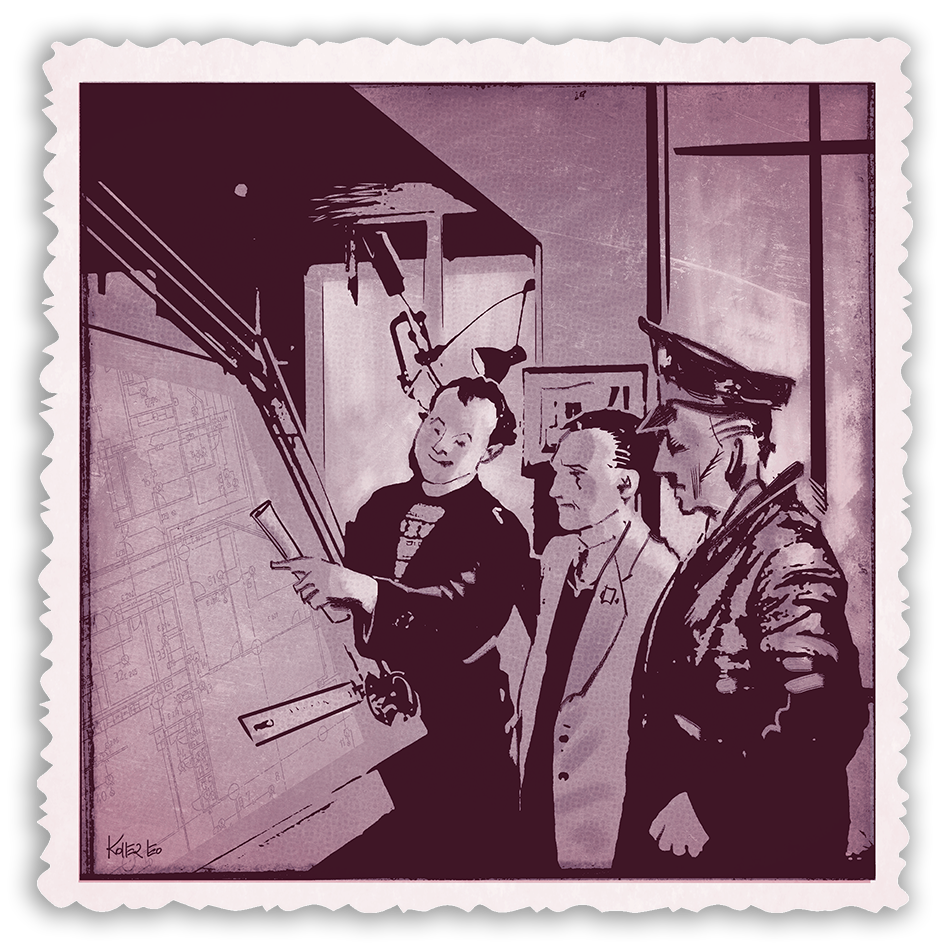
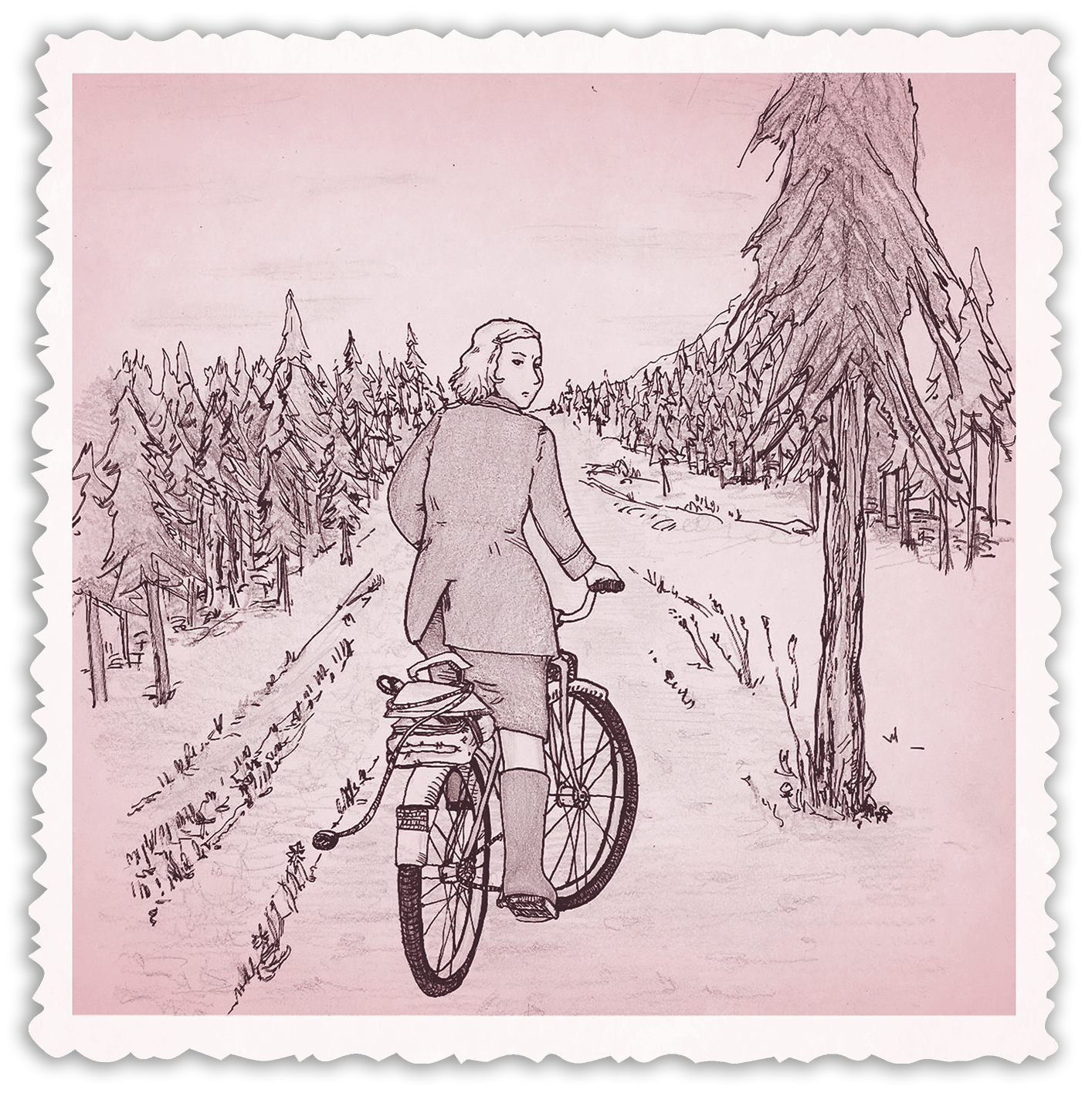
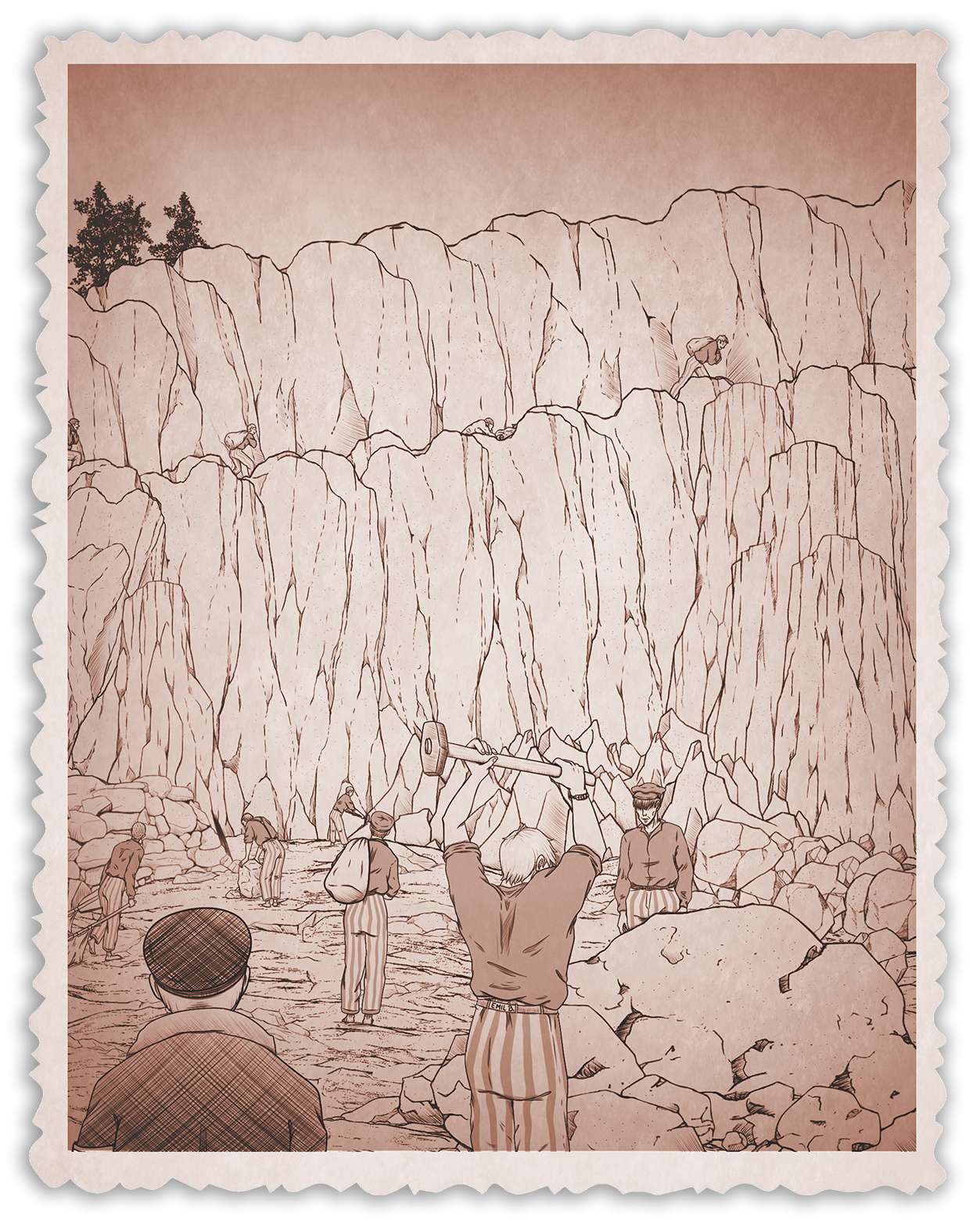
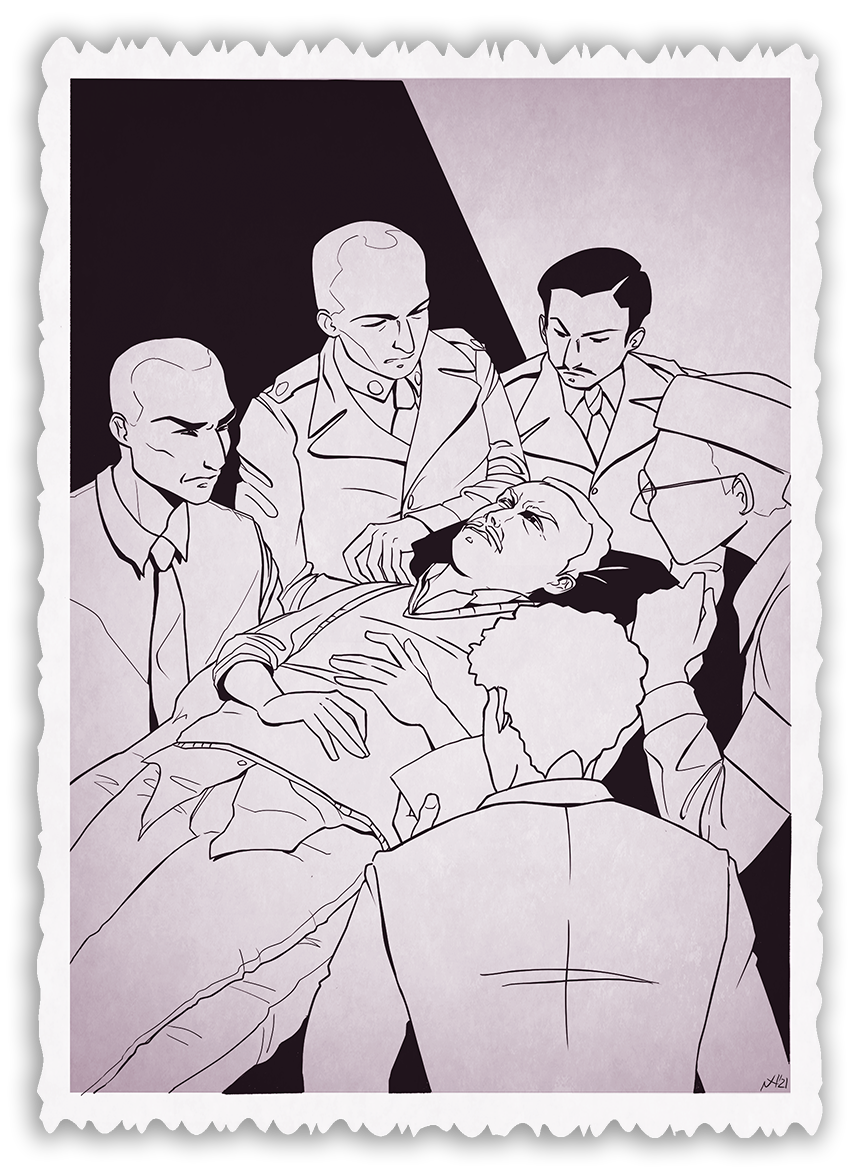
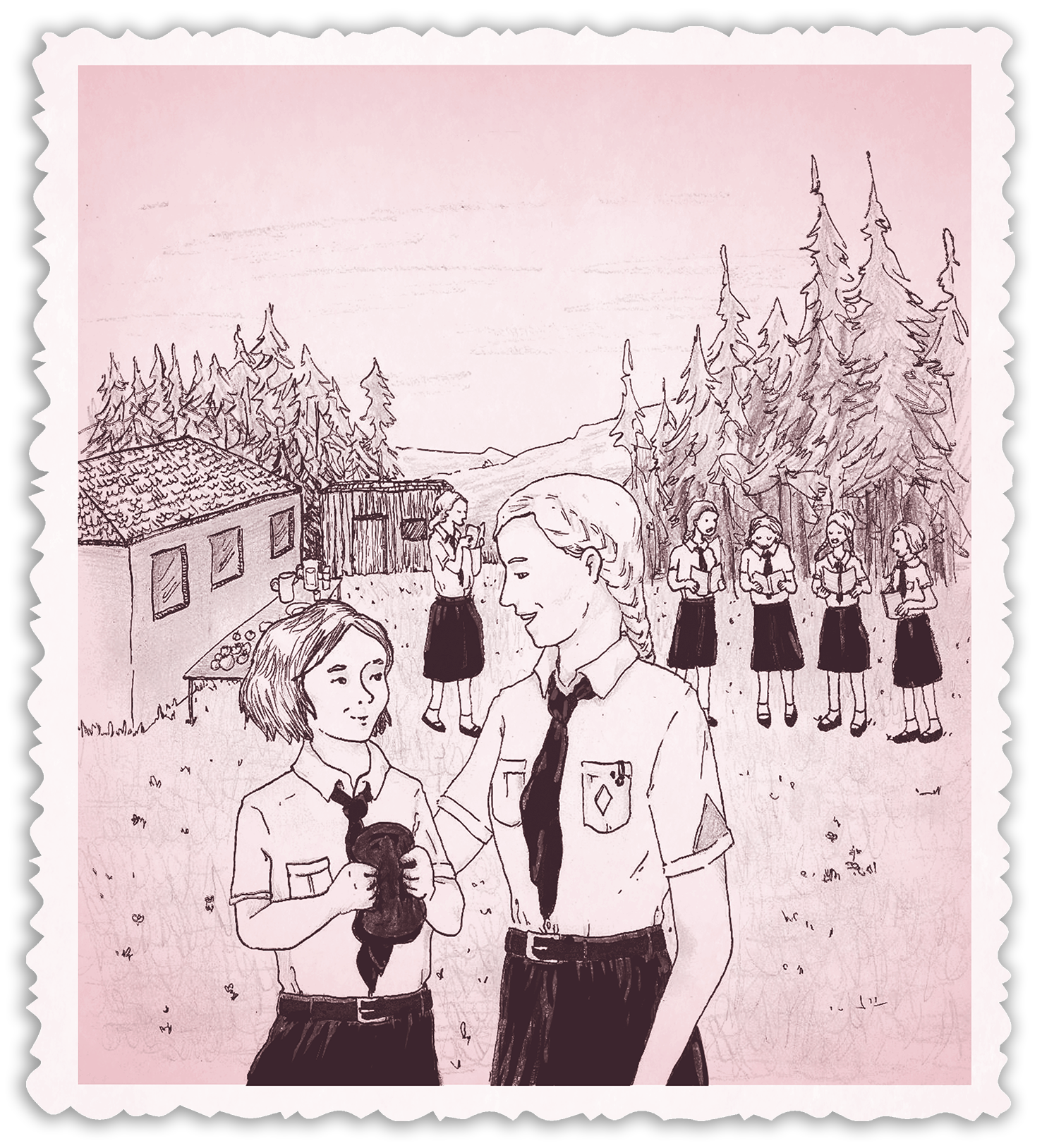
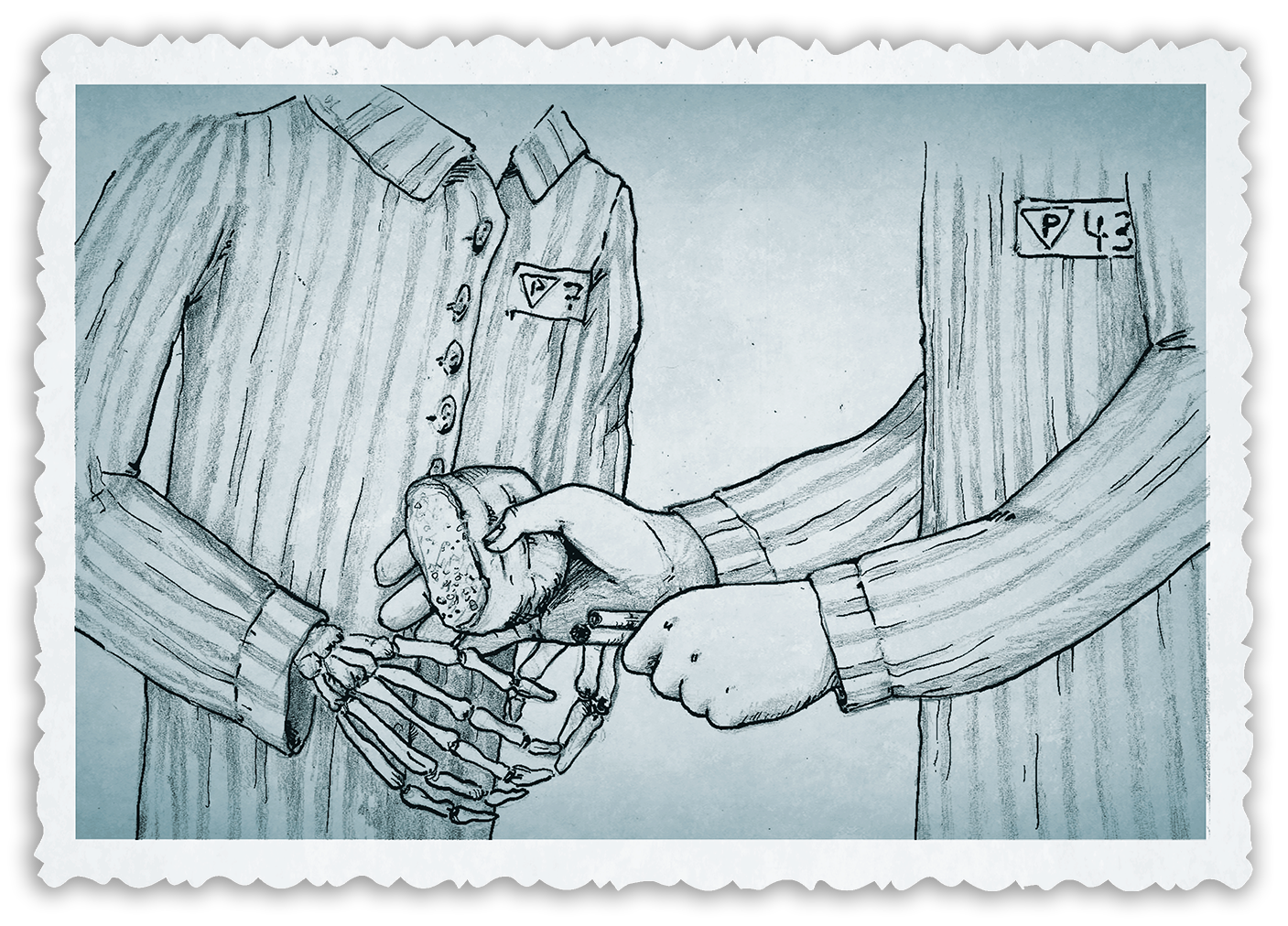
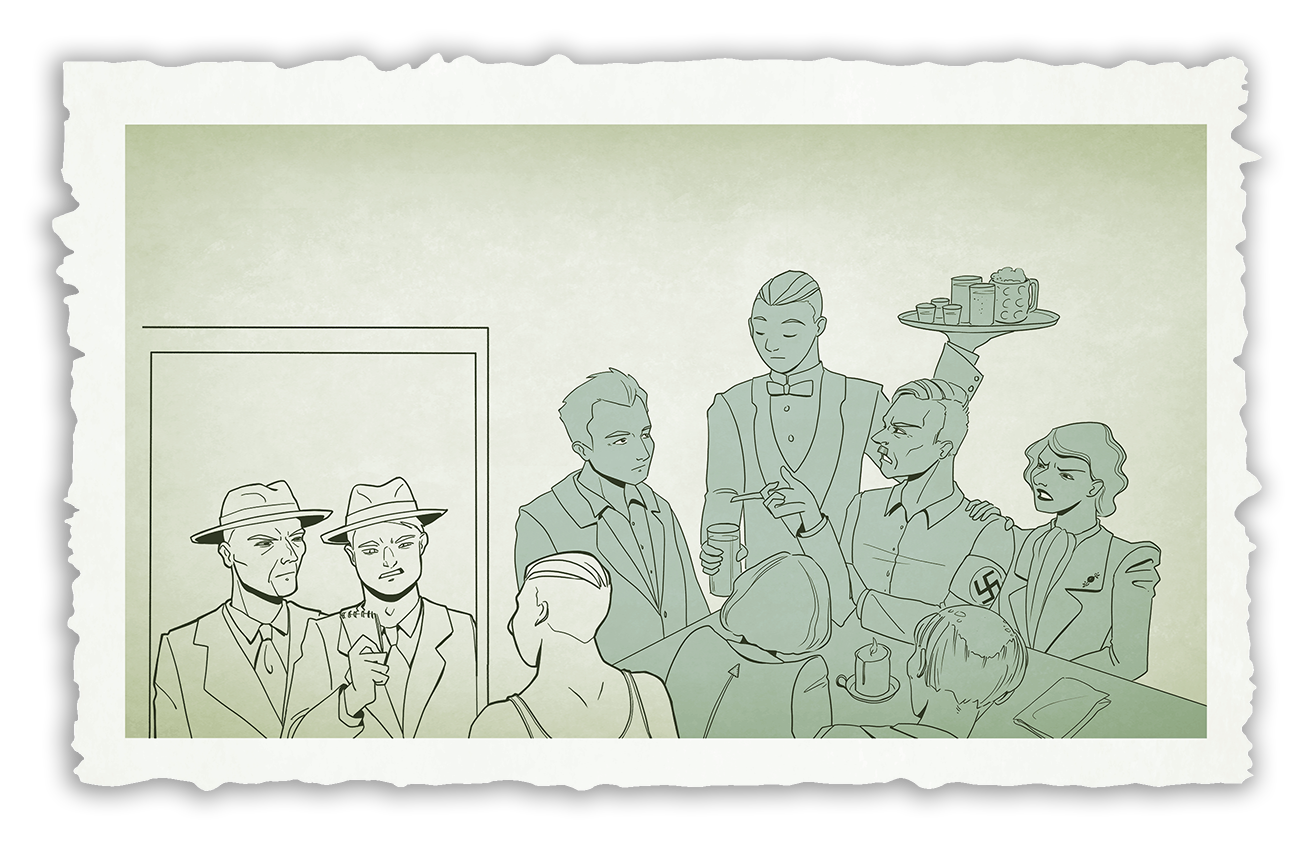
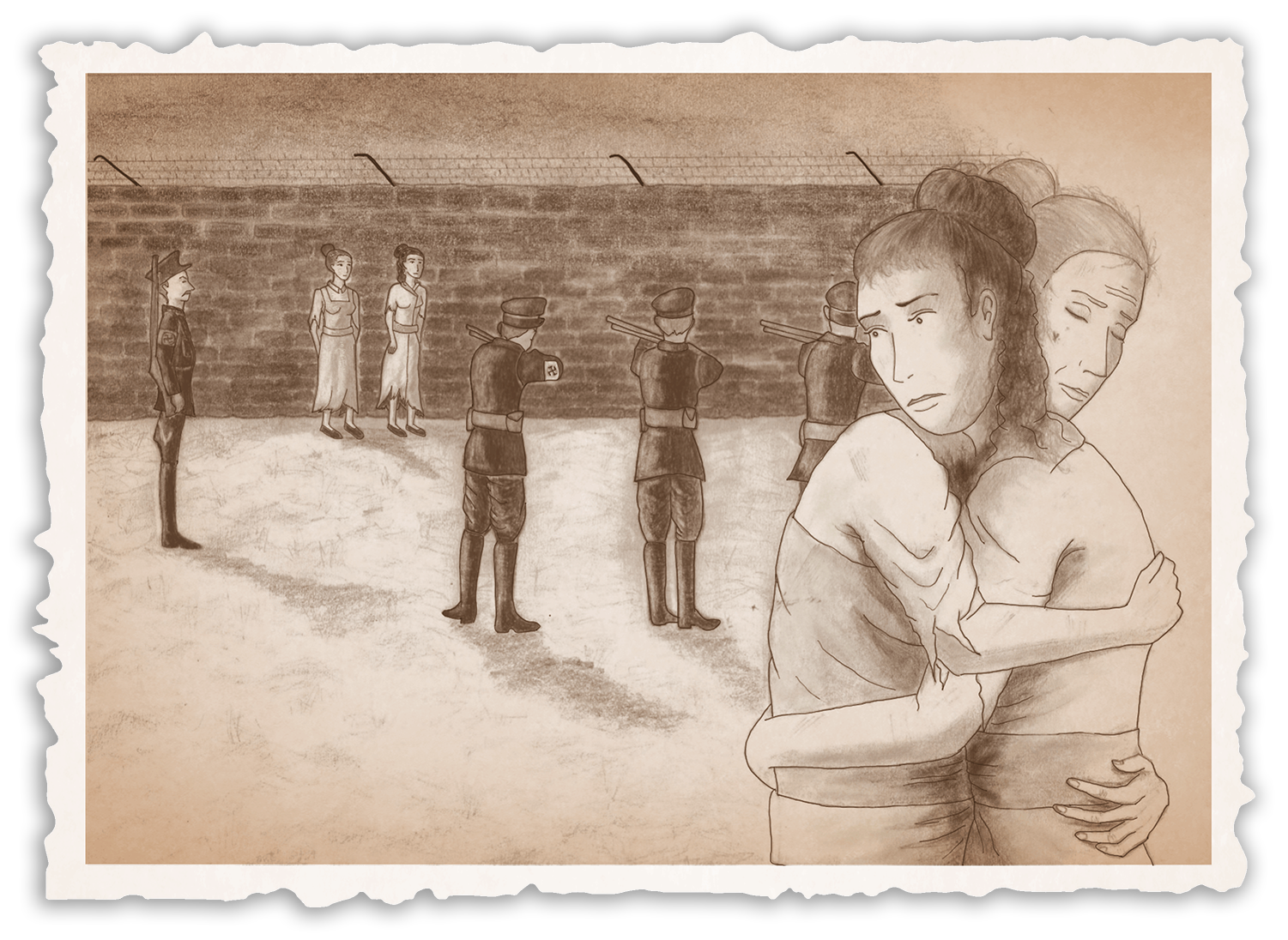
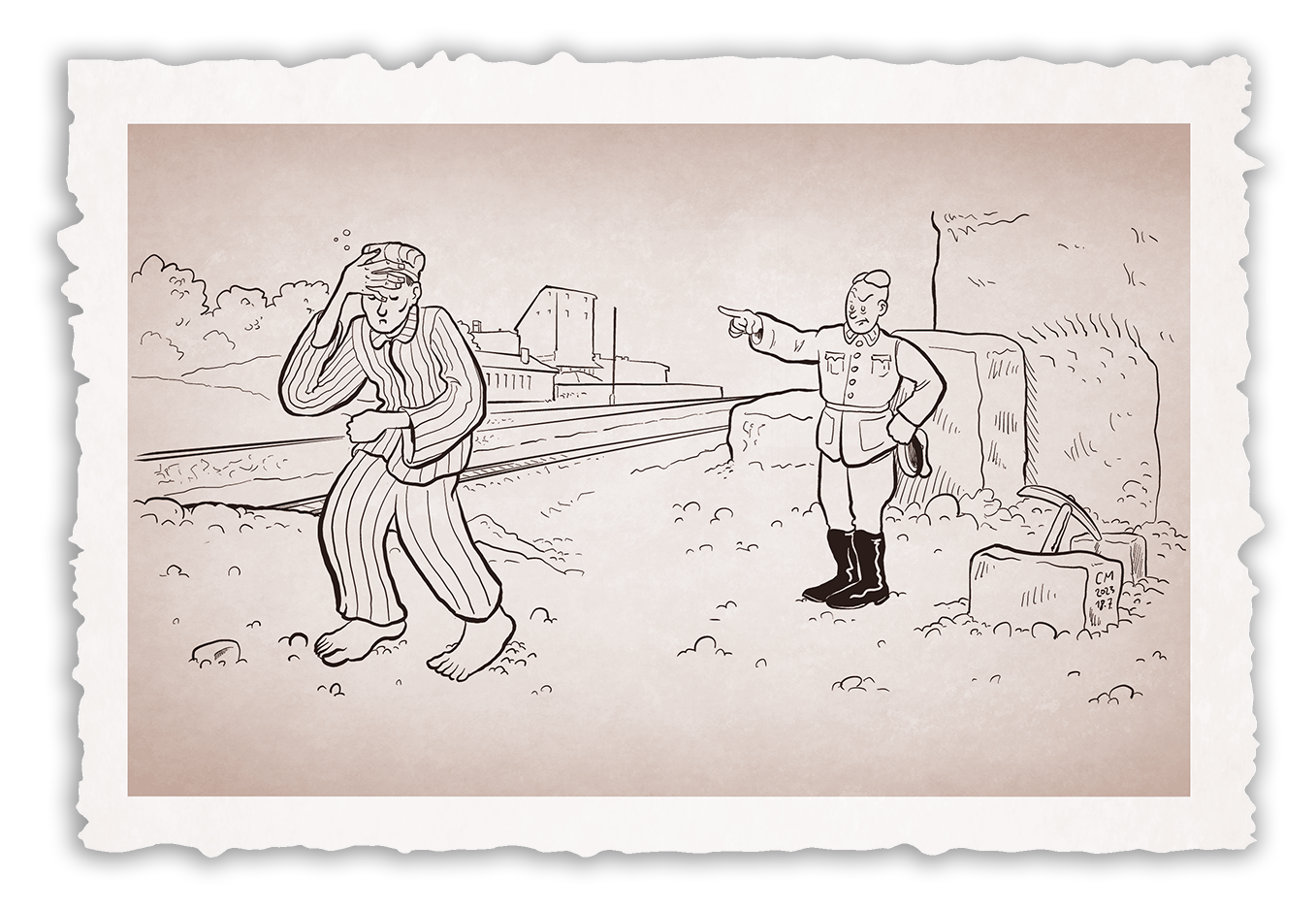
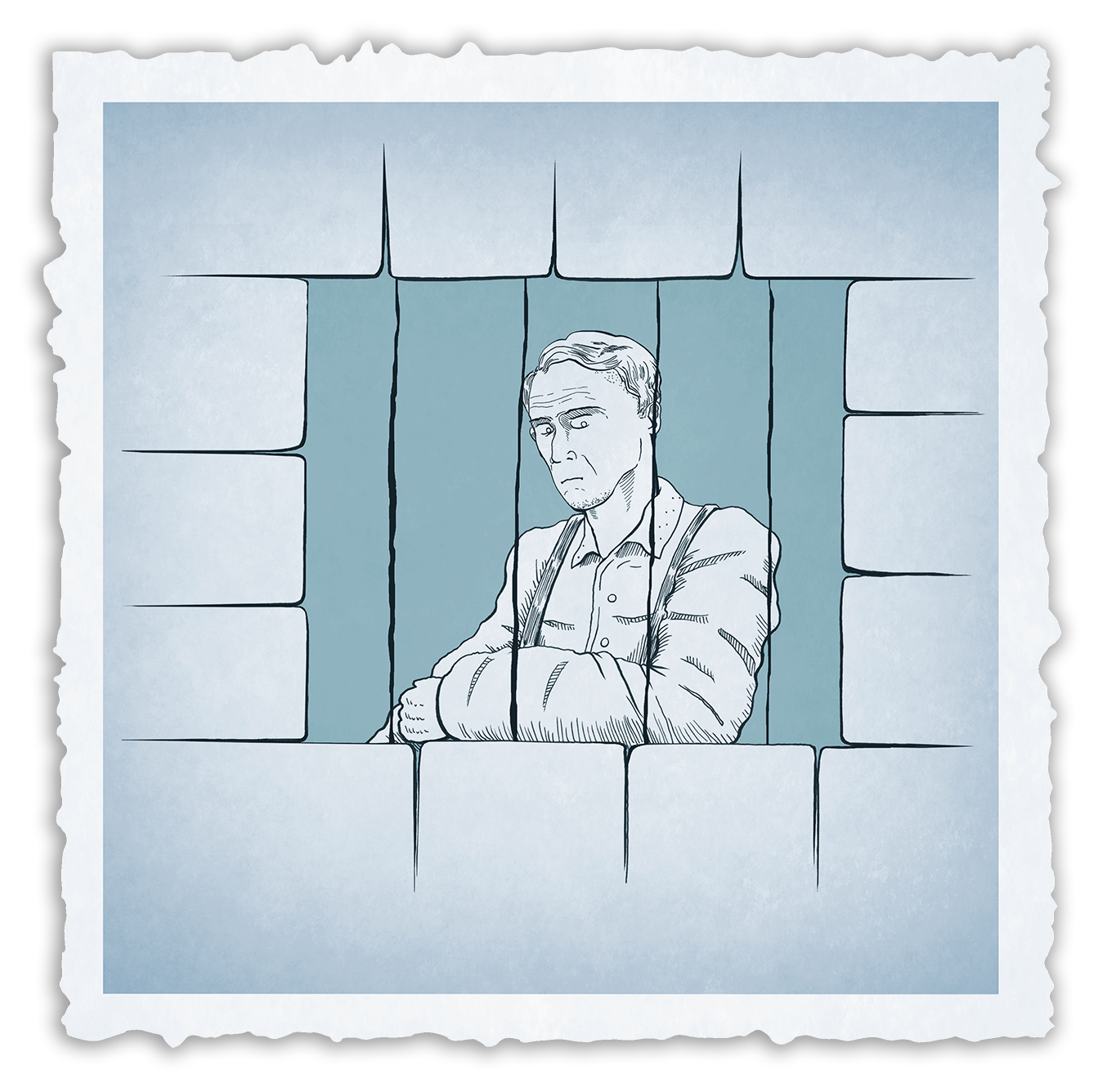
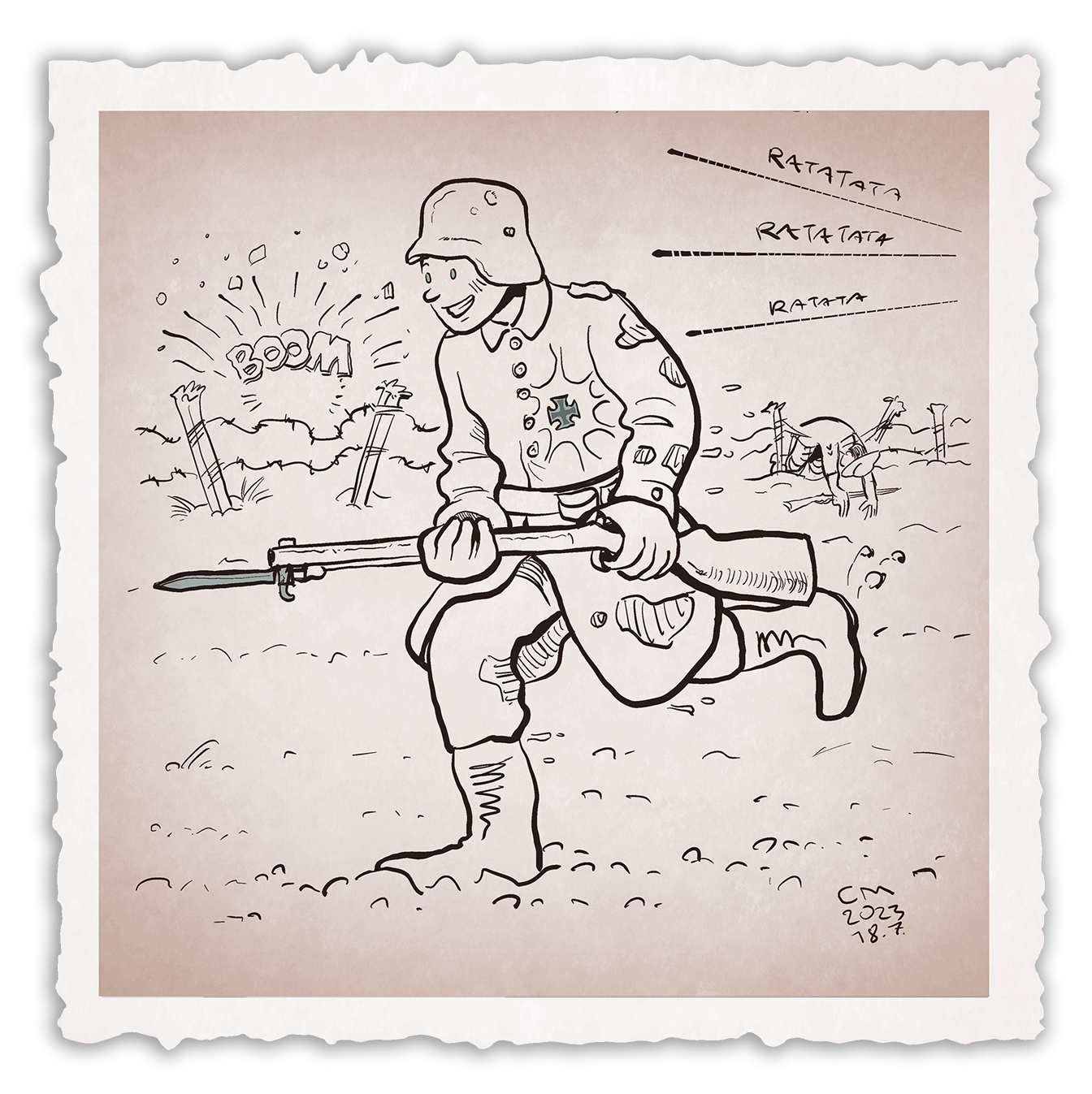
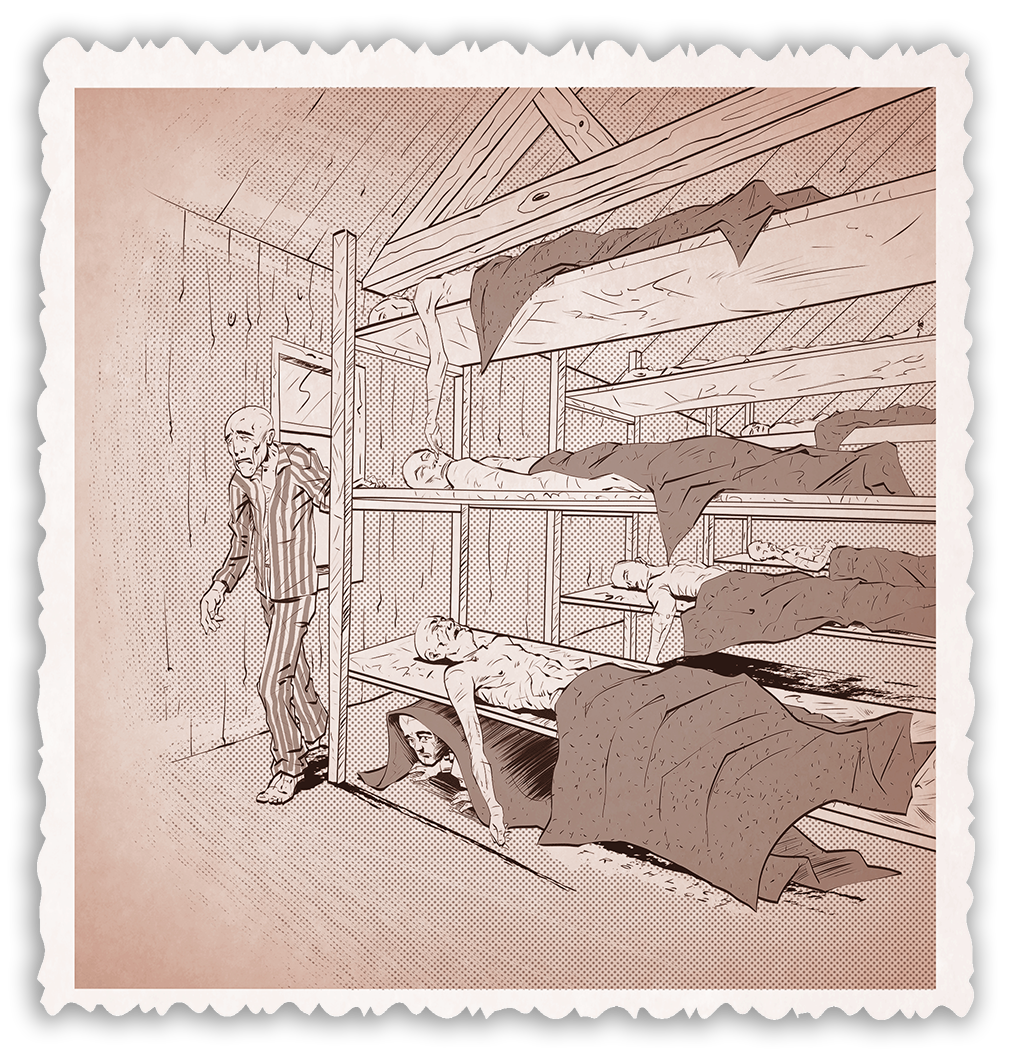
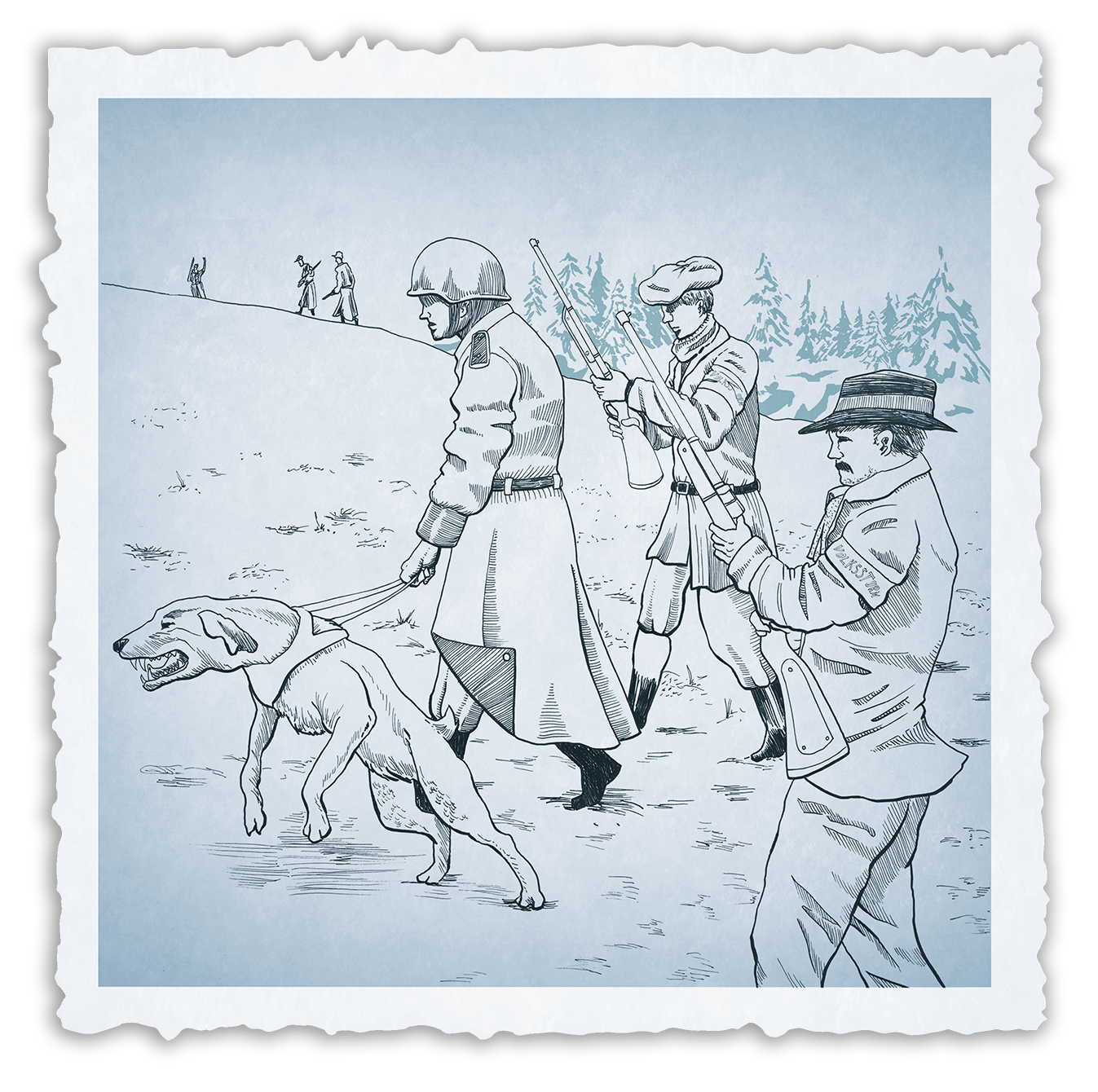
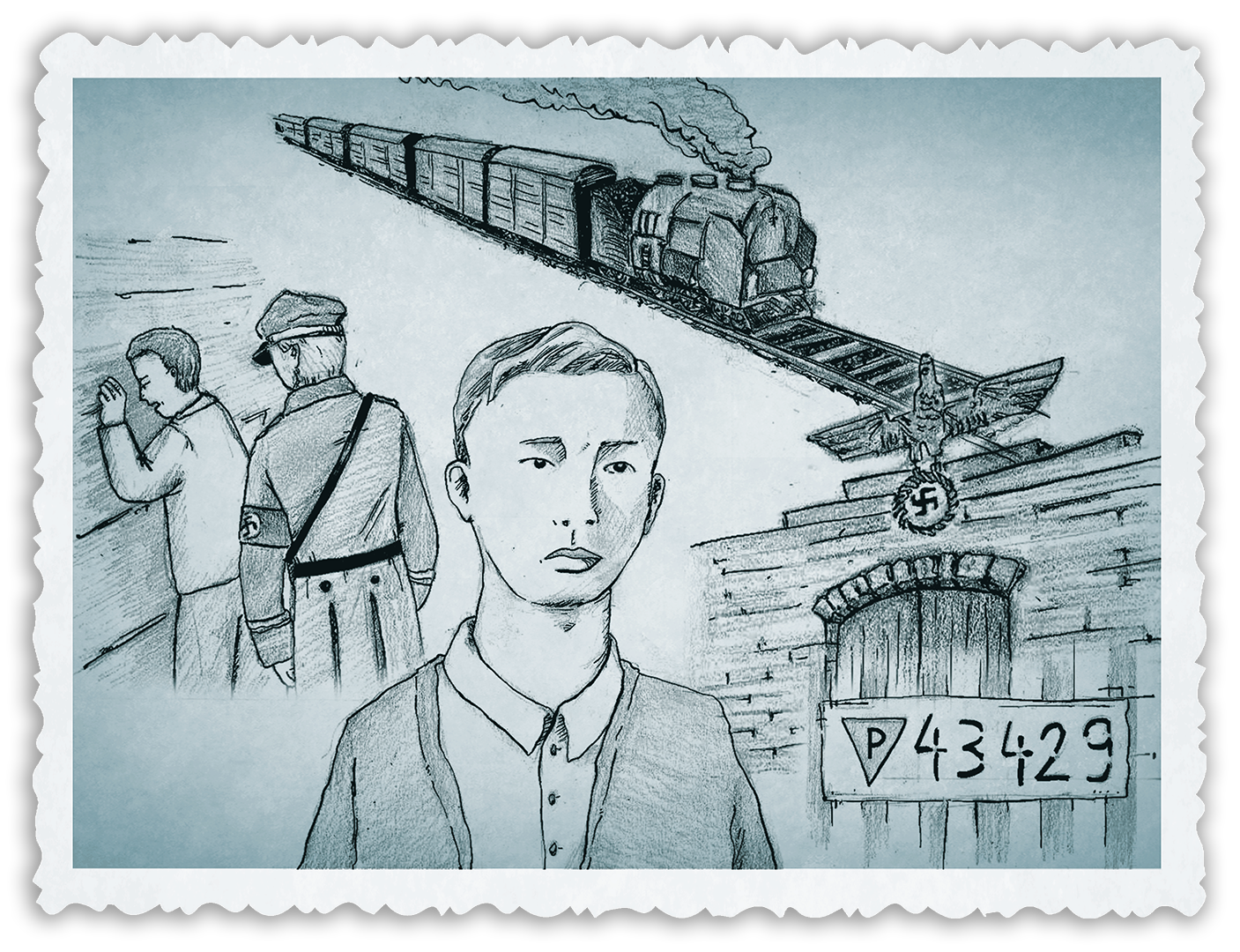
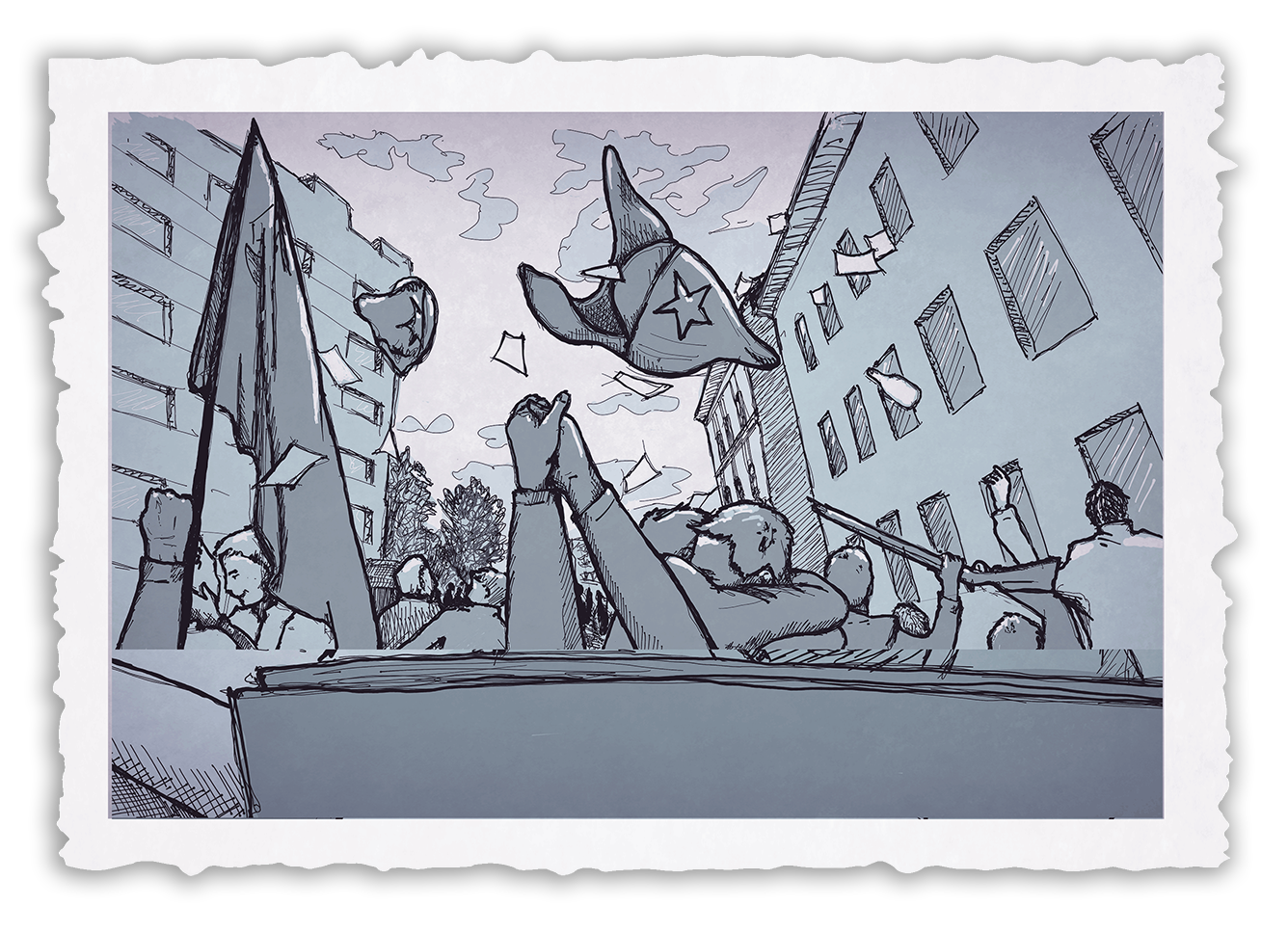
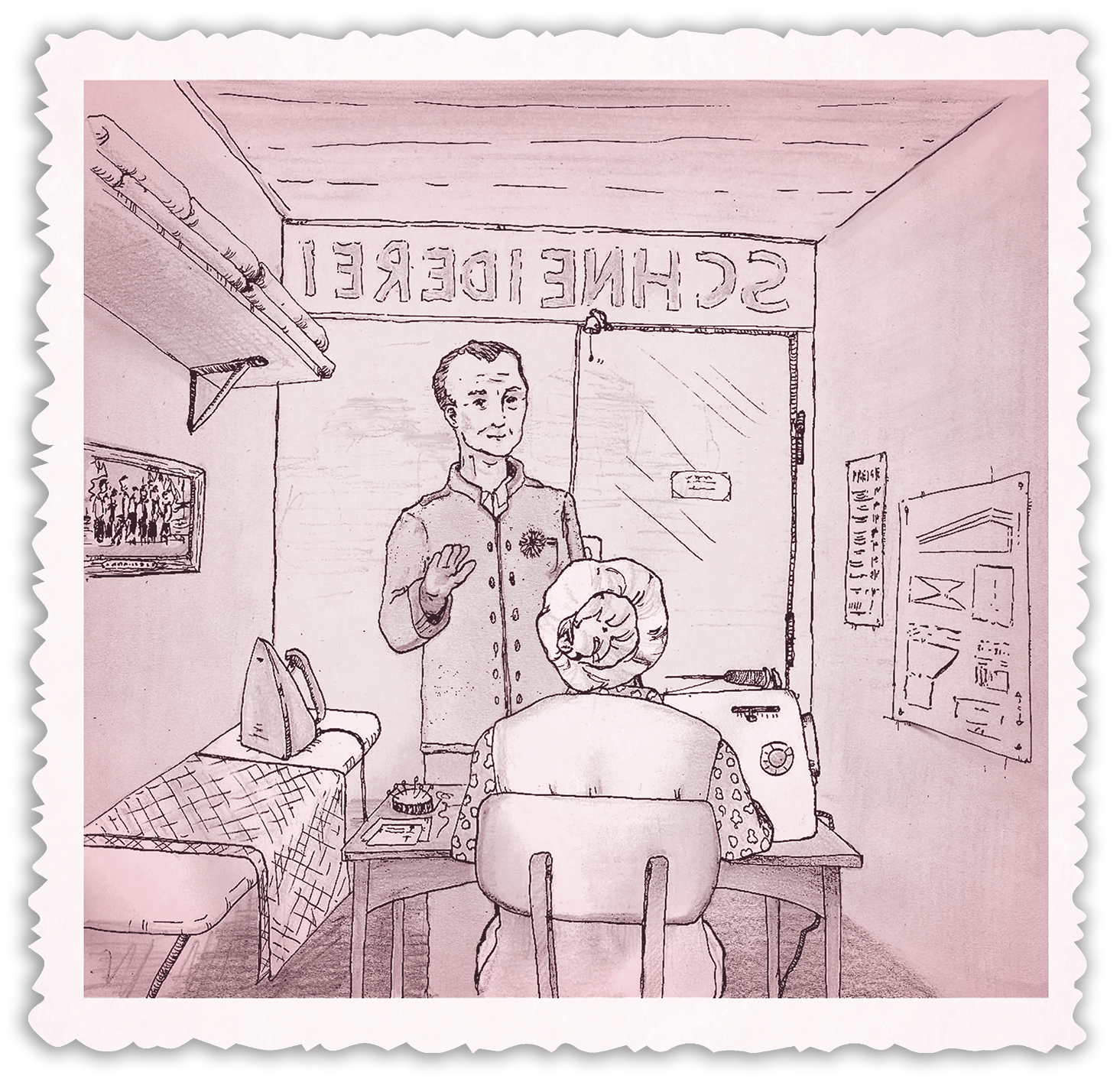
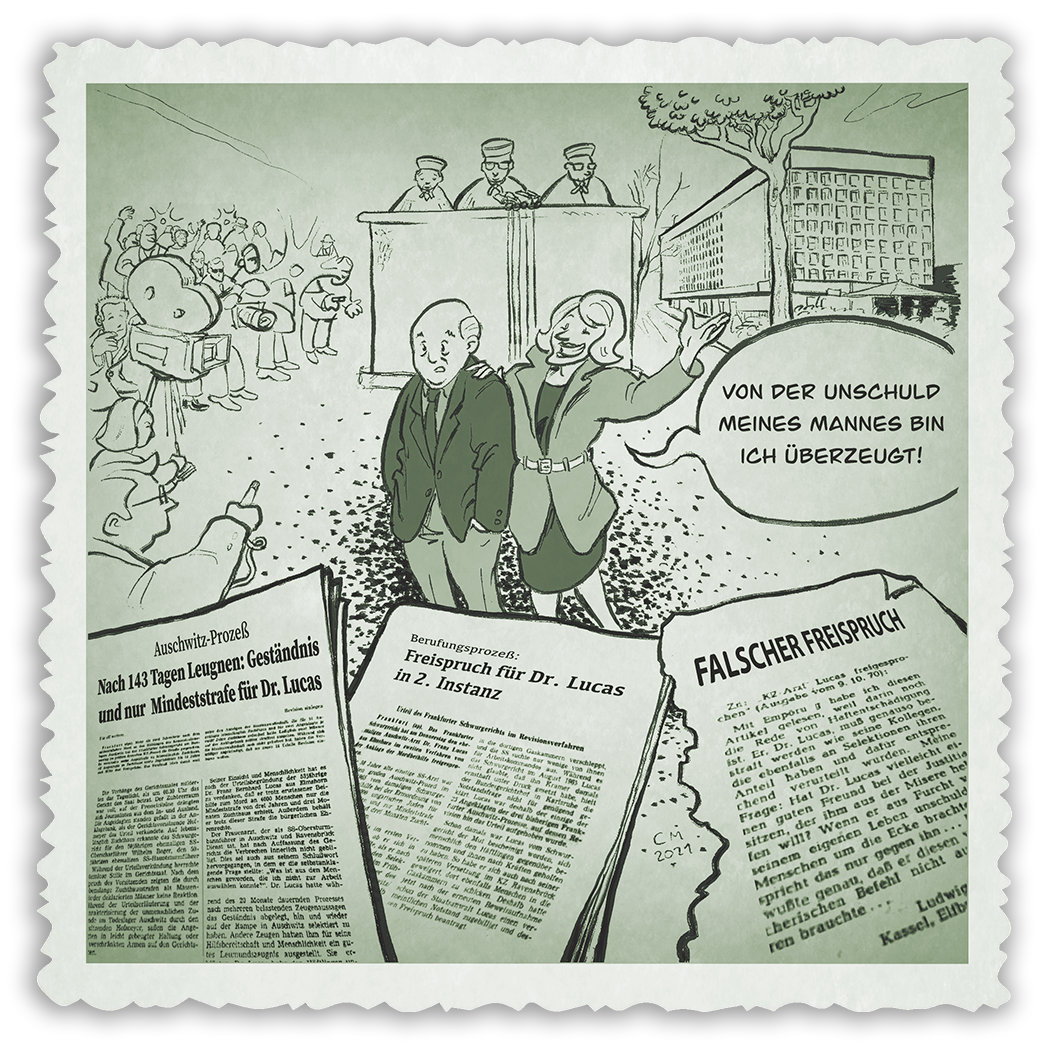
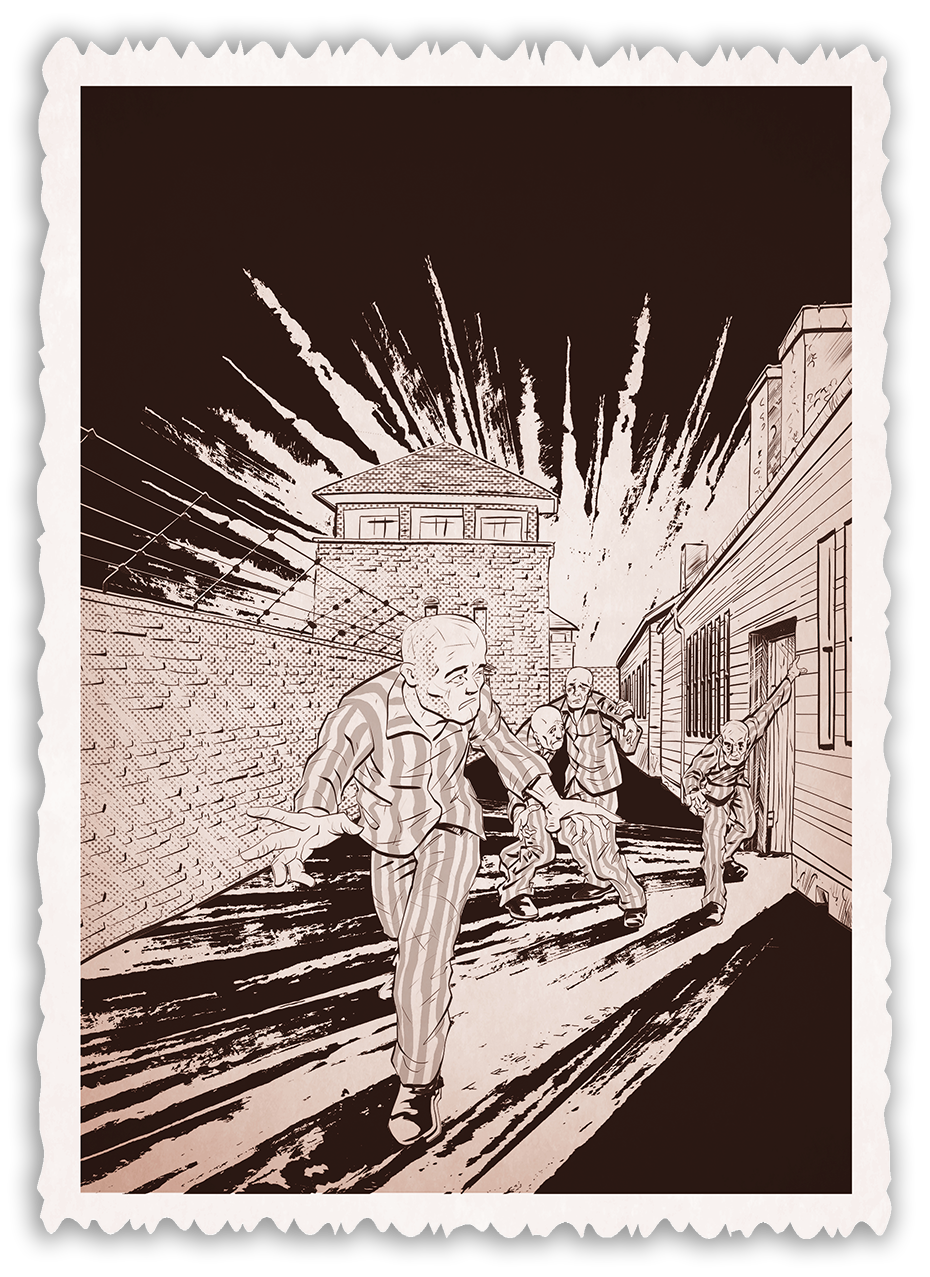
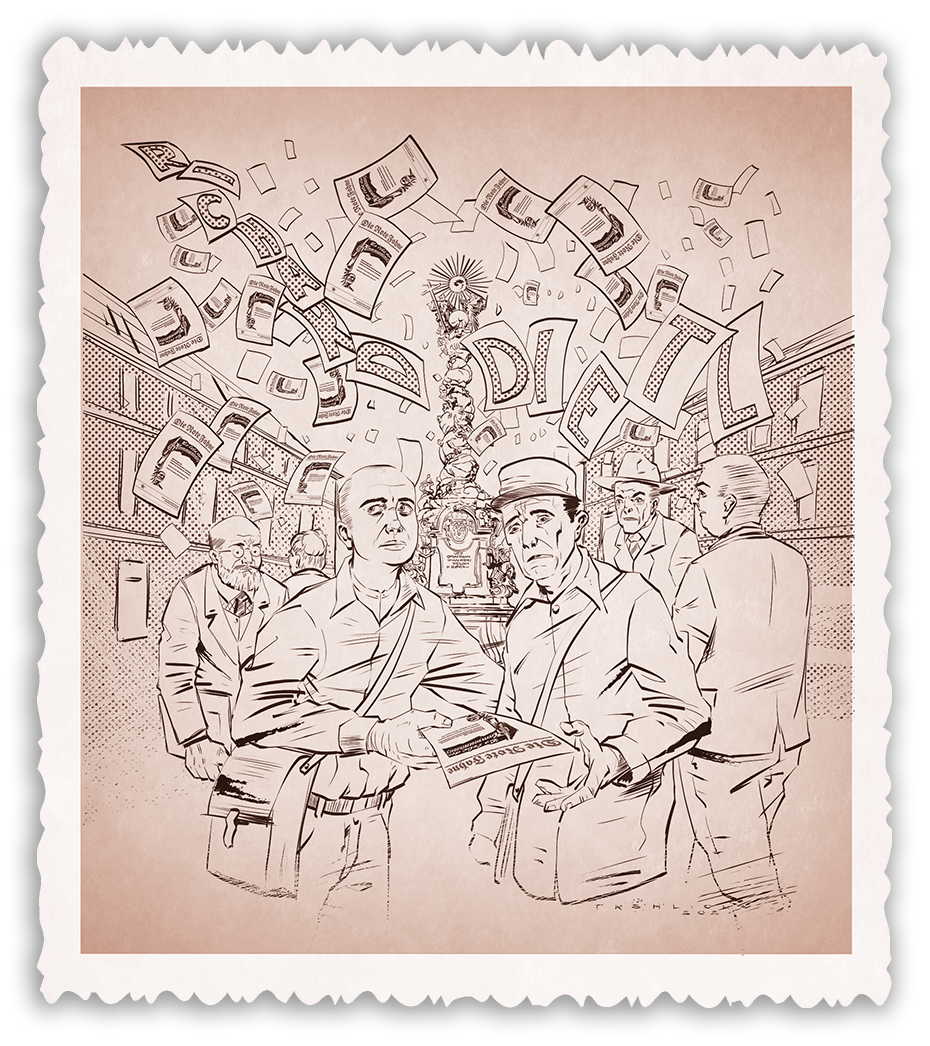
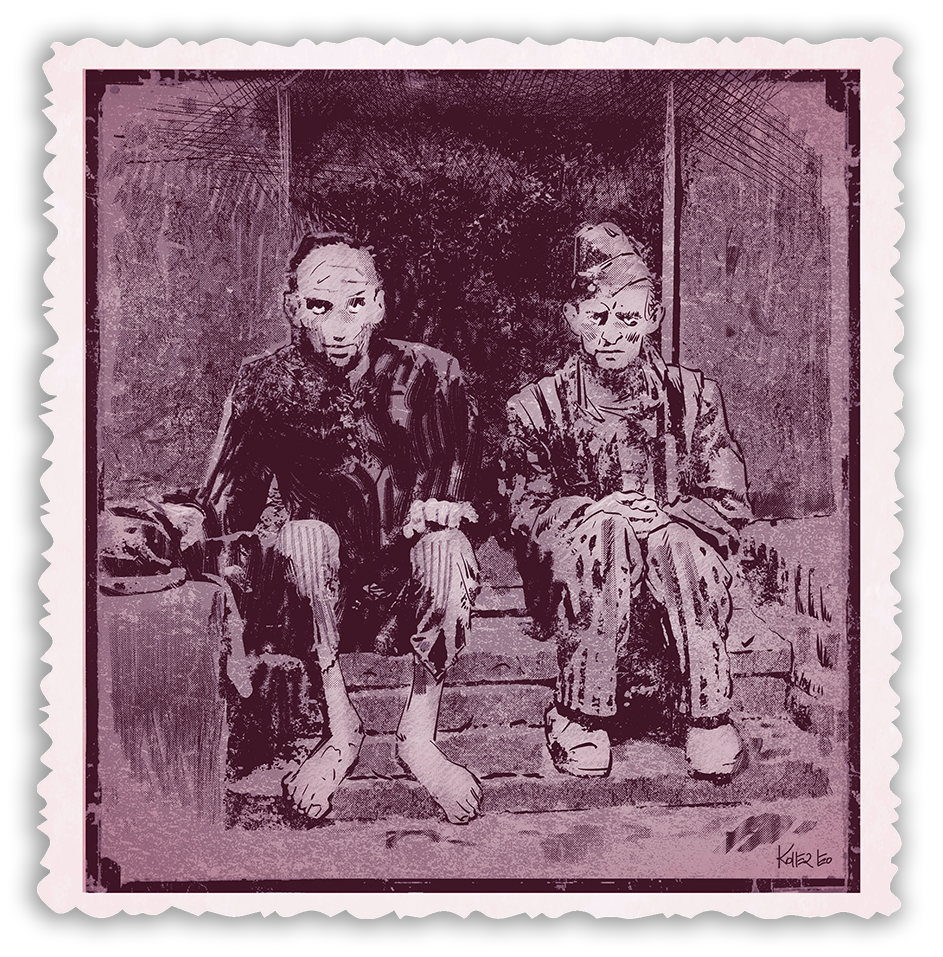
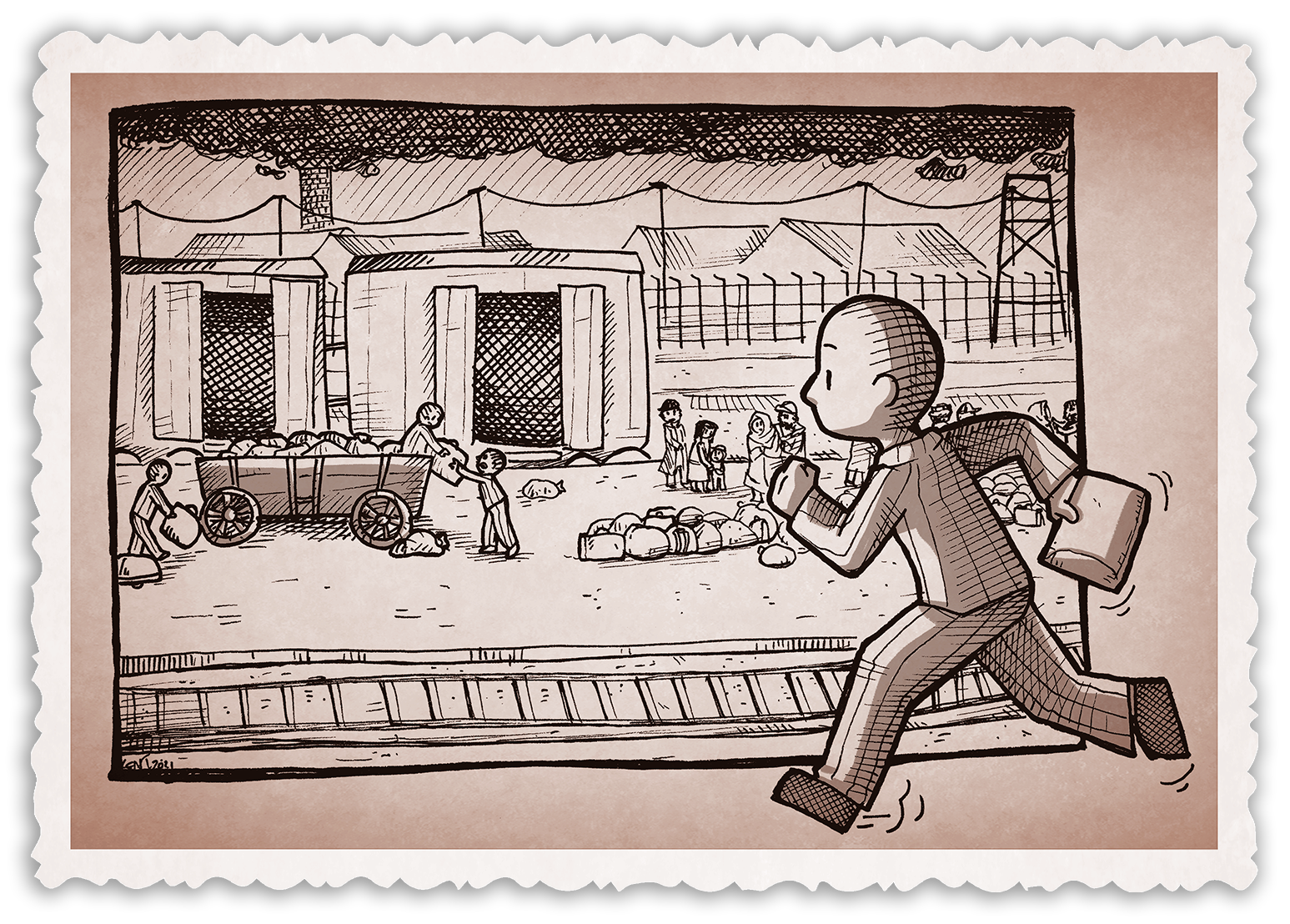
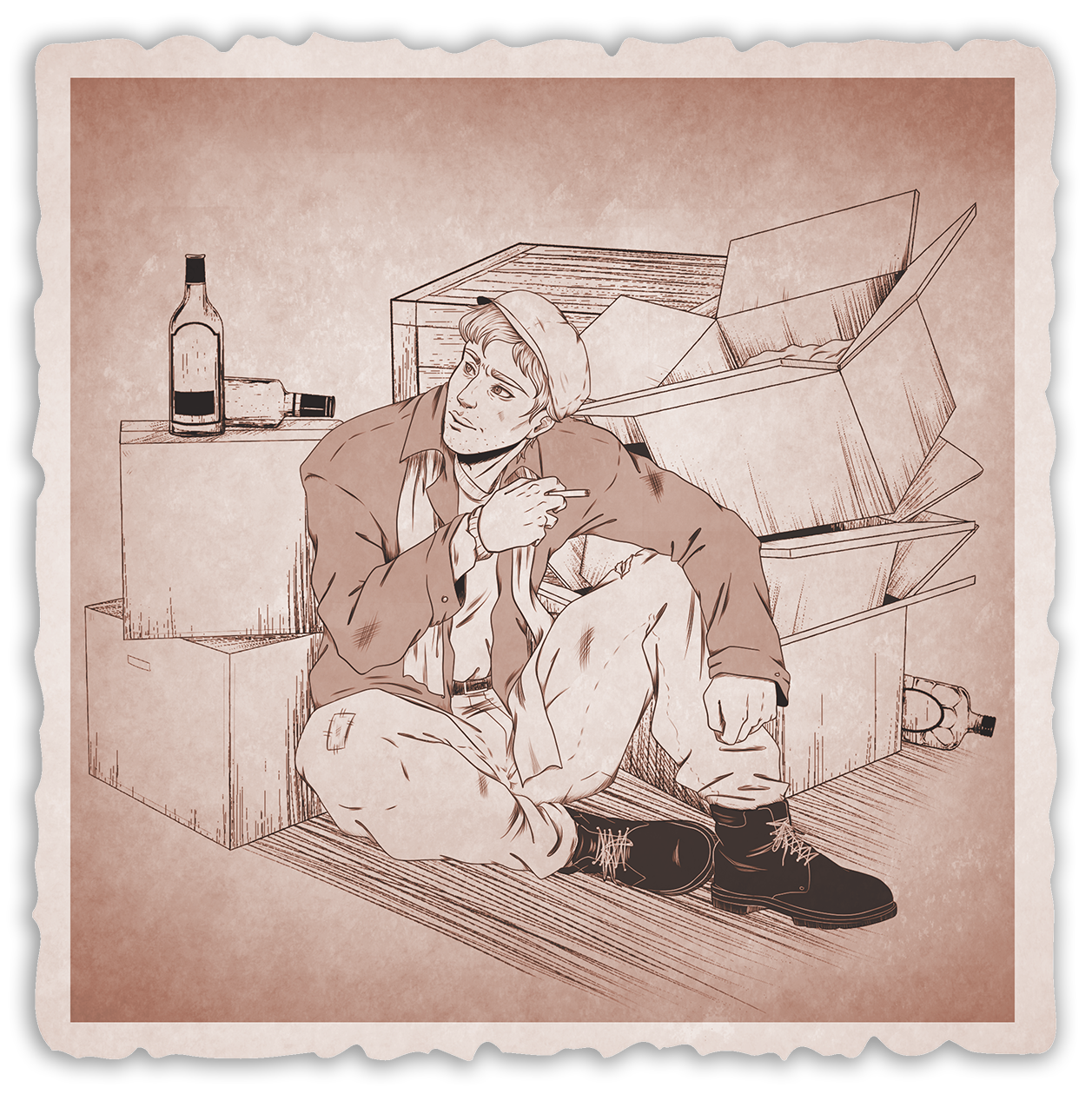
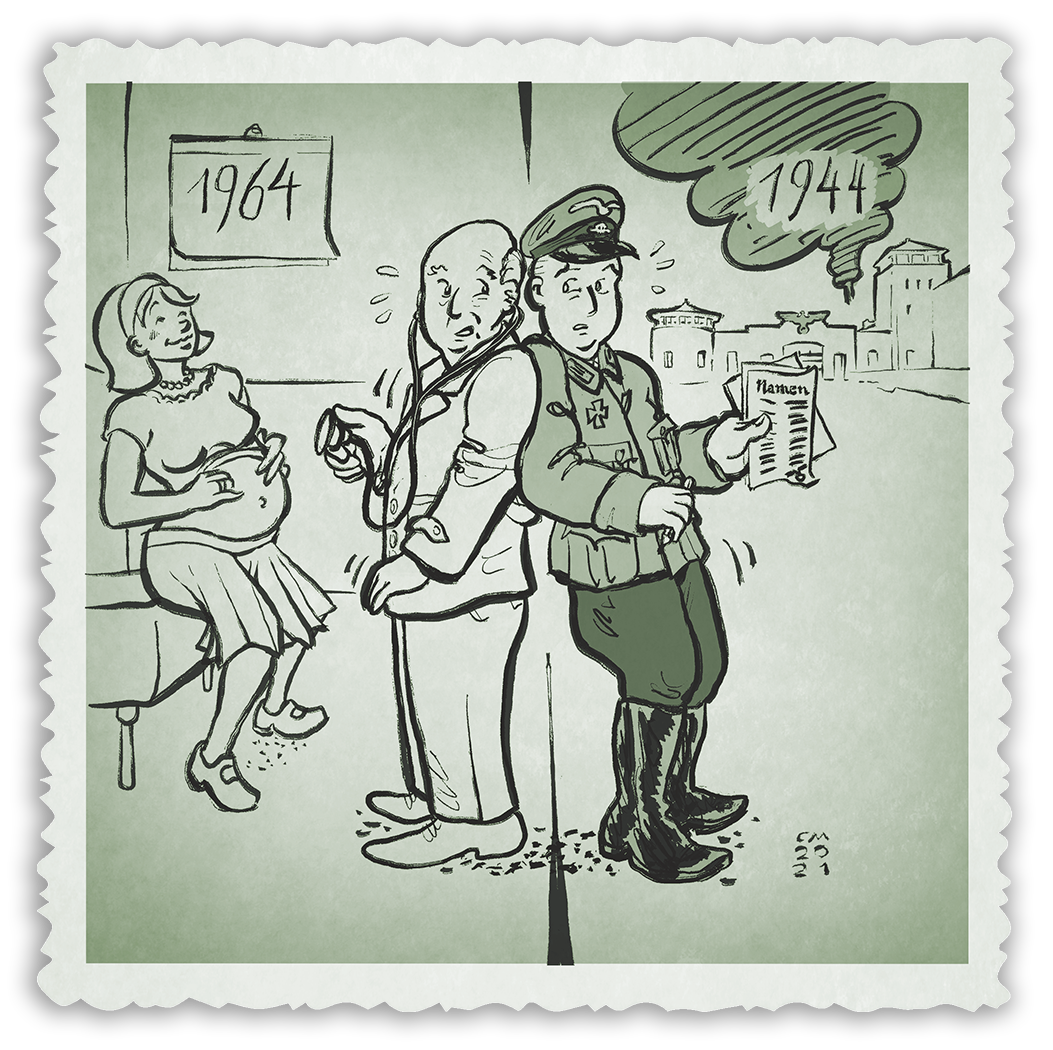
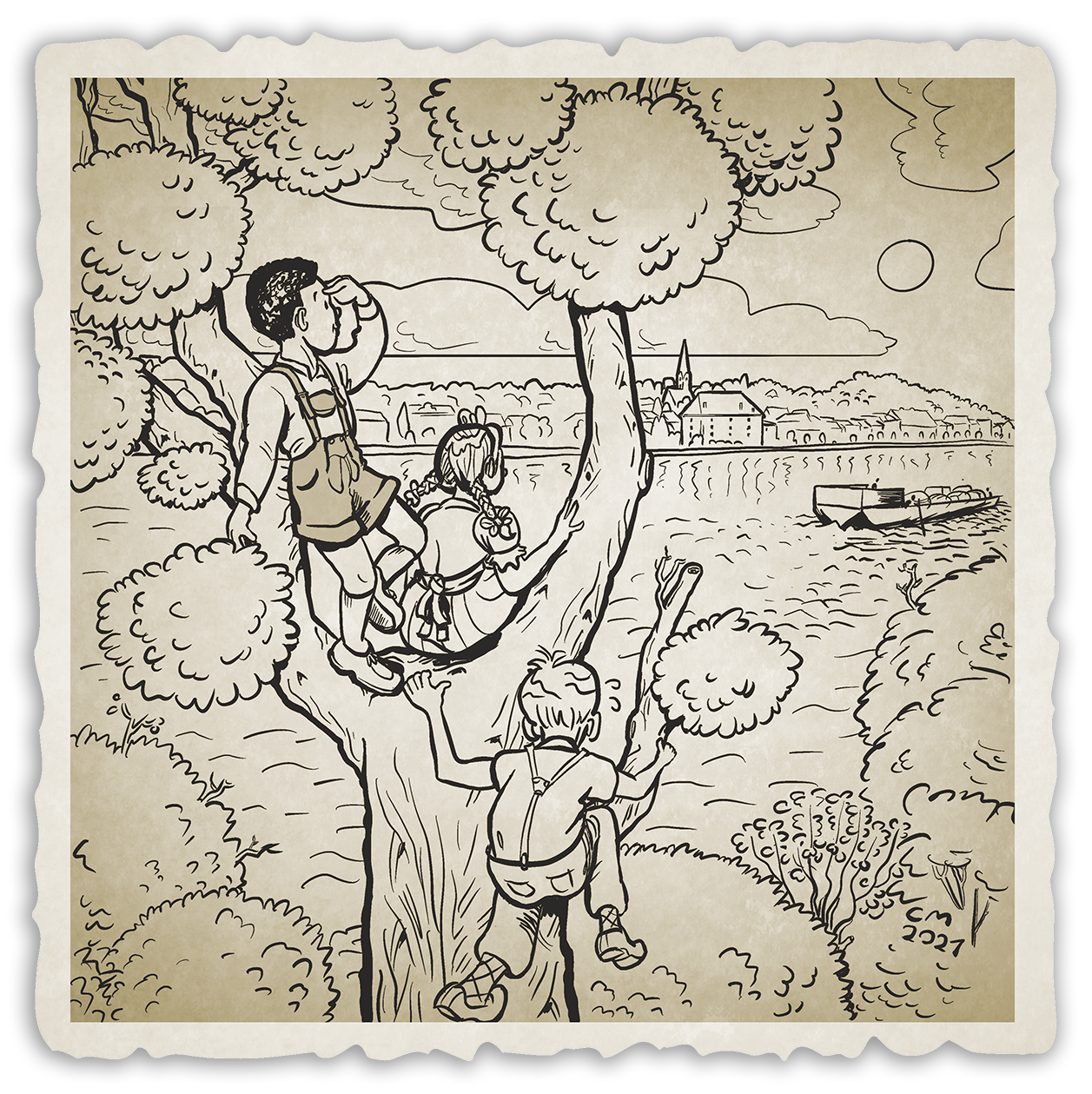
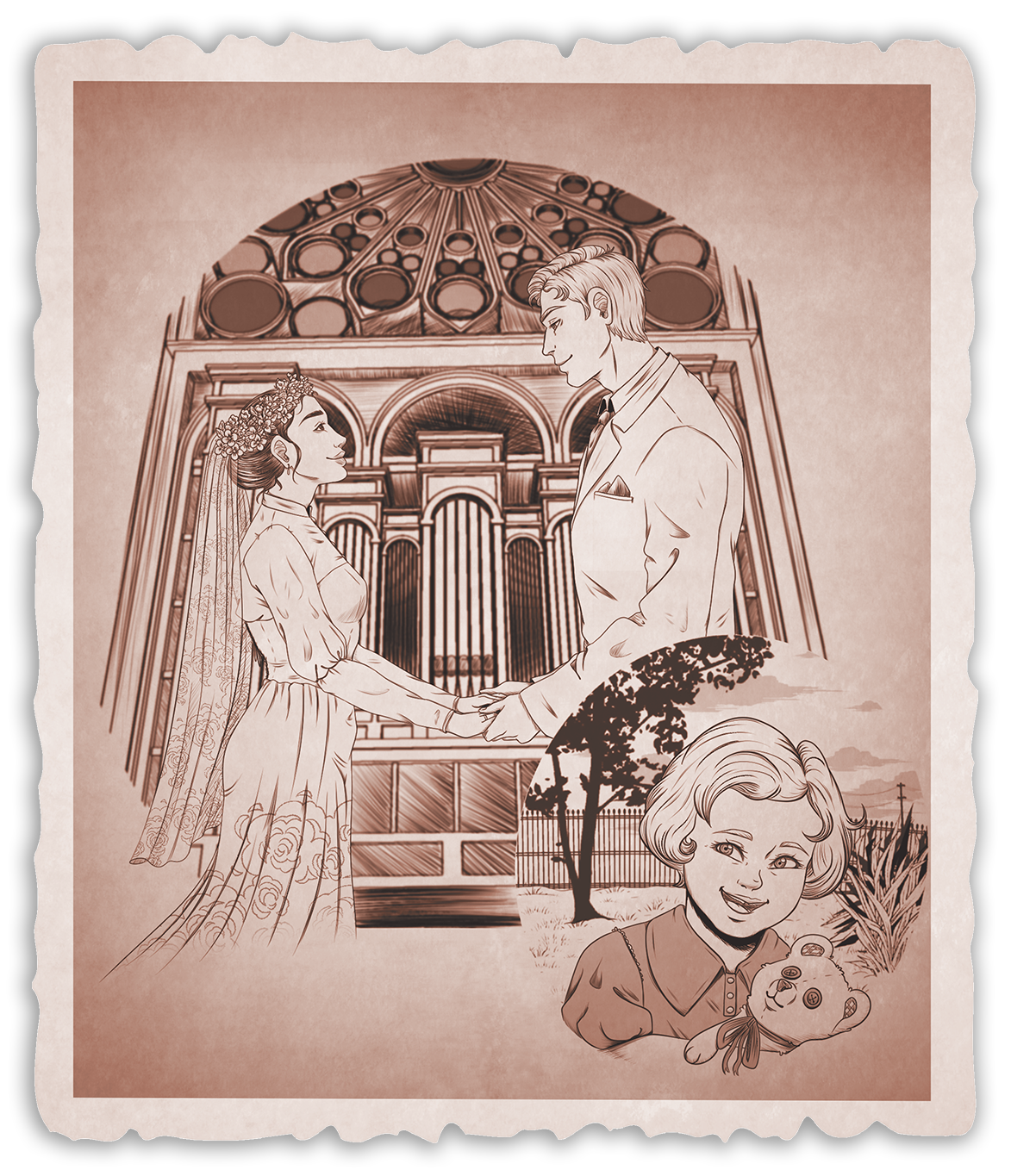
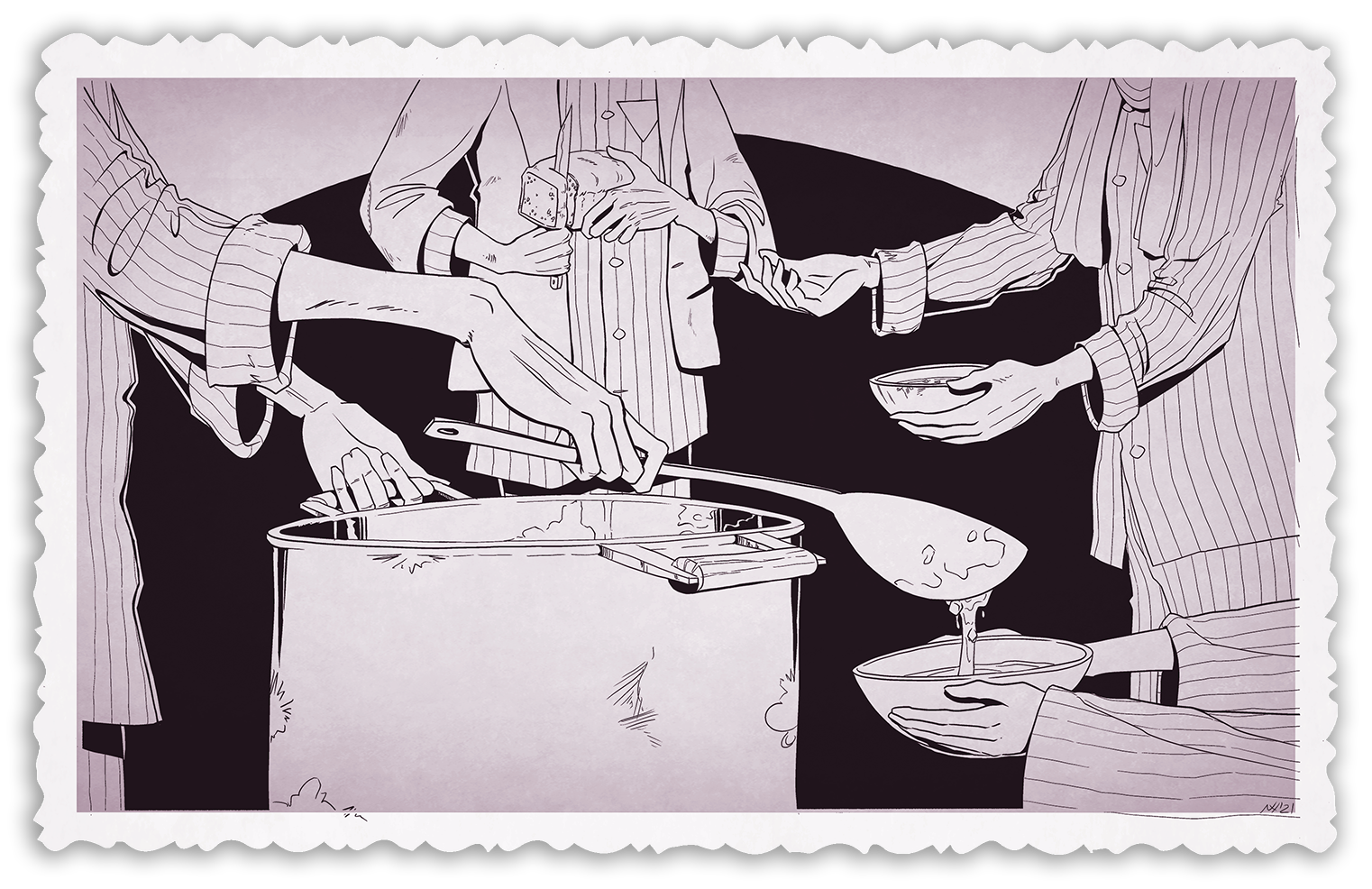
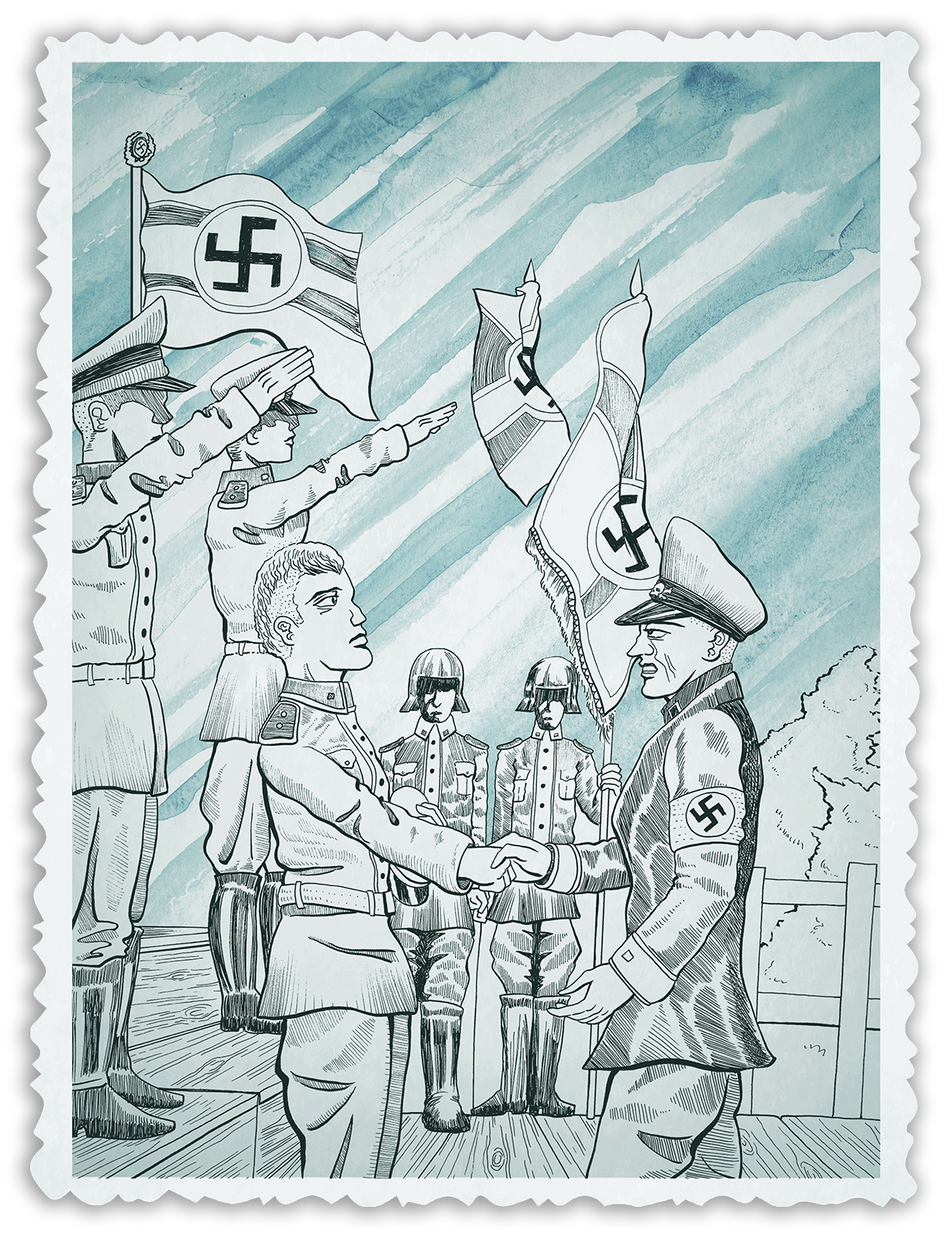
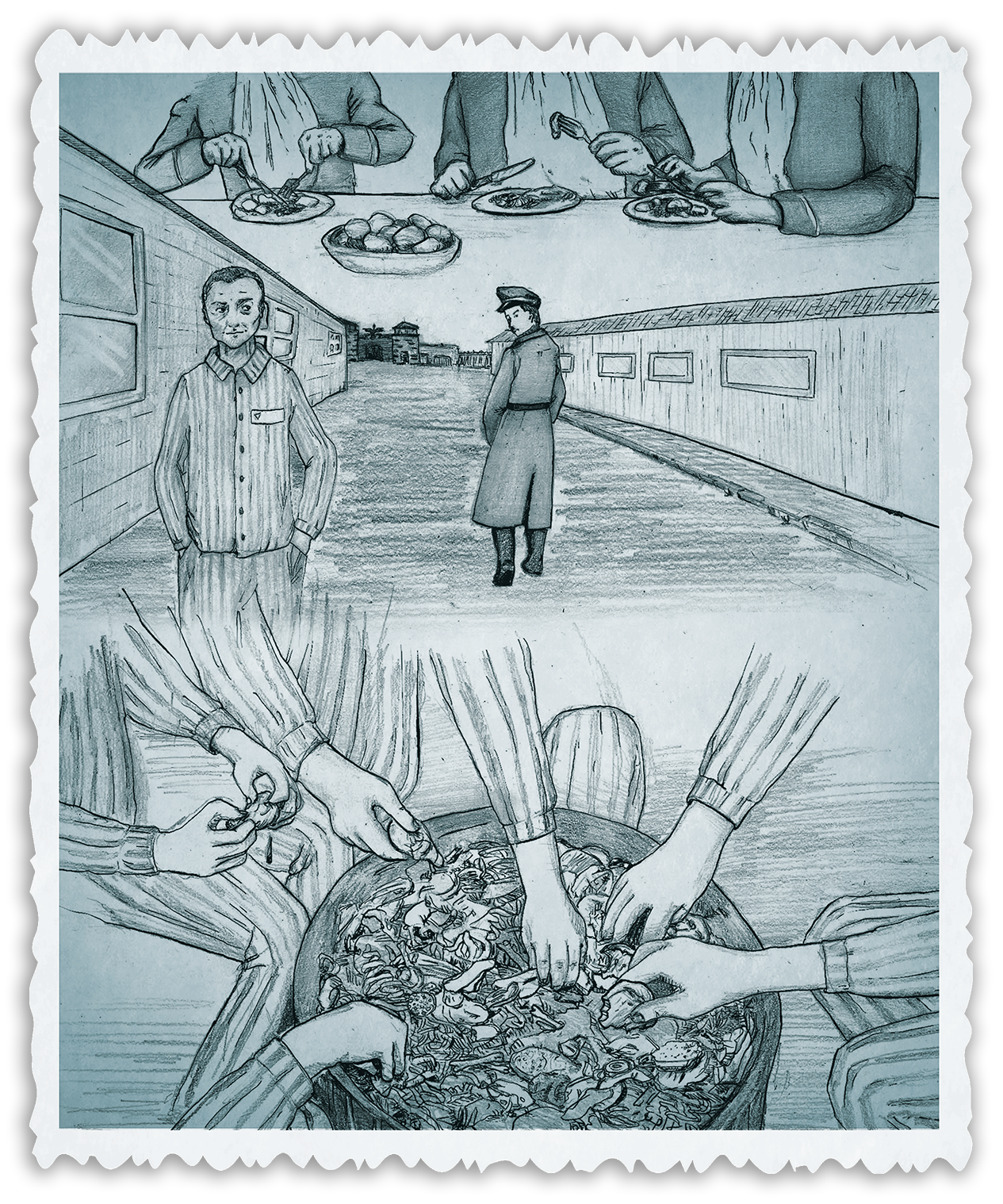
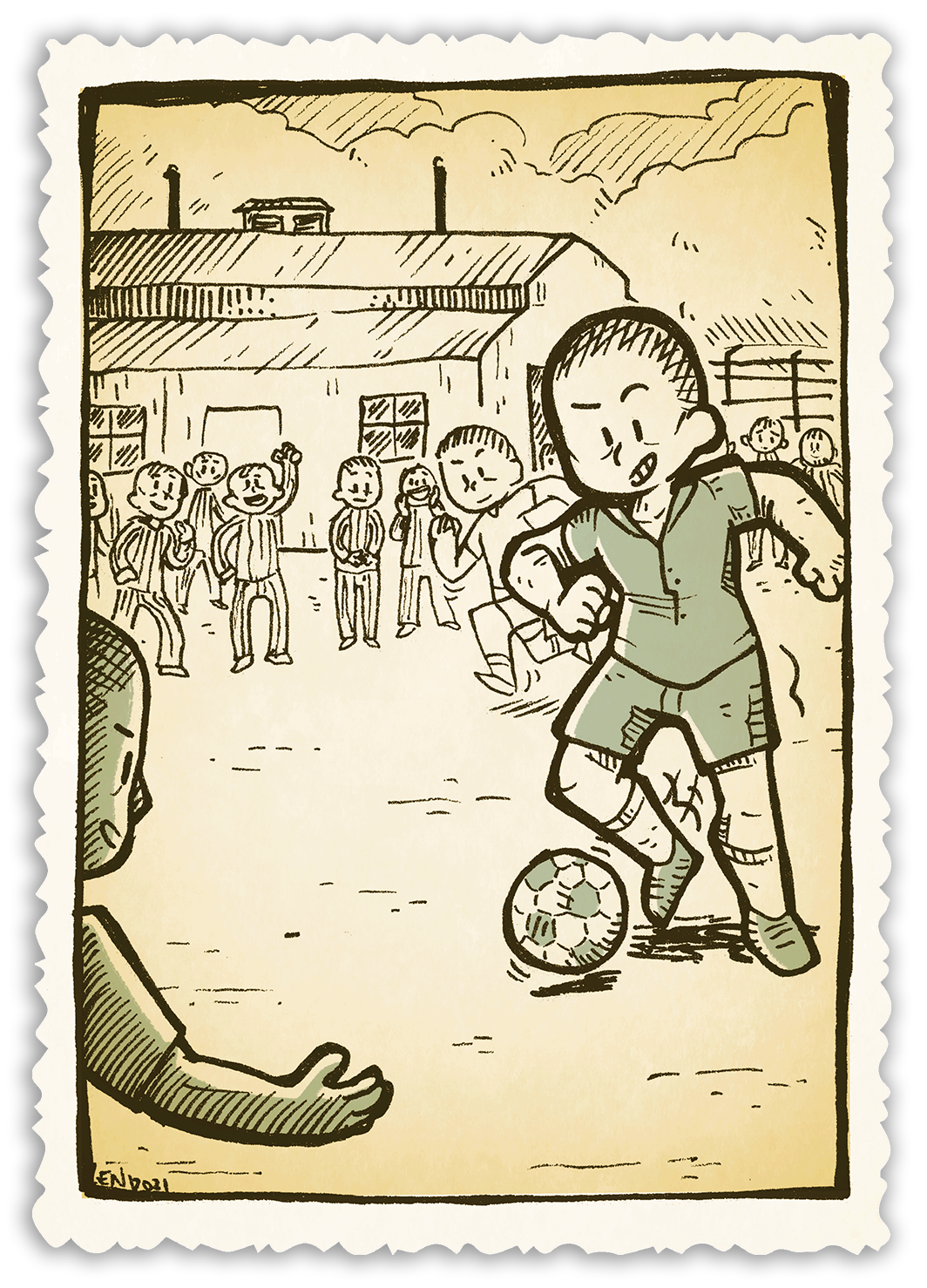
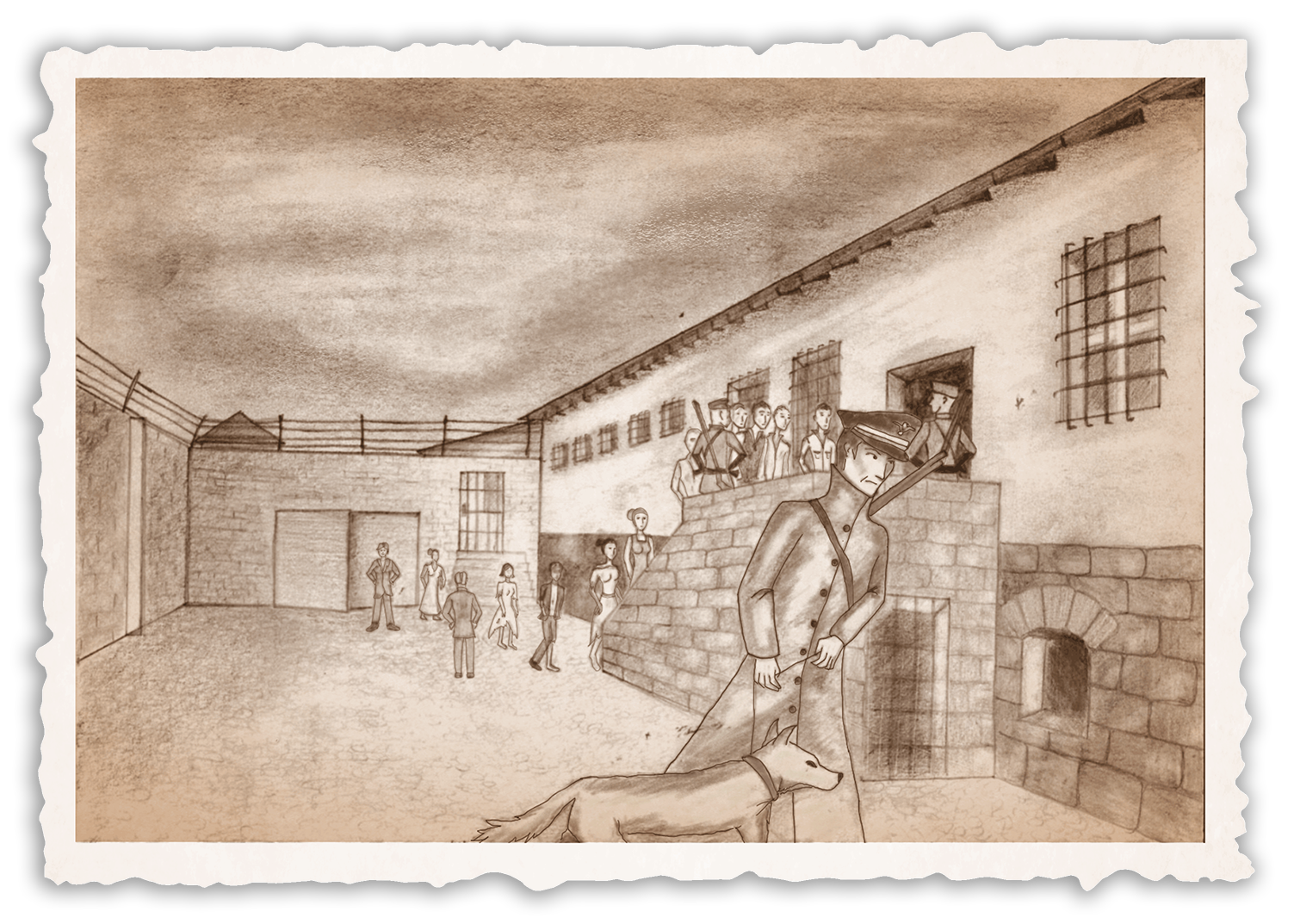
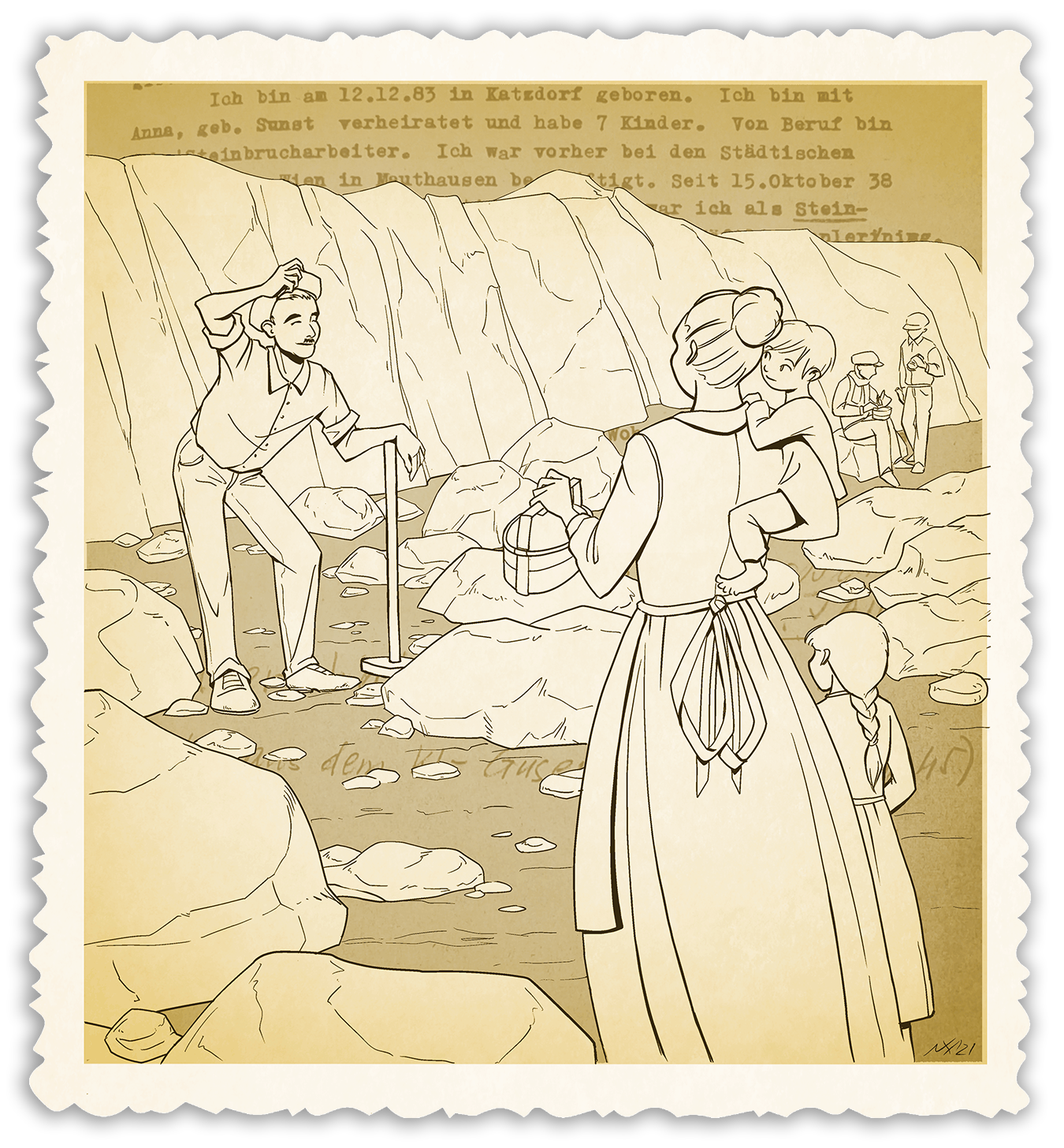
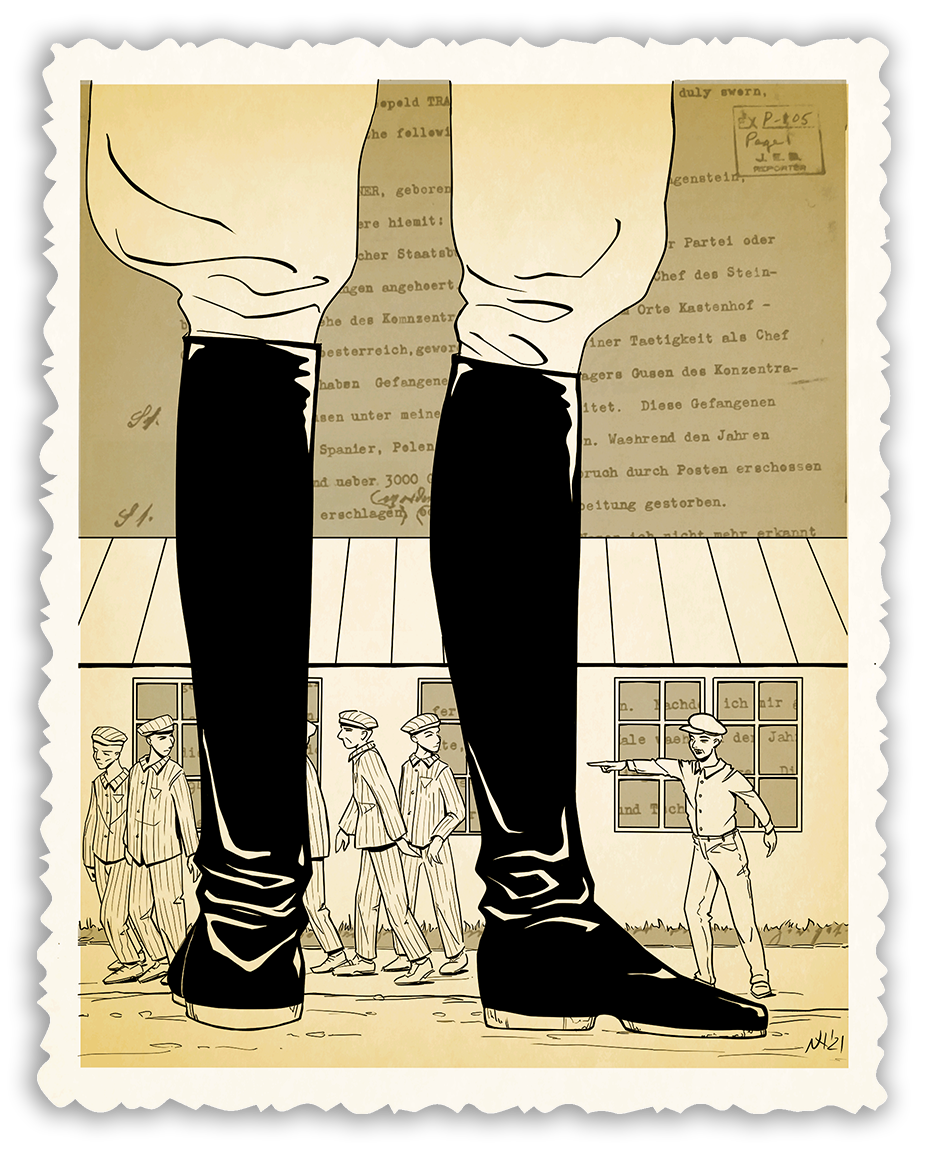
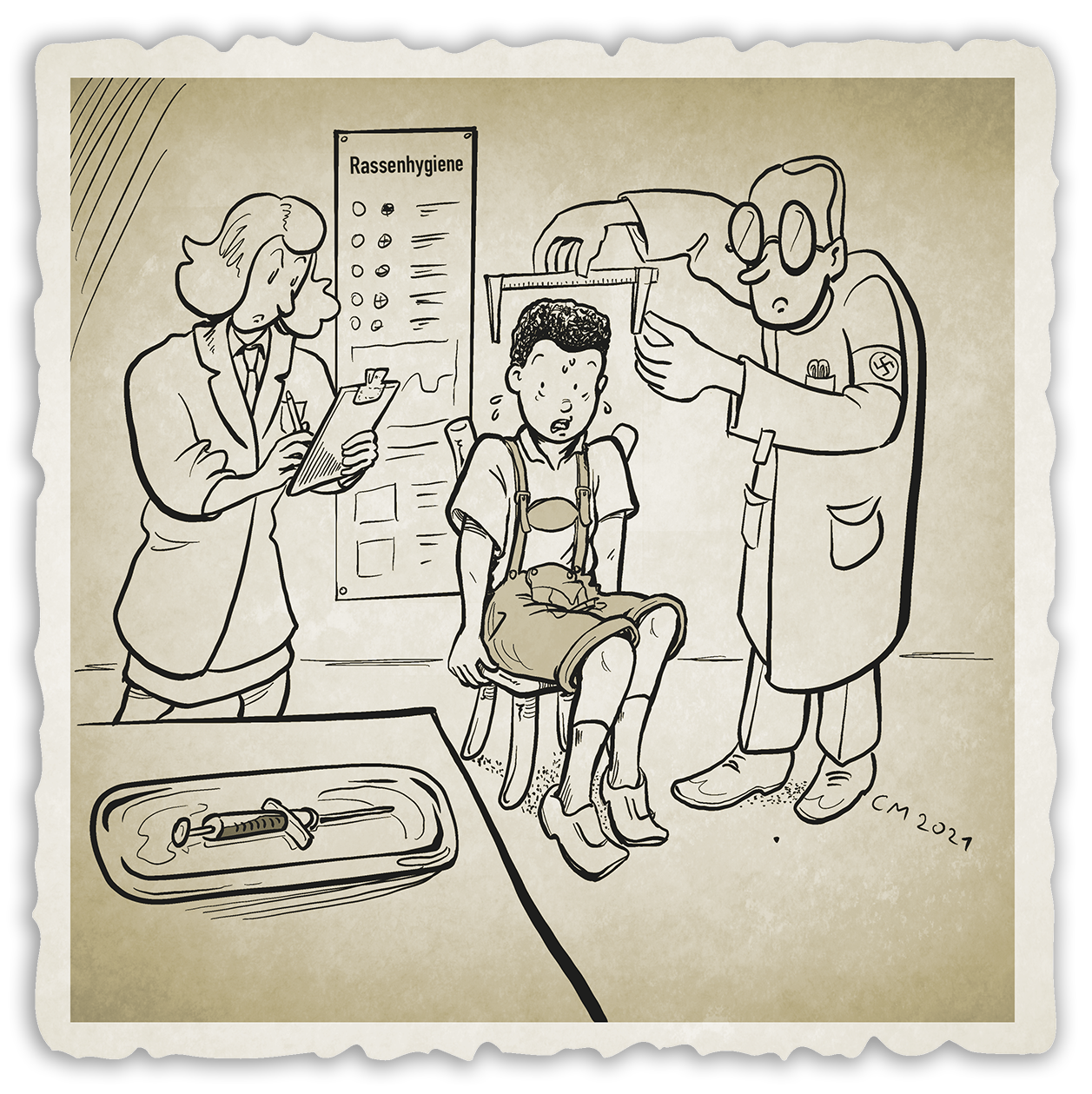
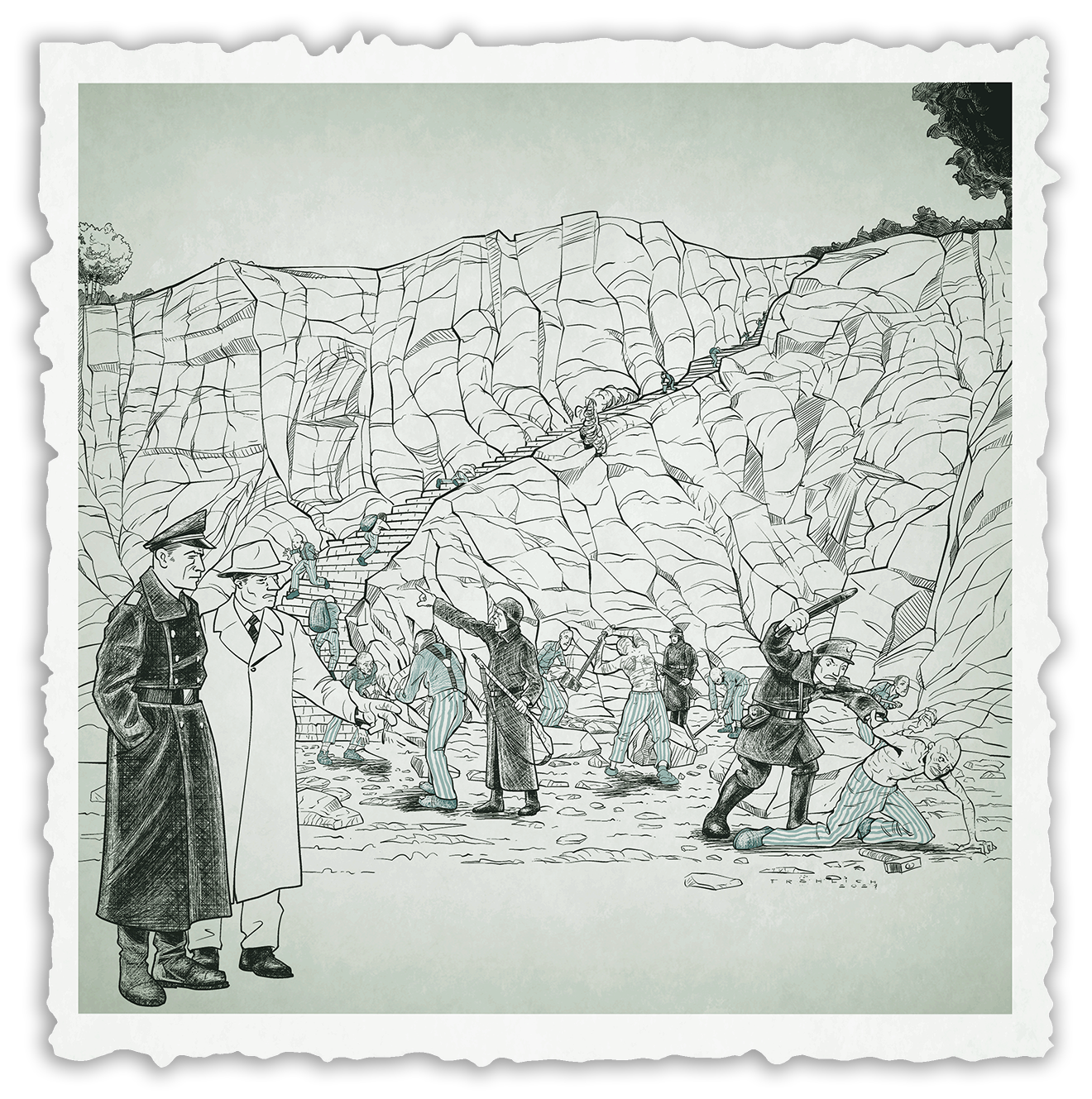
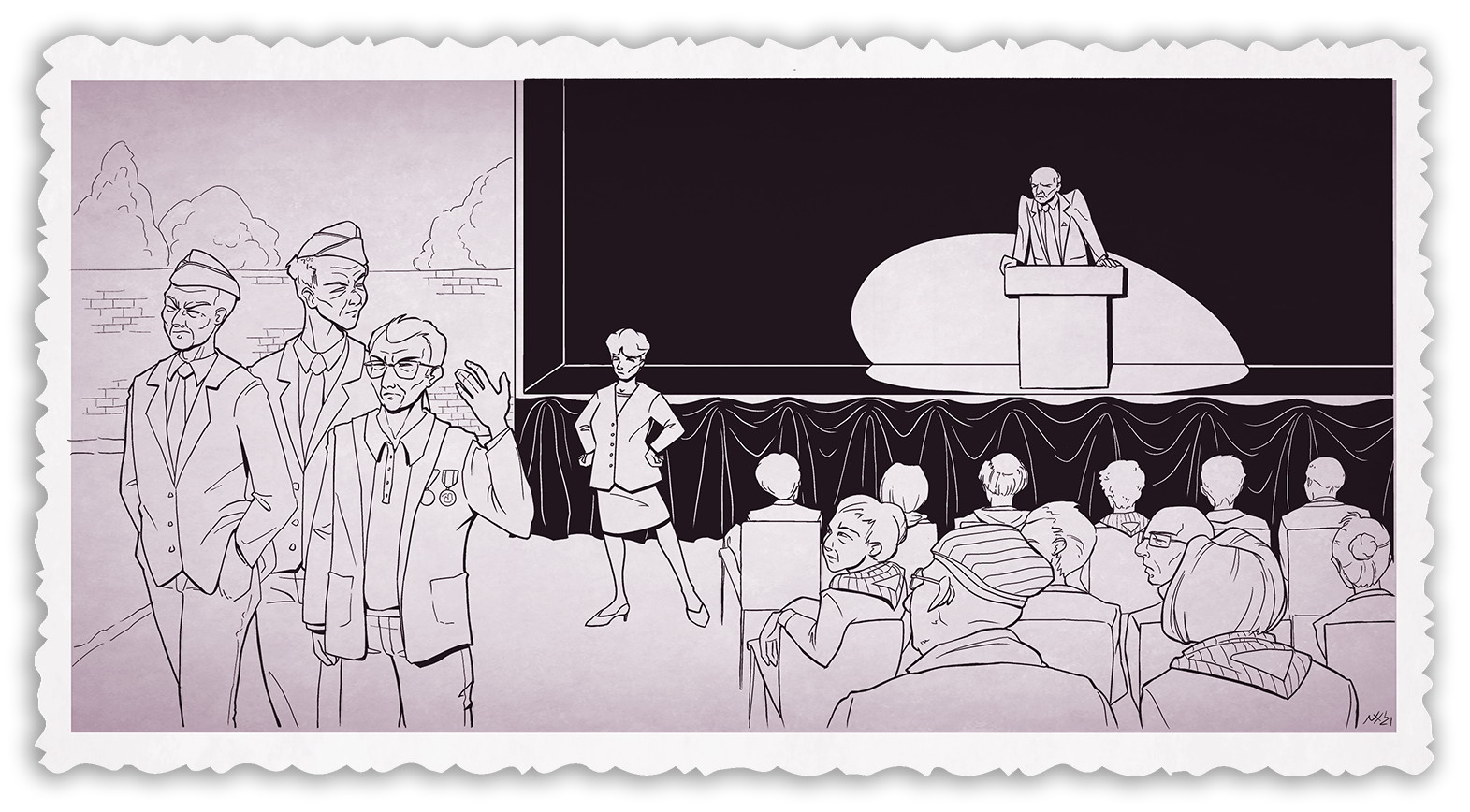
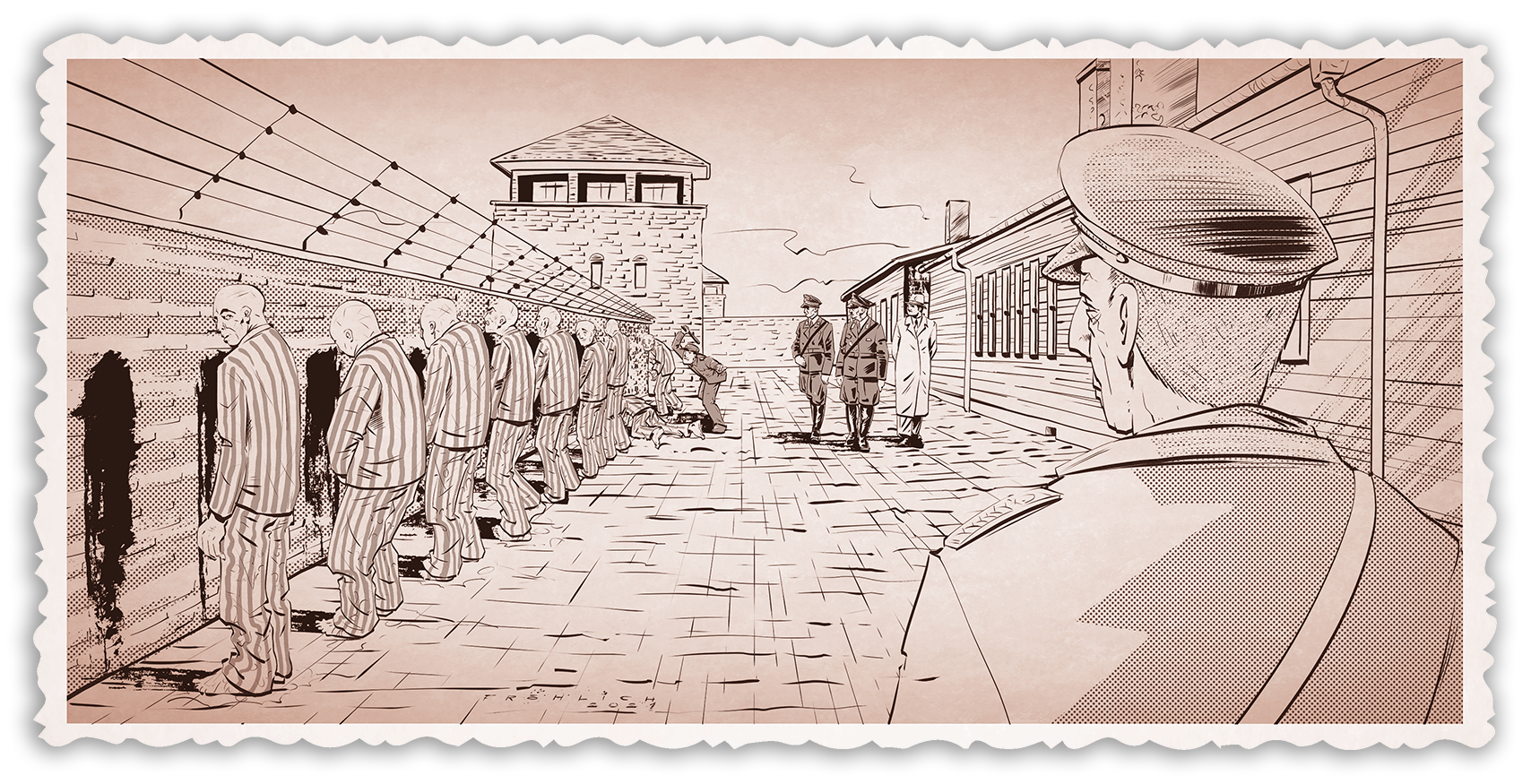
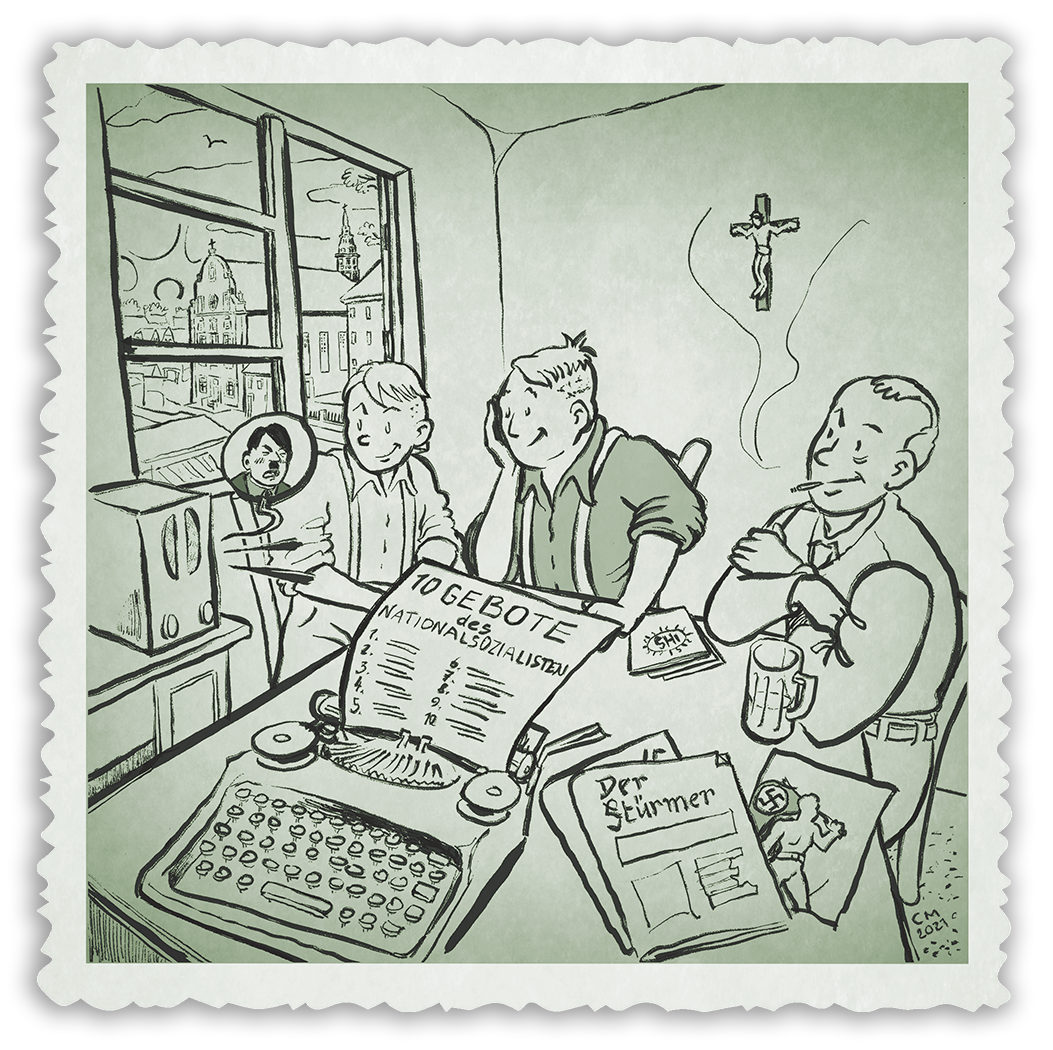
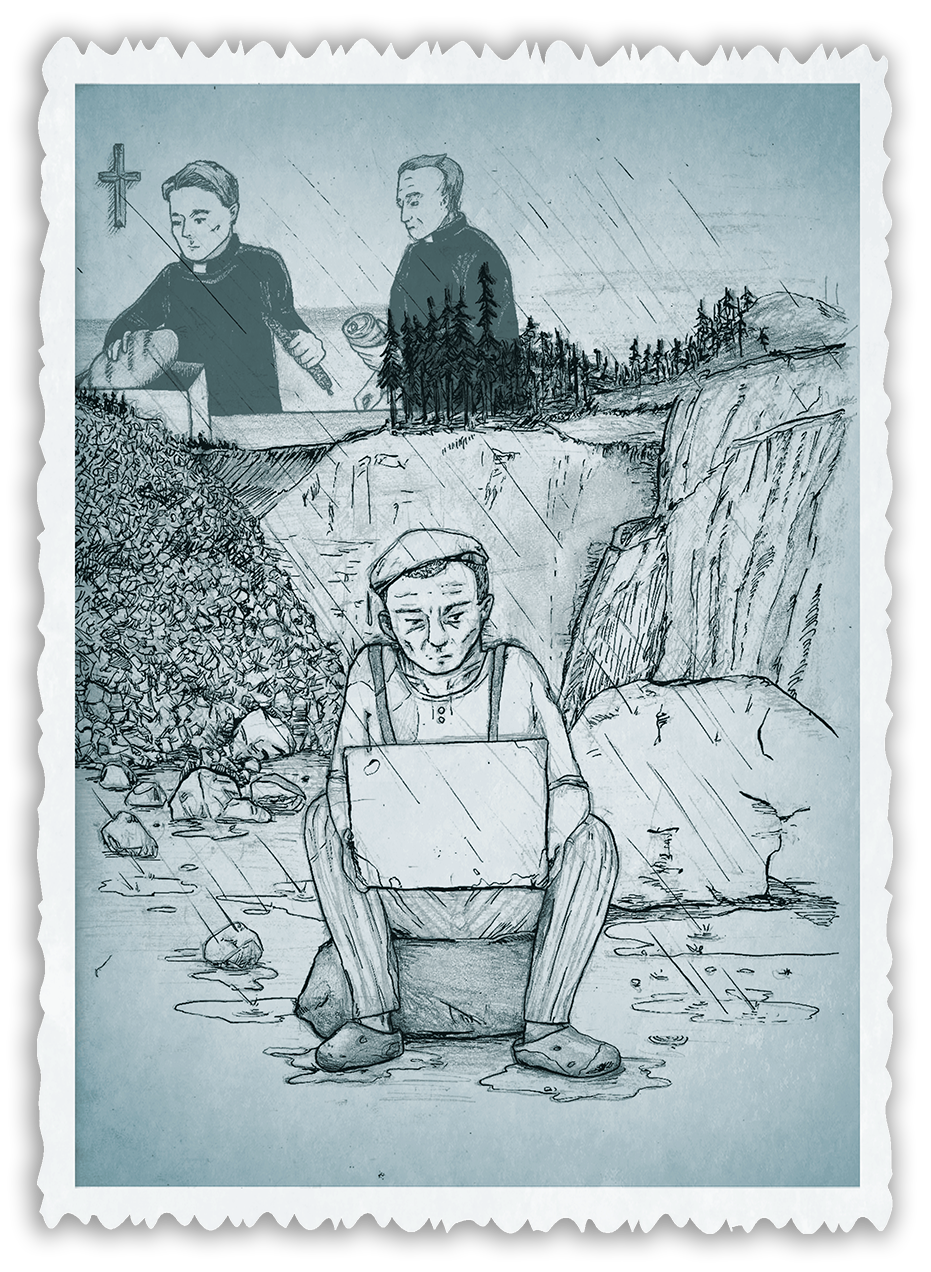
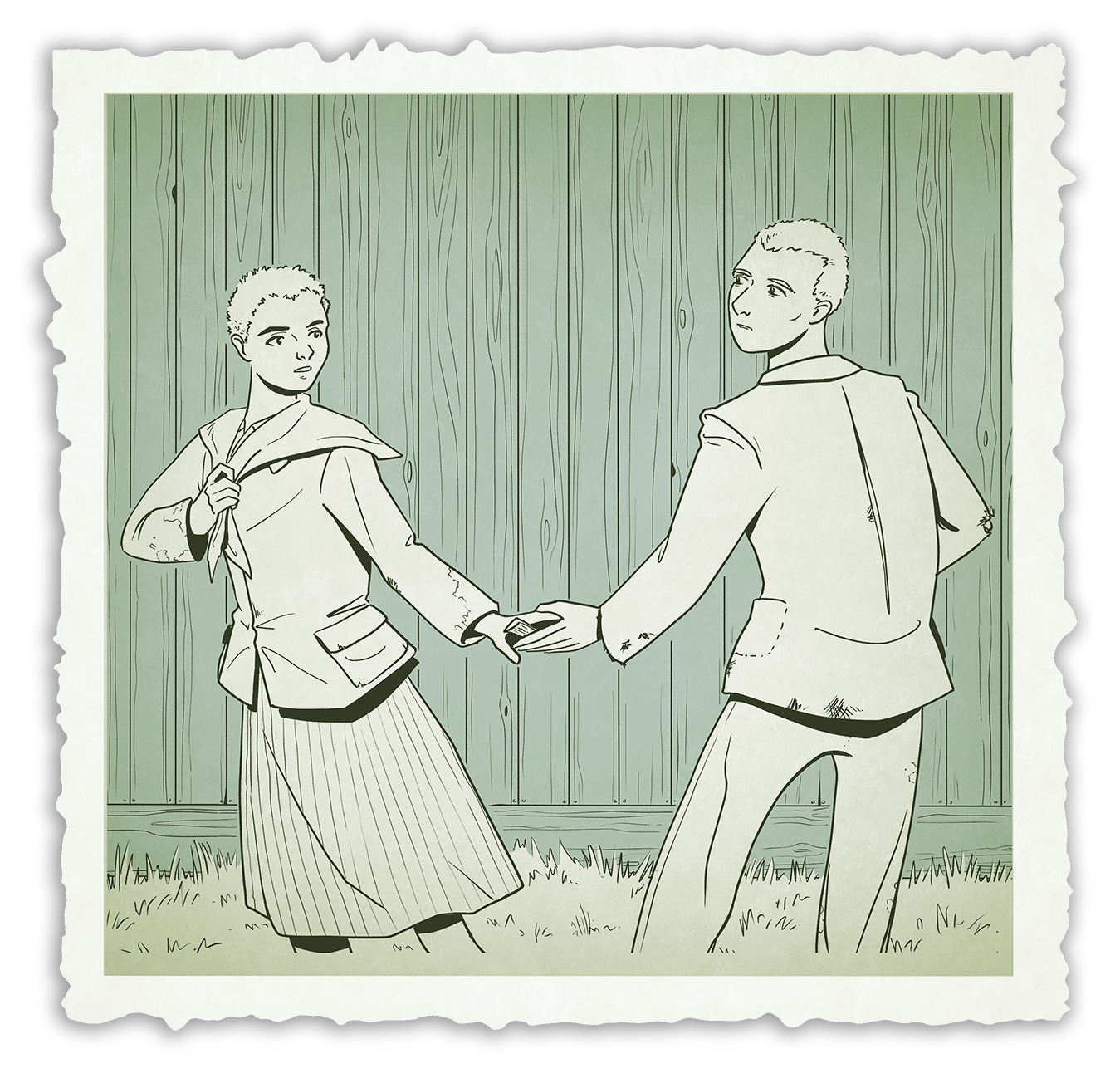
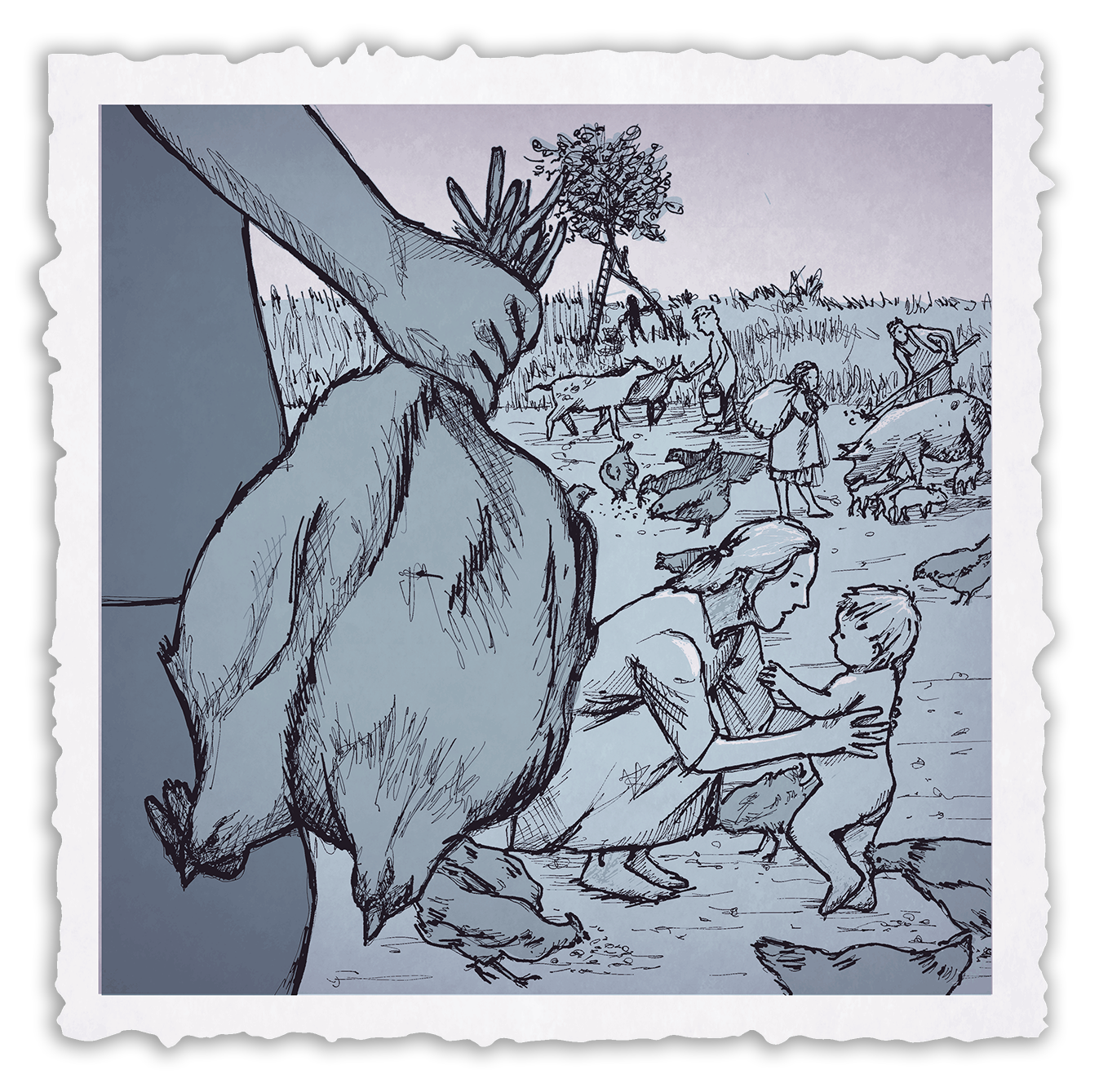
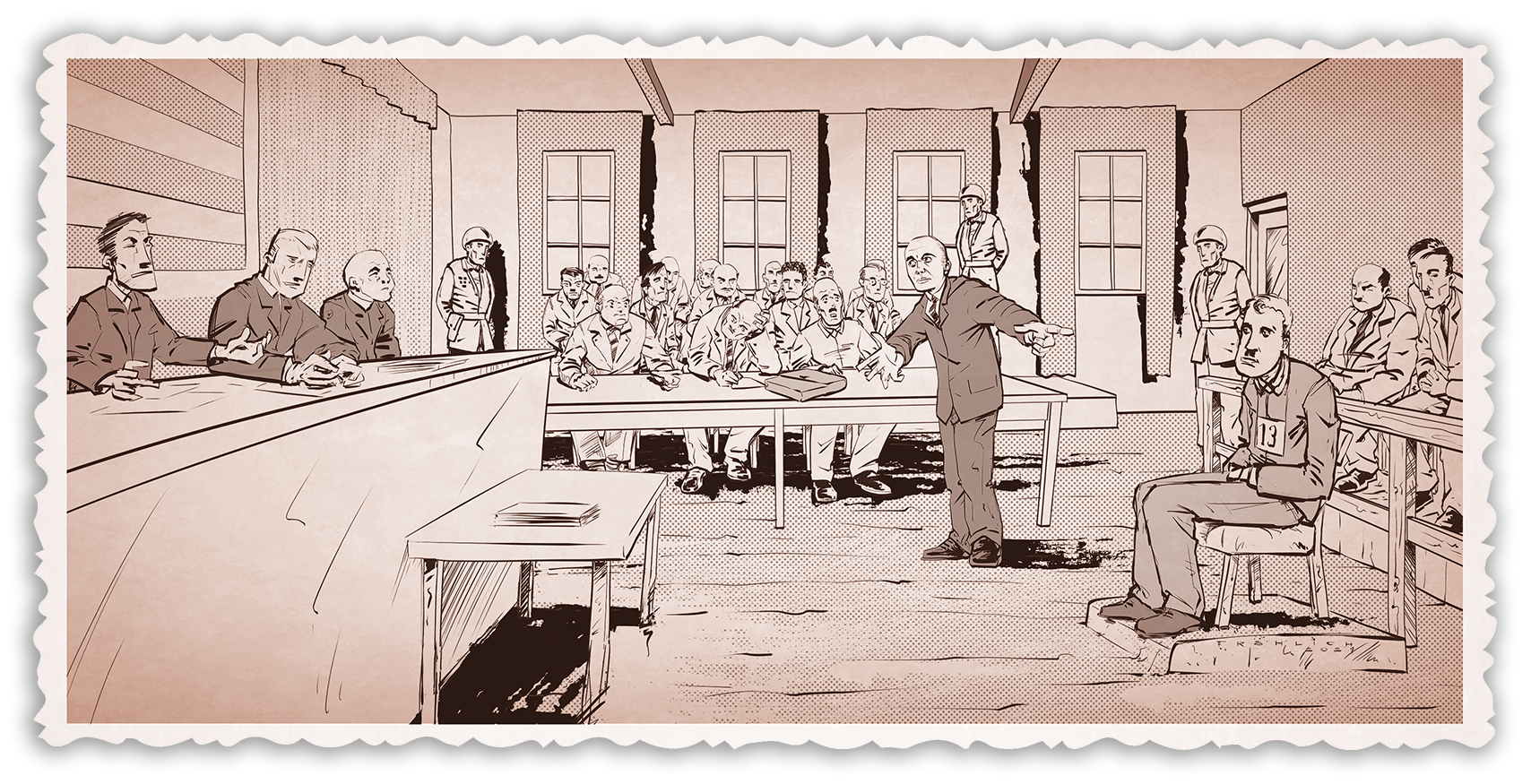
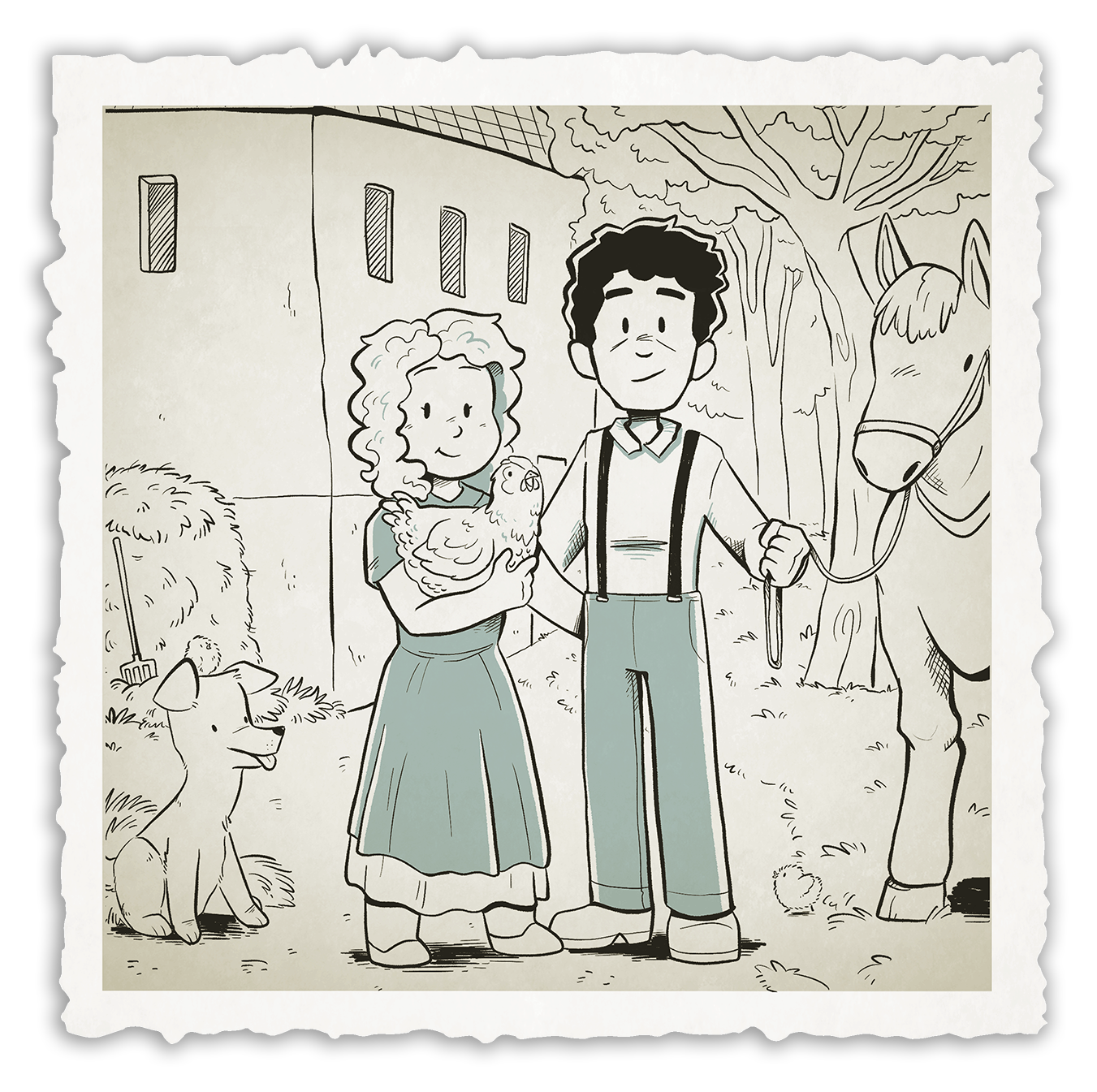
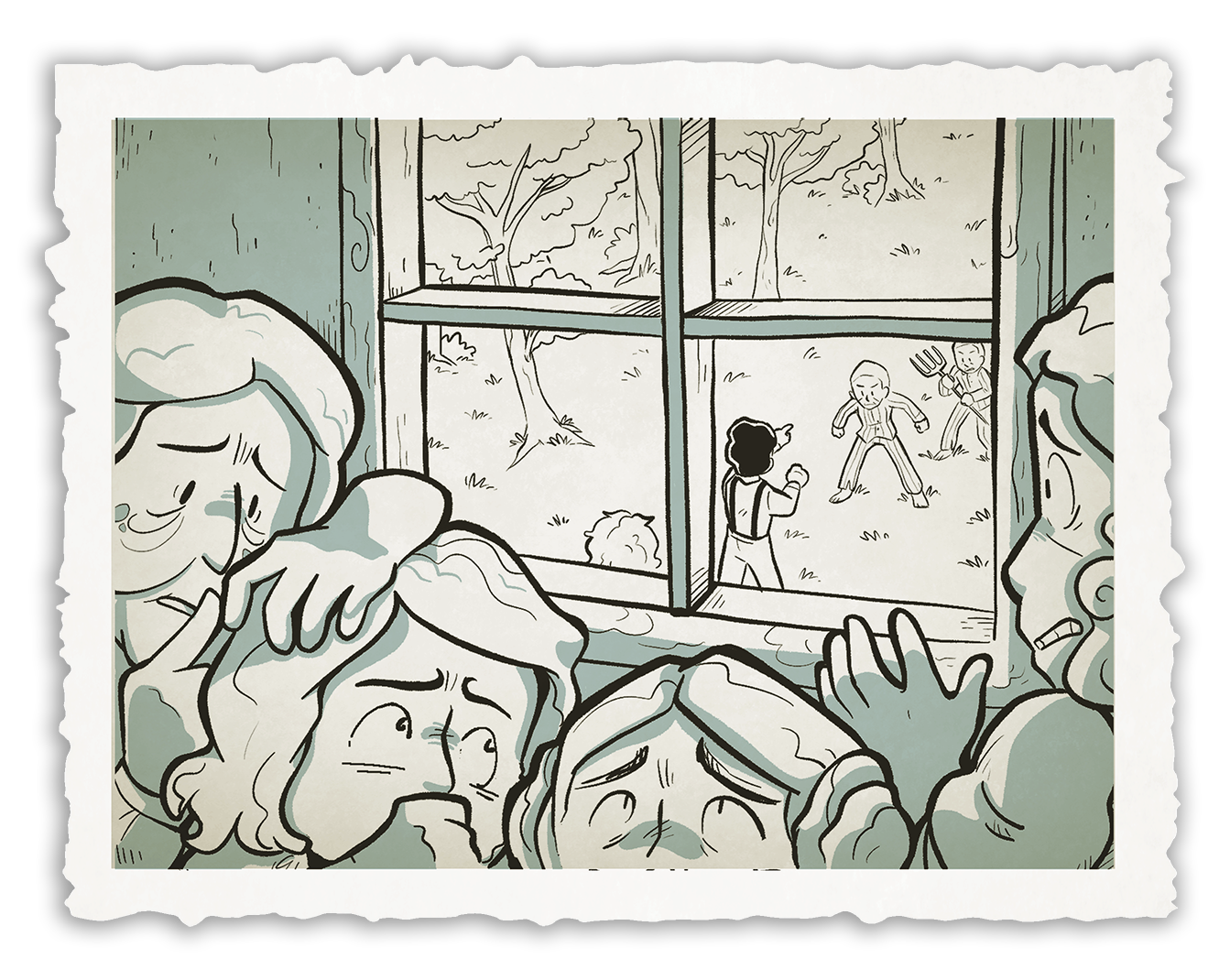
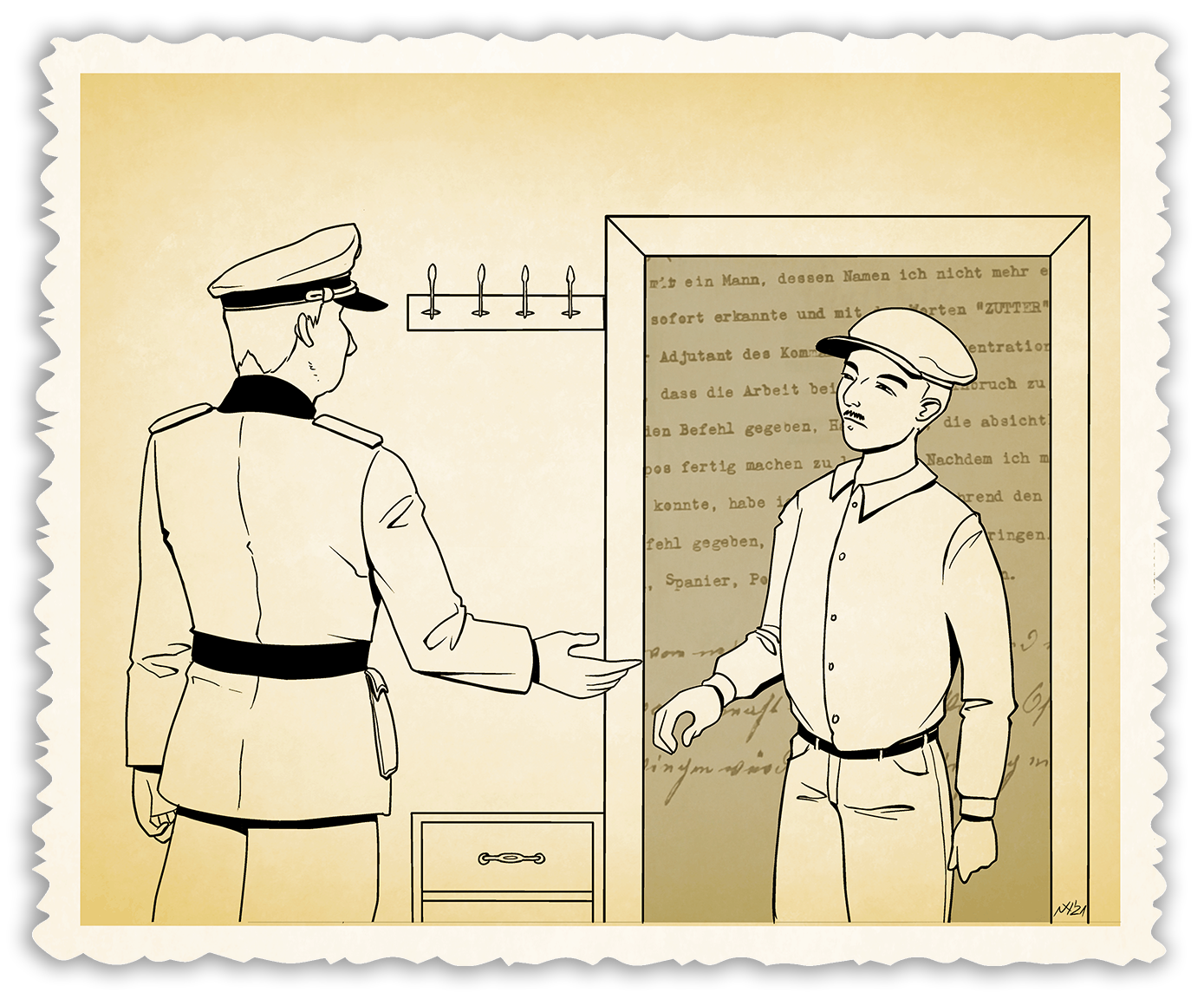
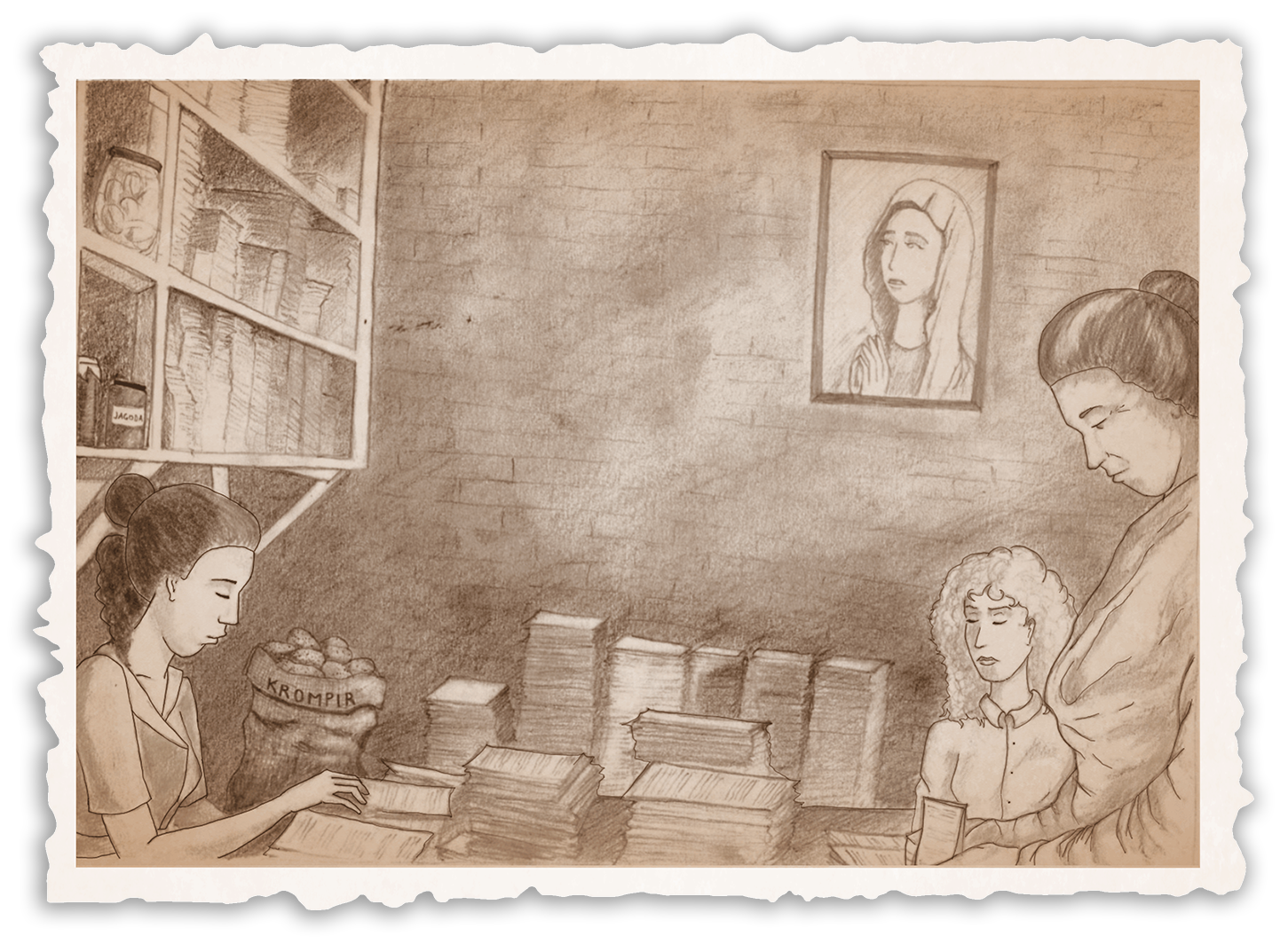
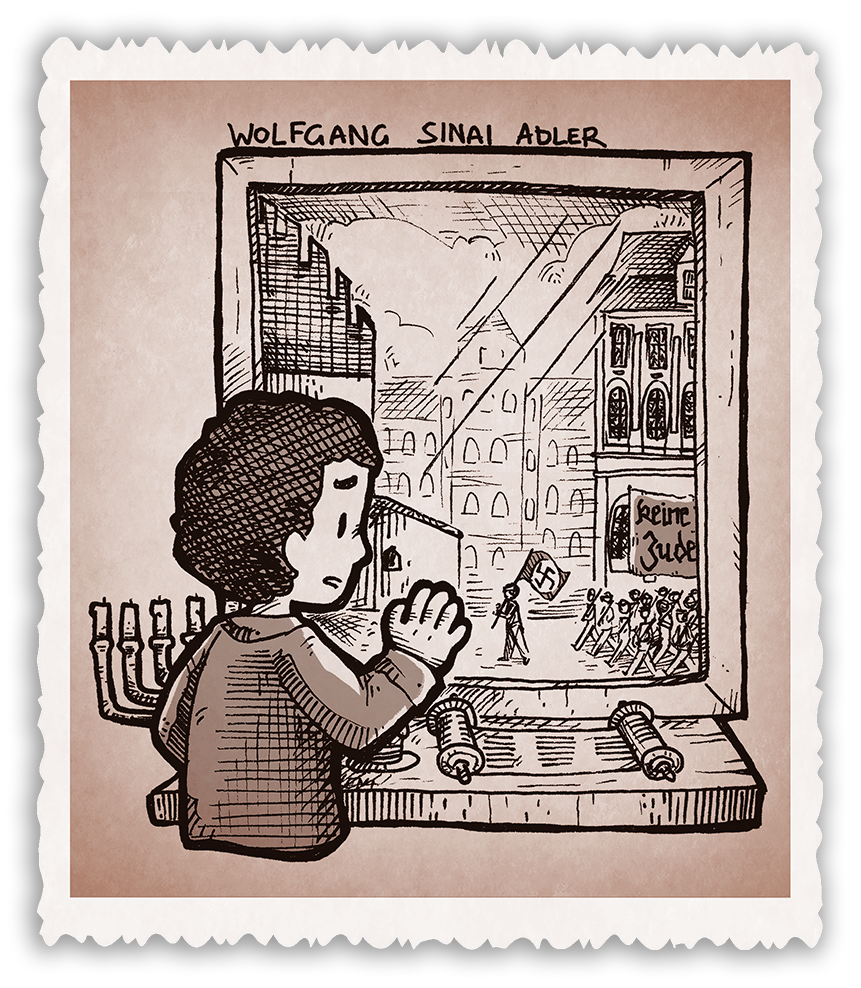
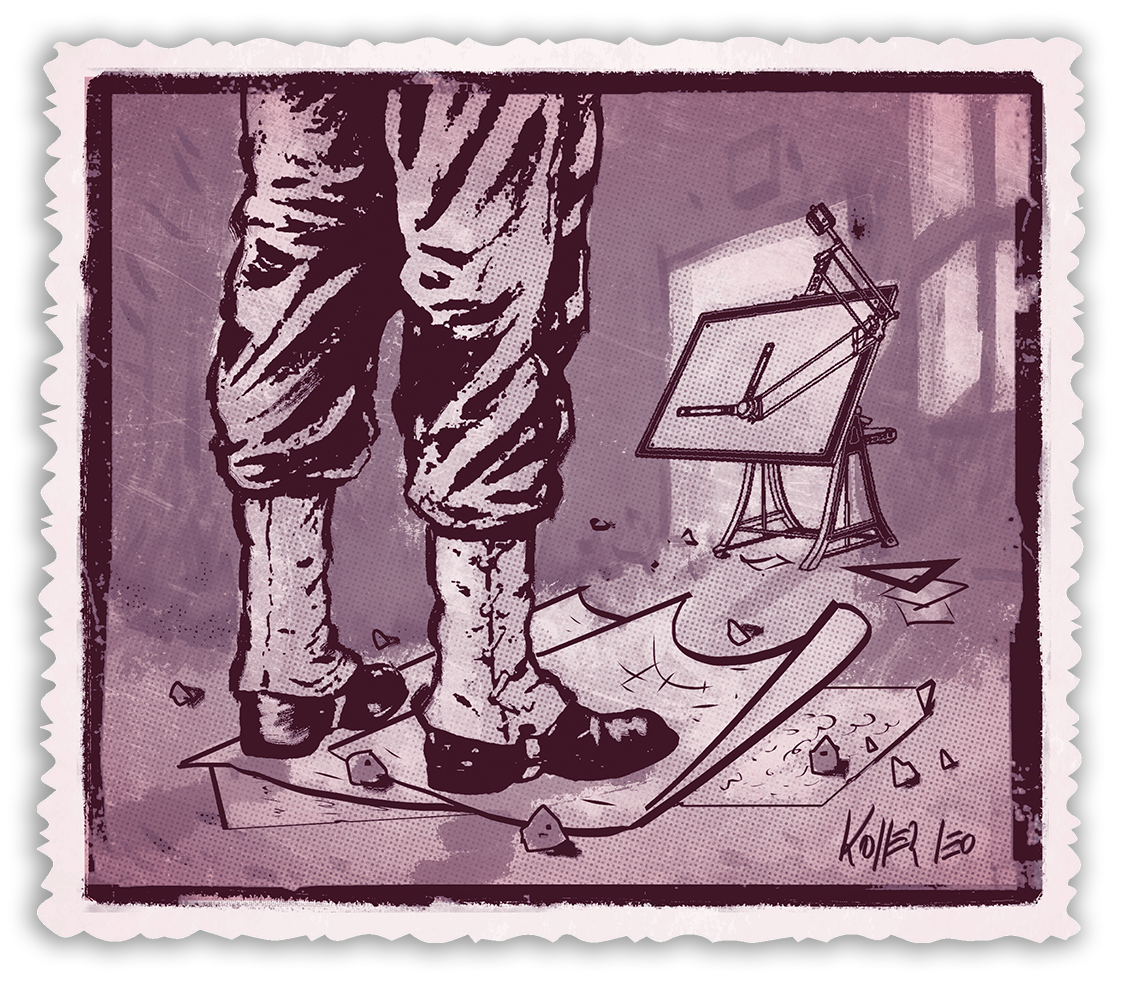
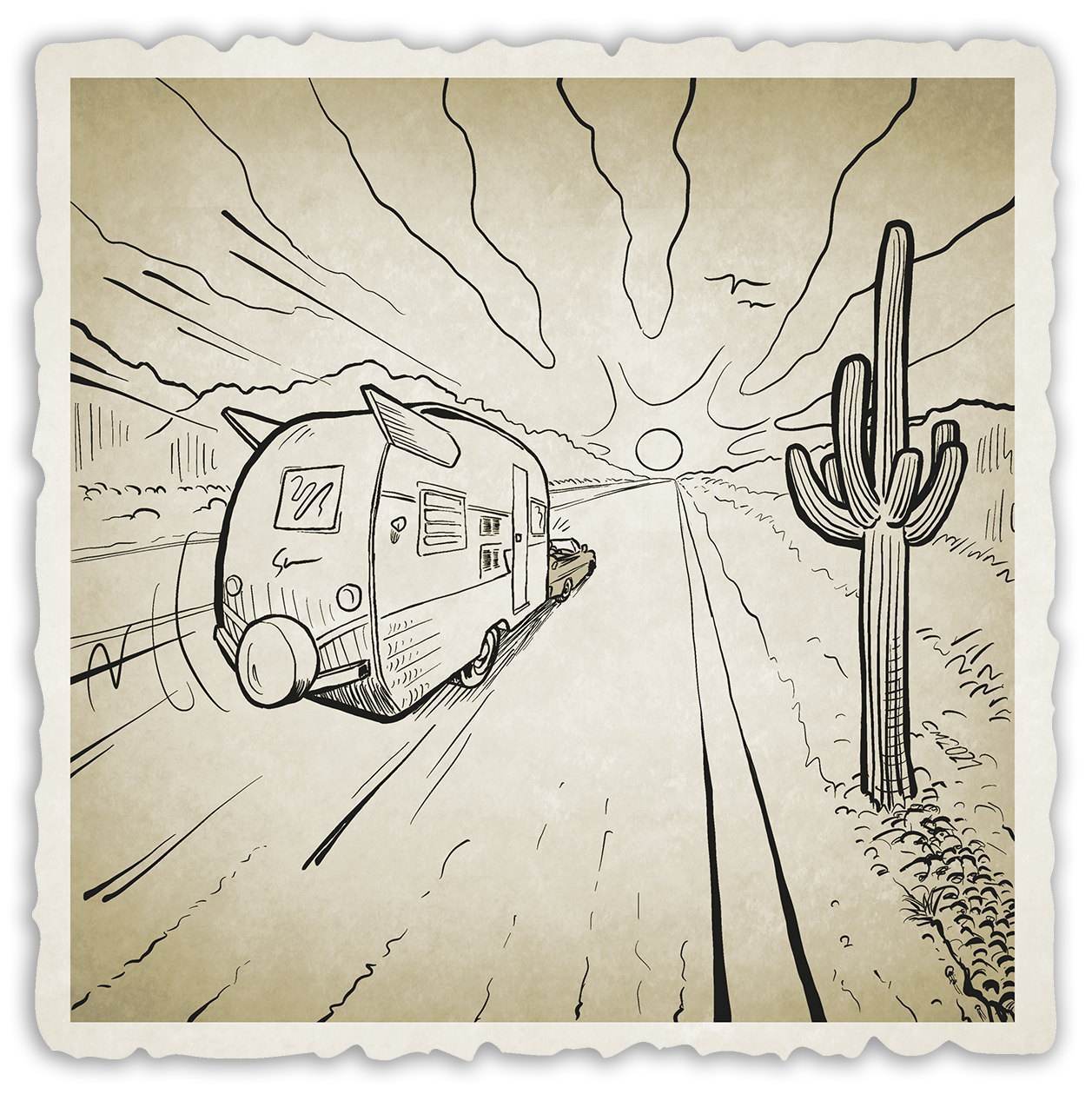
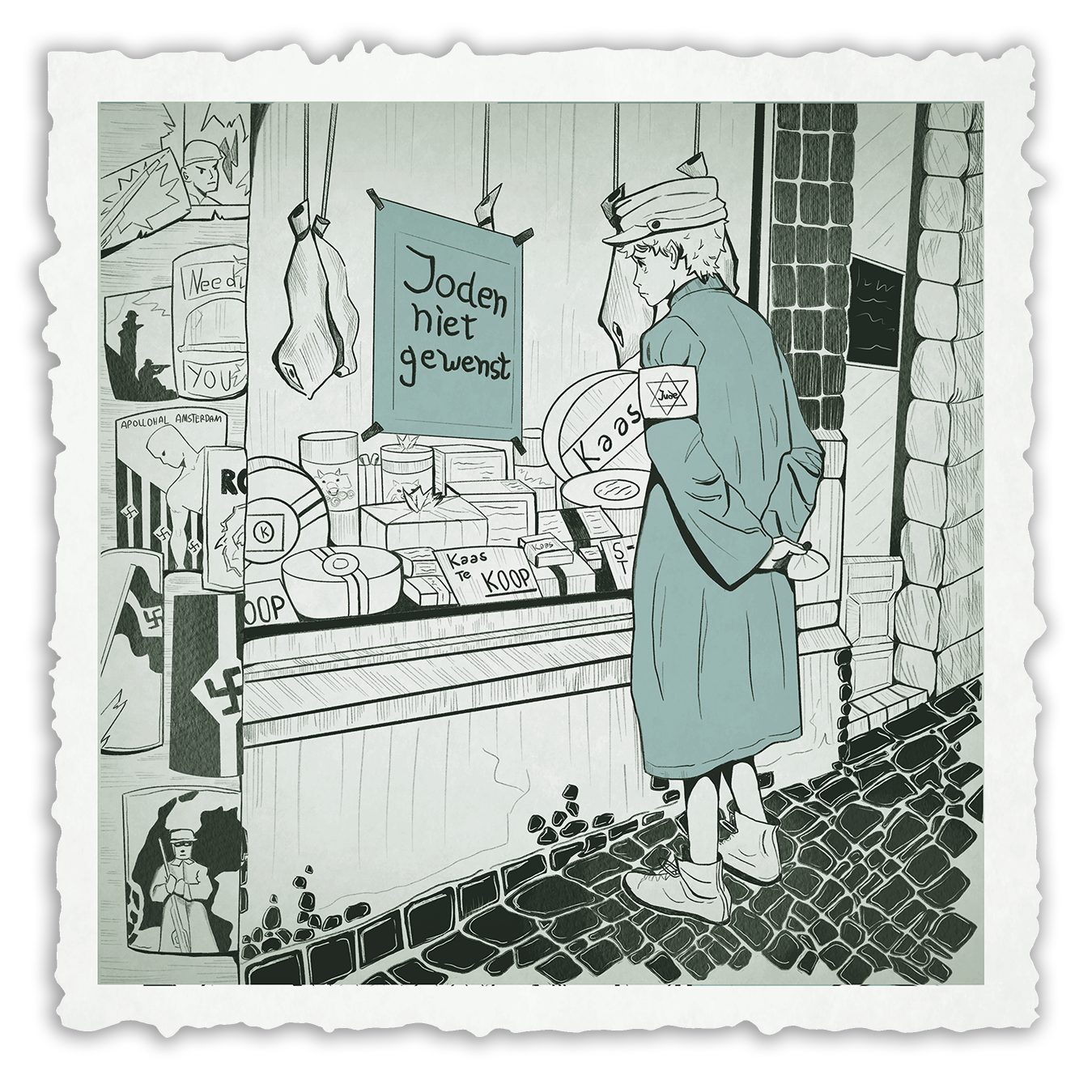
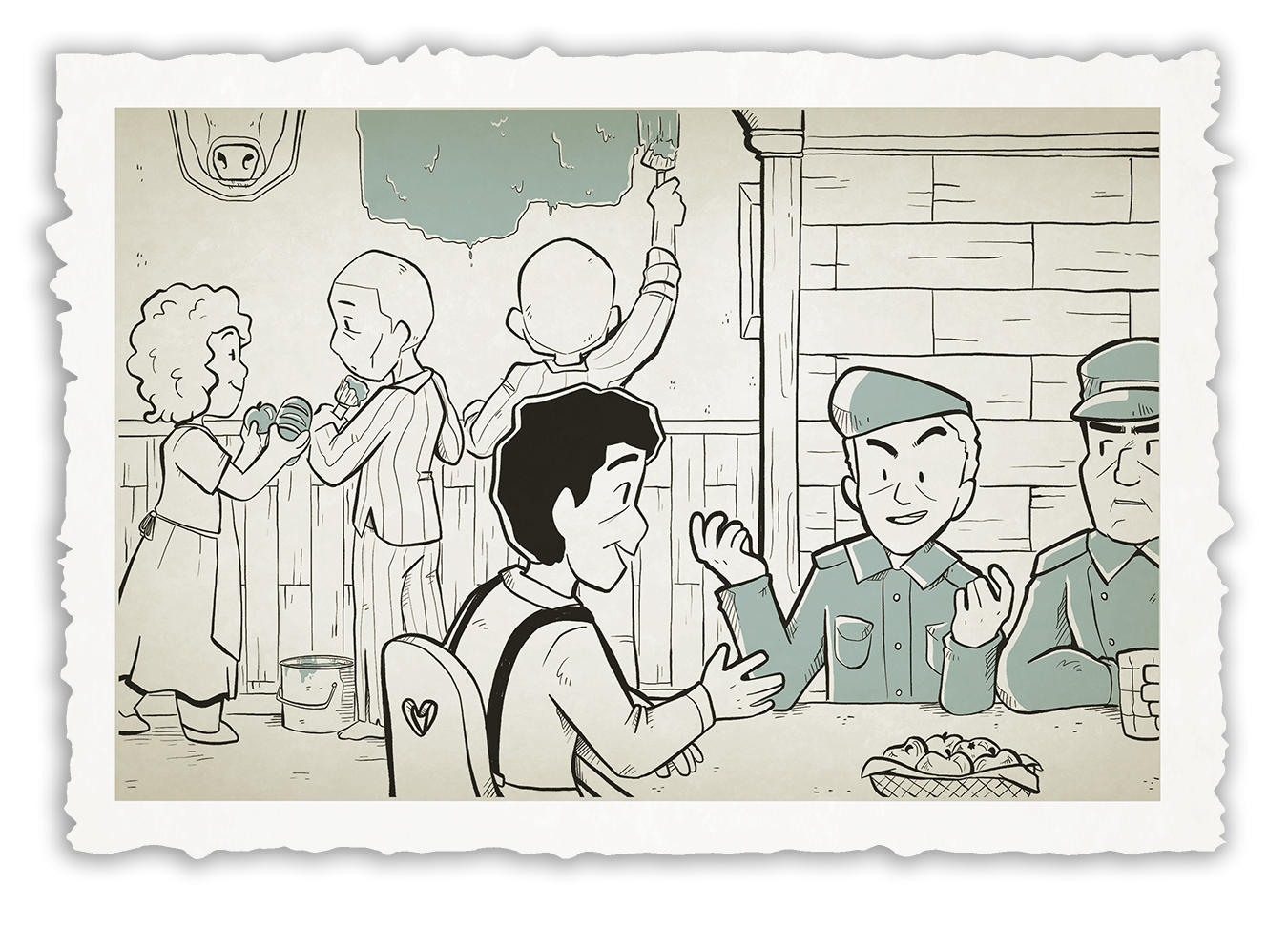
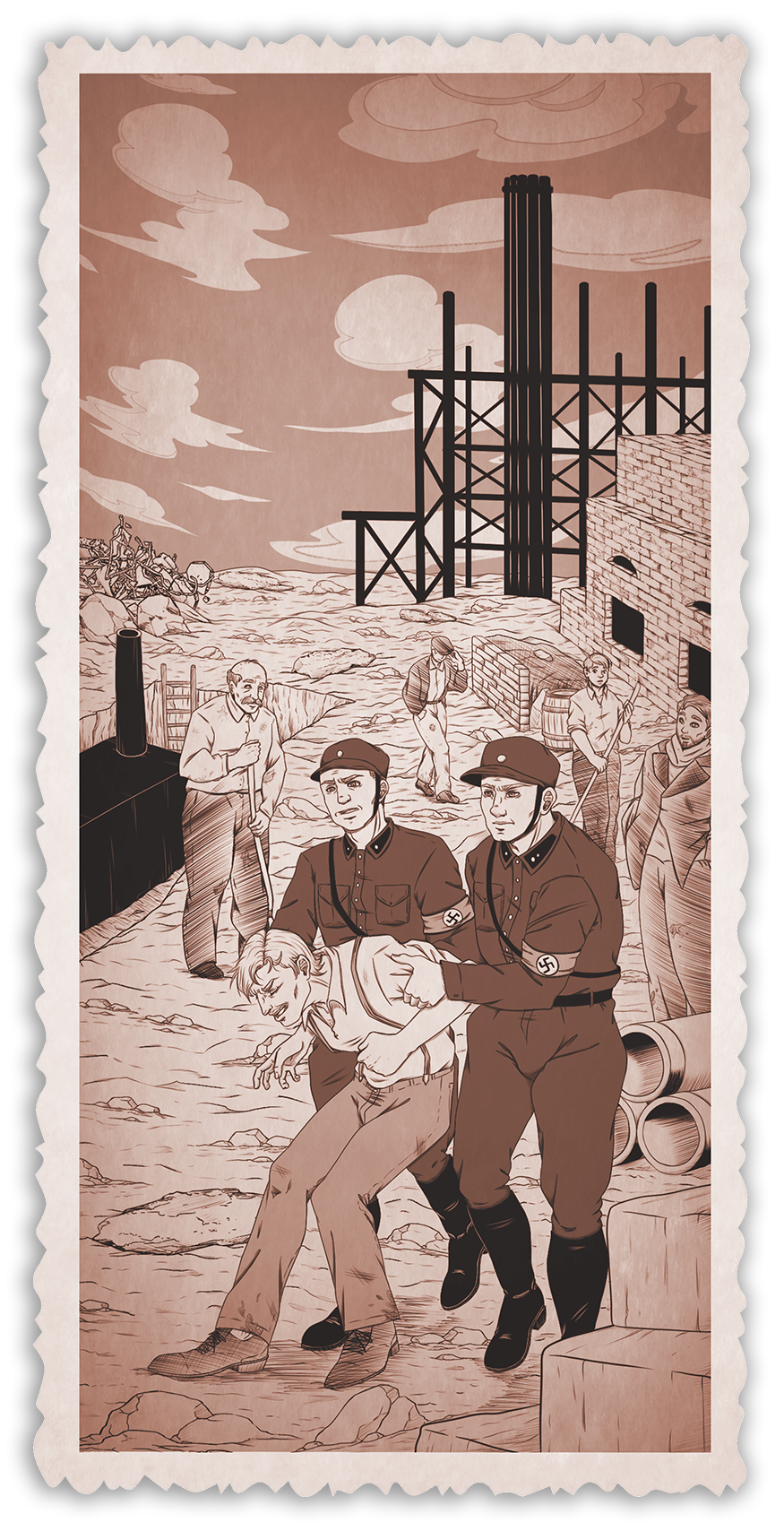
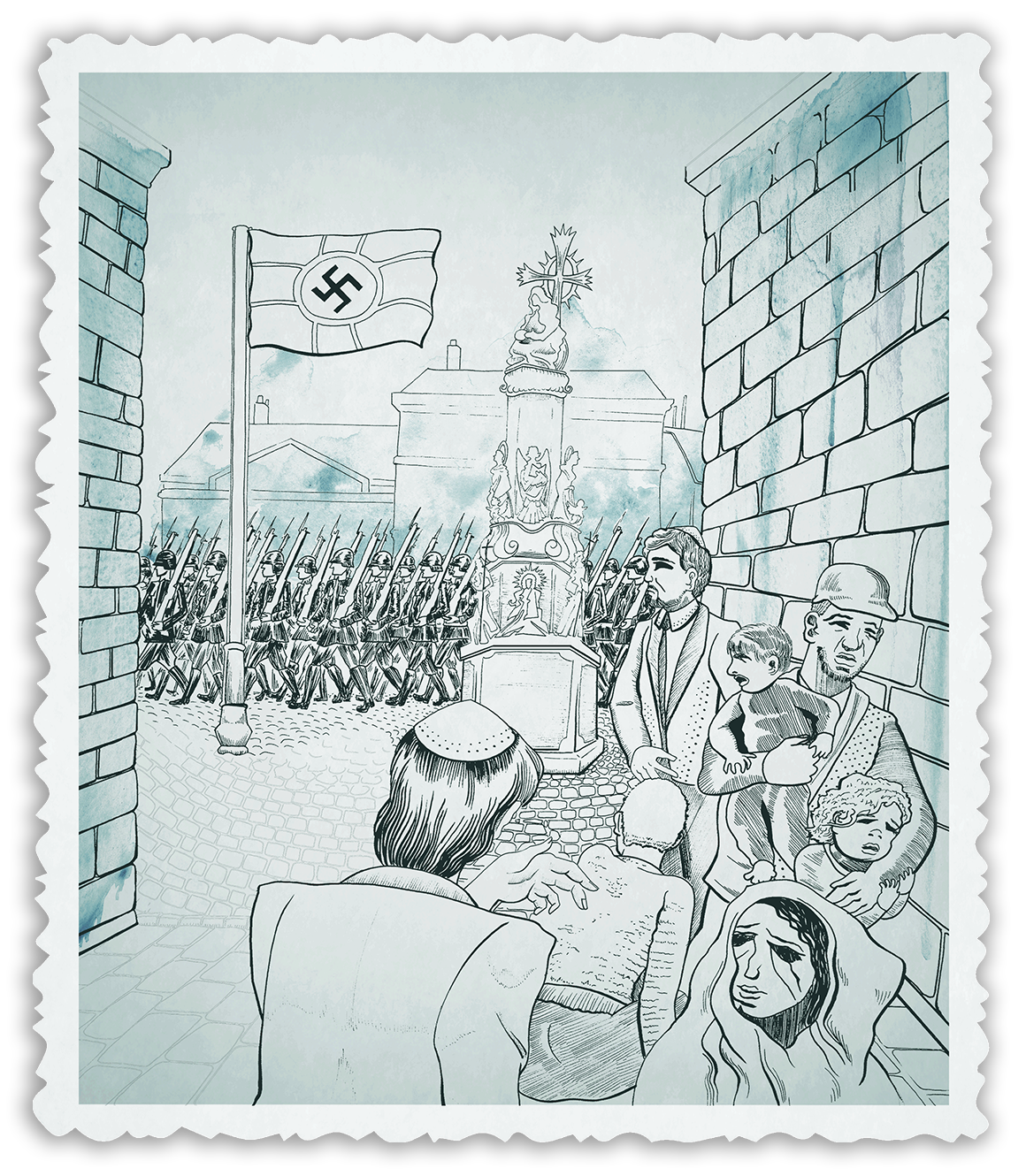
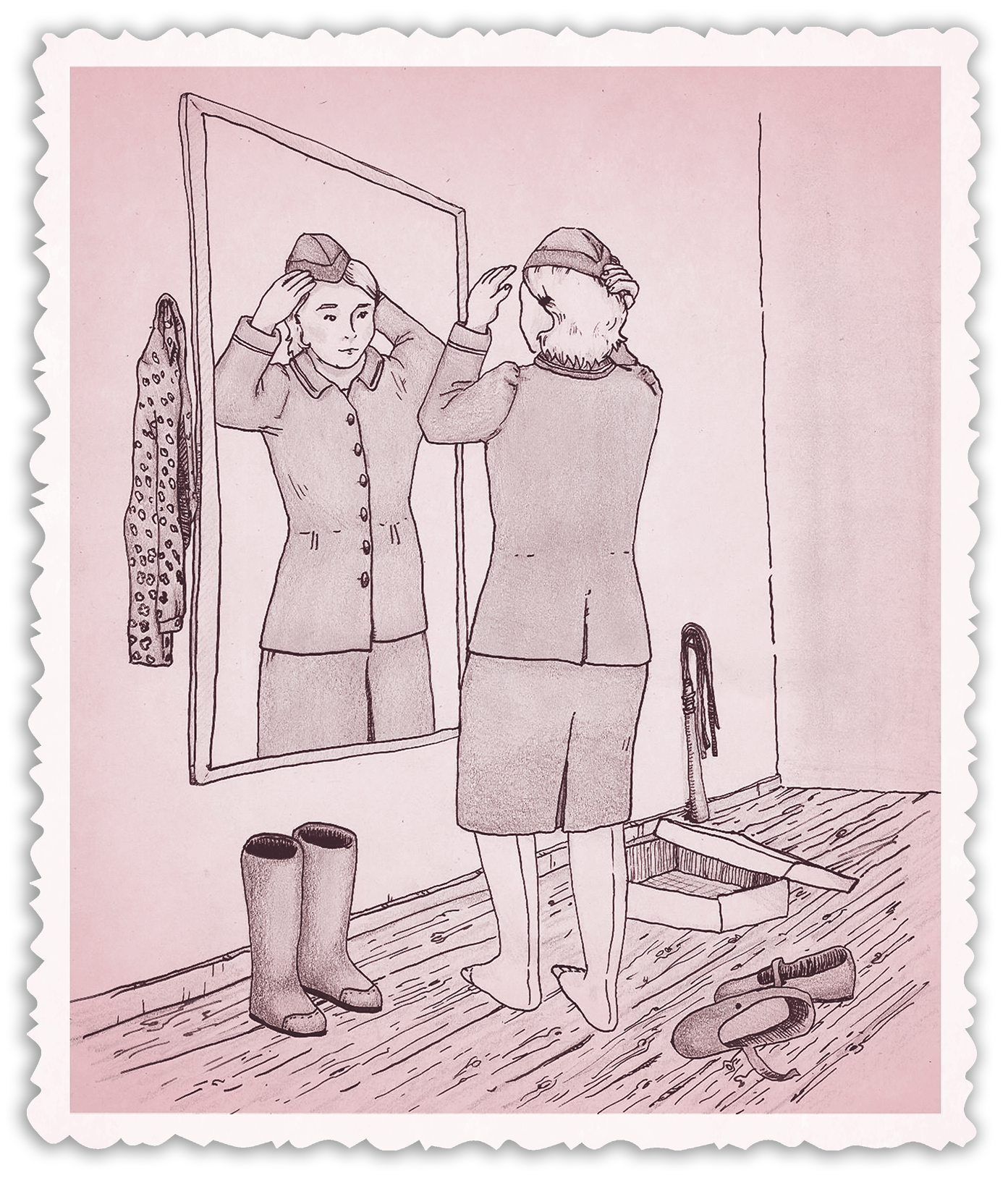
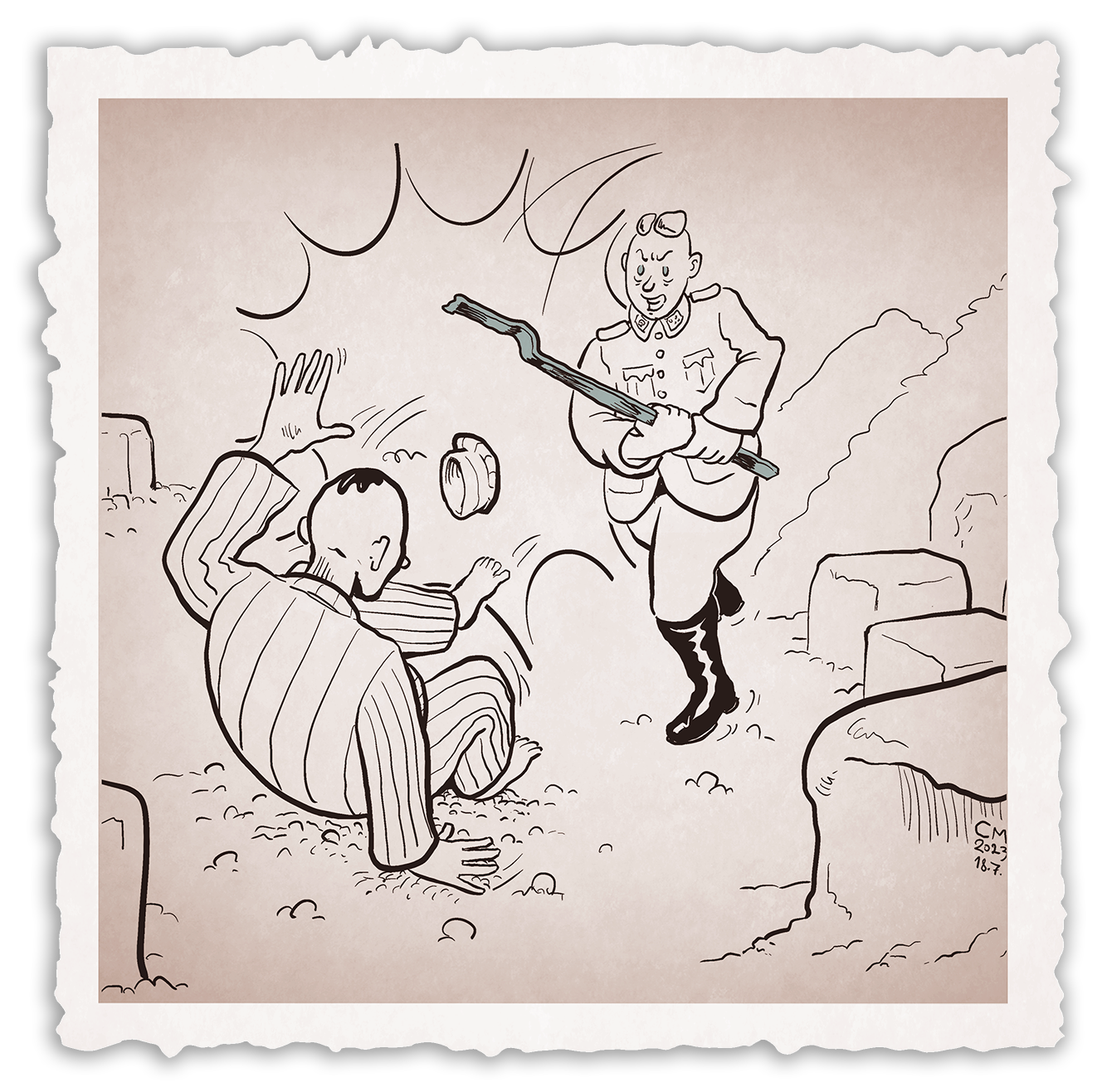
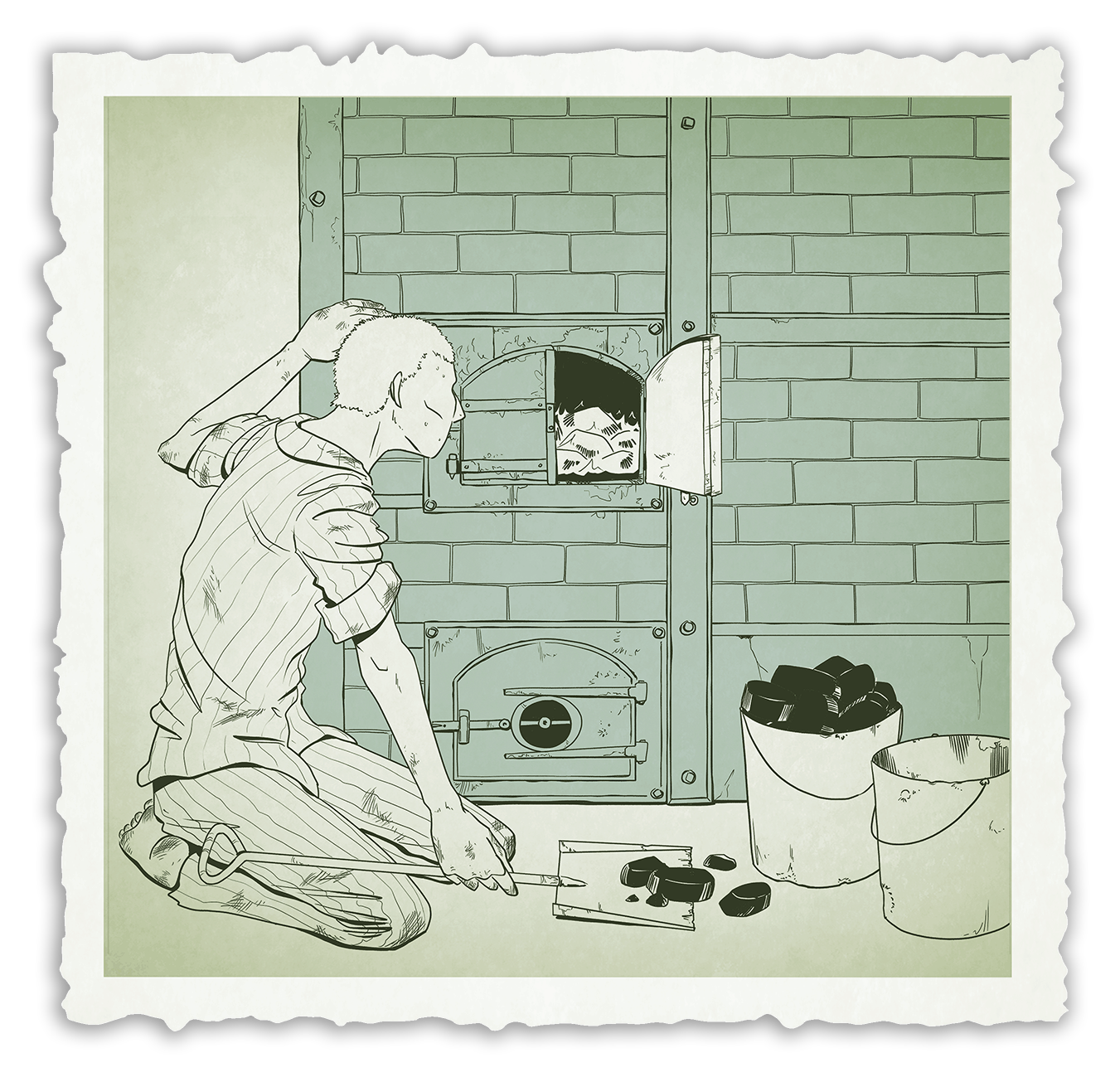
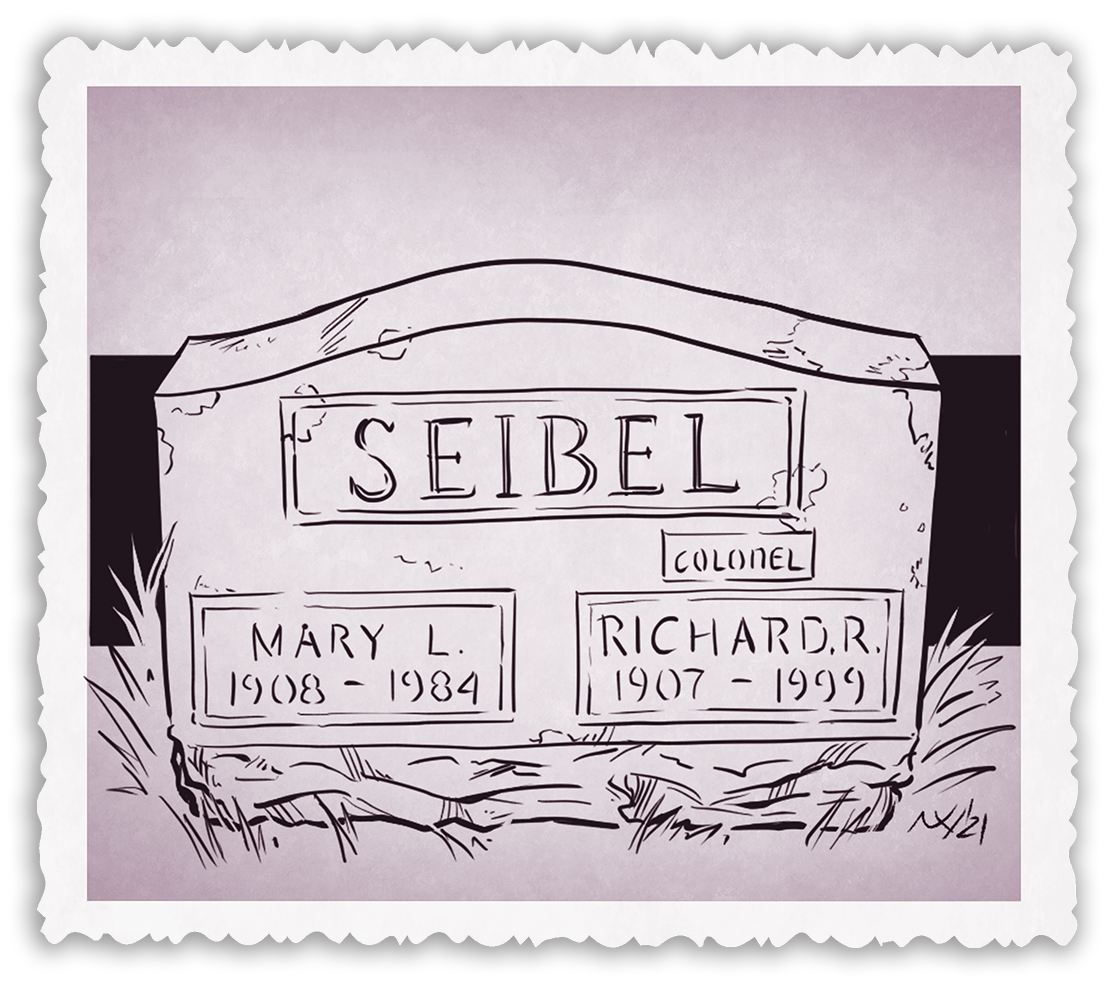
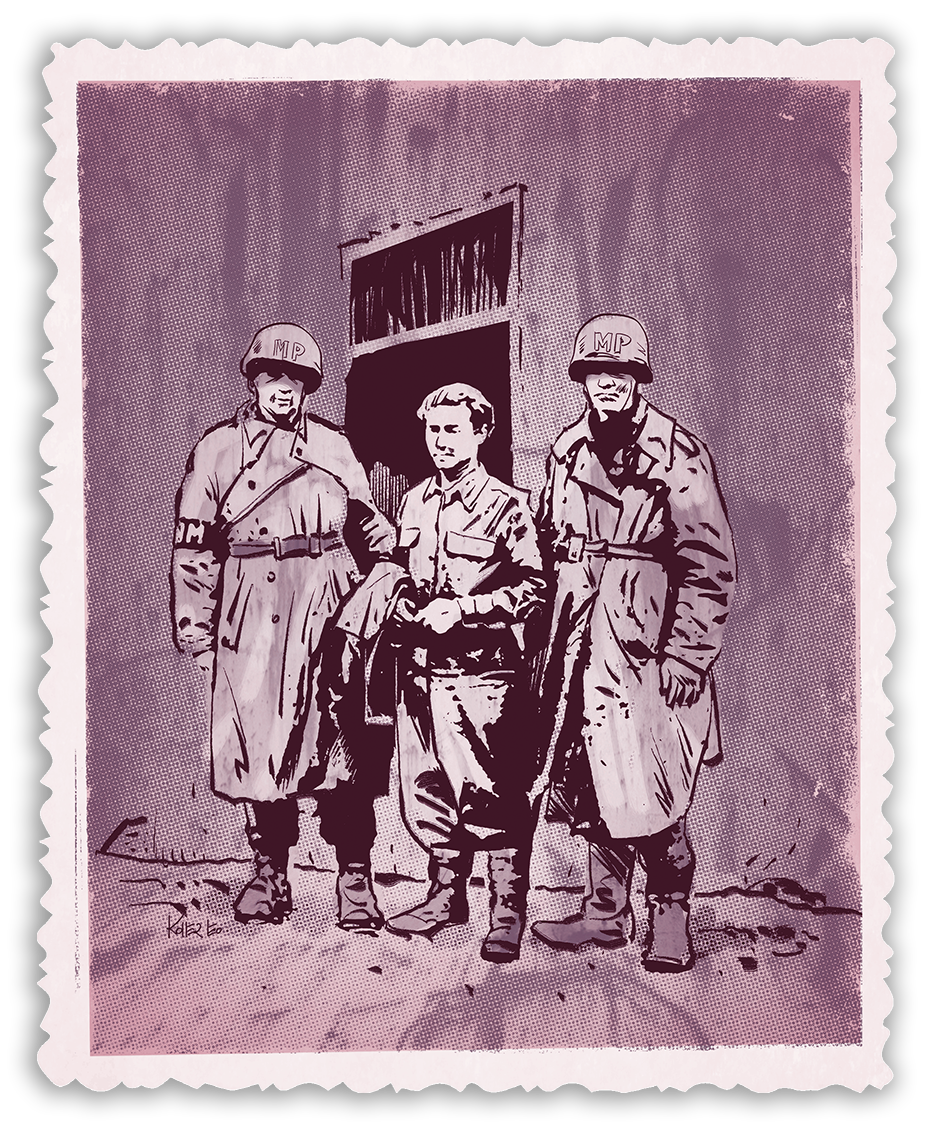
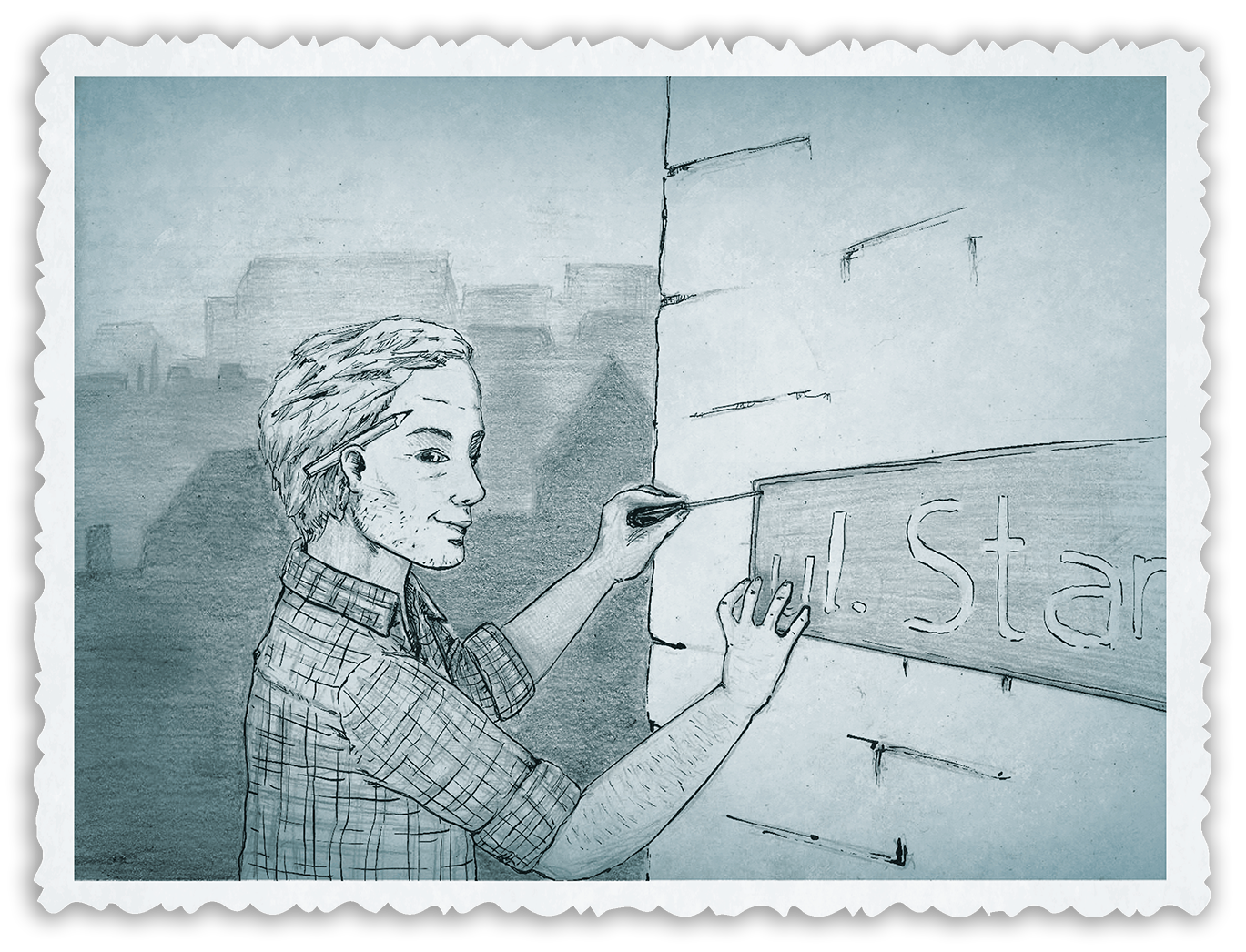
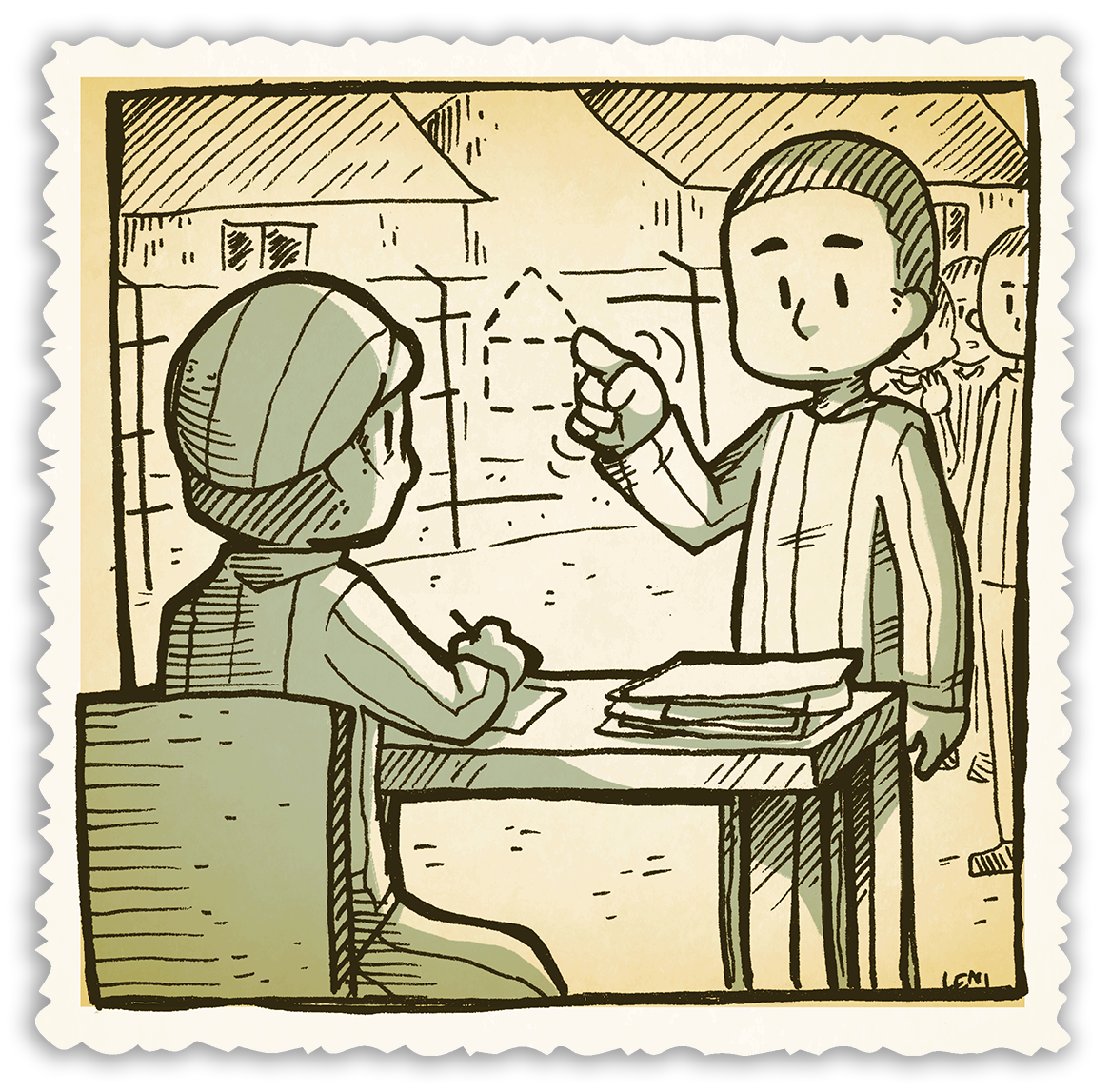
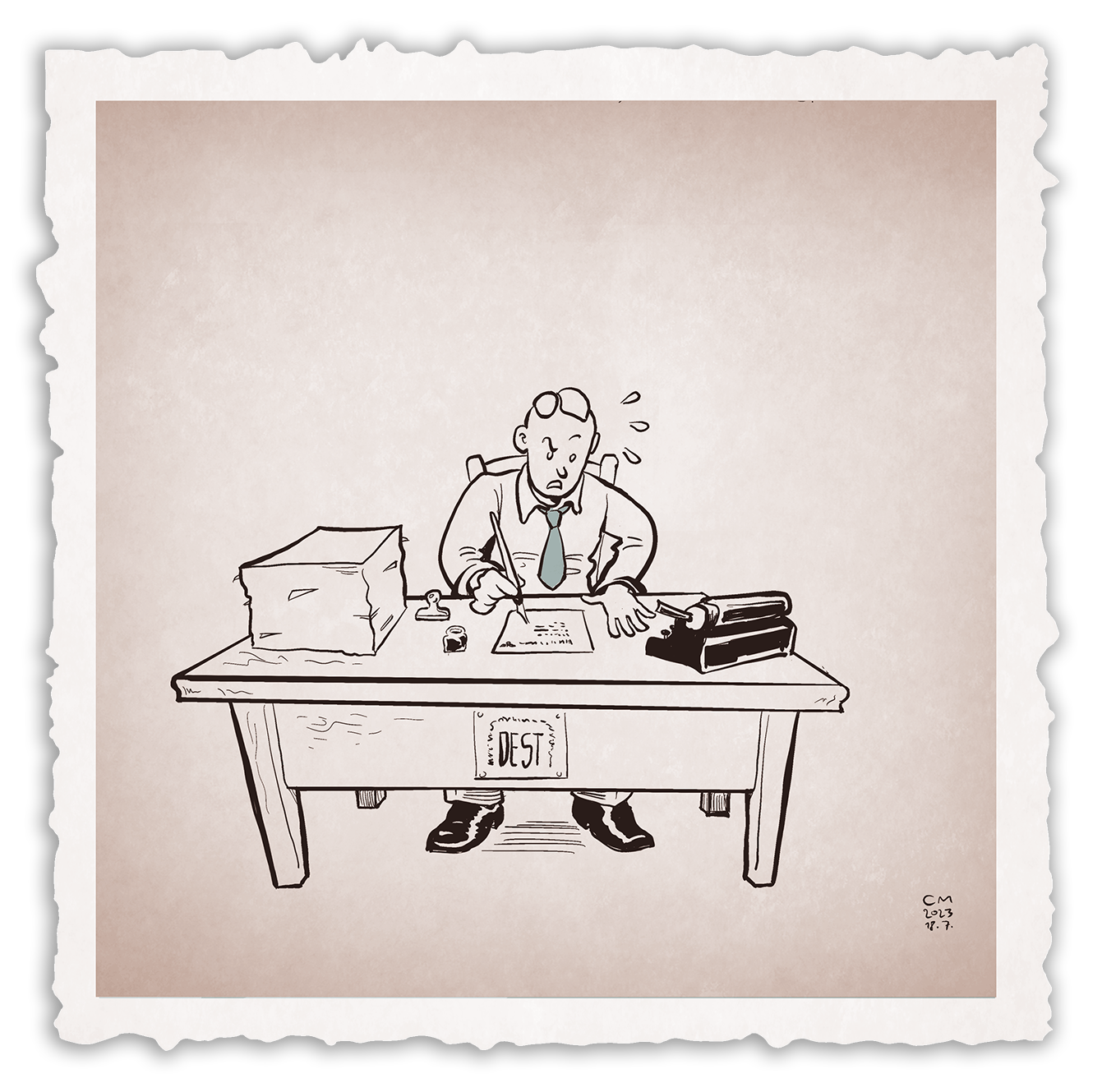
Illustrations: Michael Car, Alice Cimador, Johannes Doppler, Alena Ertl, Walter Fröhlich, Nina Hable, Leo Koller, Laetitia König, Vanessa Kronjäger, Natalie Sandner
Technical challenges included the arrangement of the cards – they are initially distributed randomly, but no card should be completely covered, the movement and rotation of the cards should feel as realistic as possible, and the movement of the cards must remain smooth, even when many cards are moved at the same time.
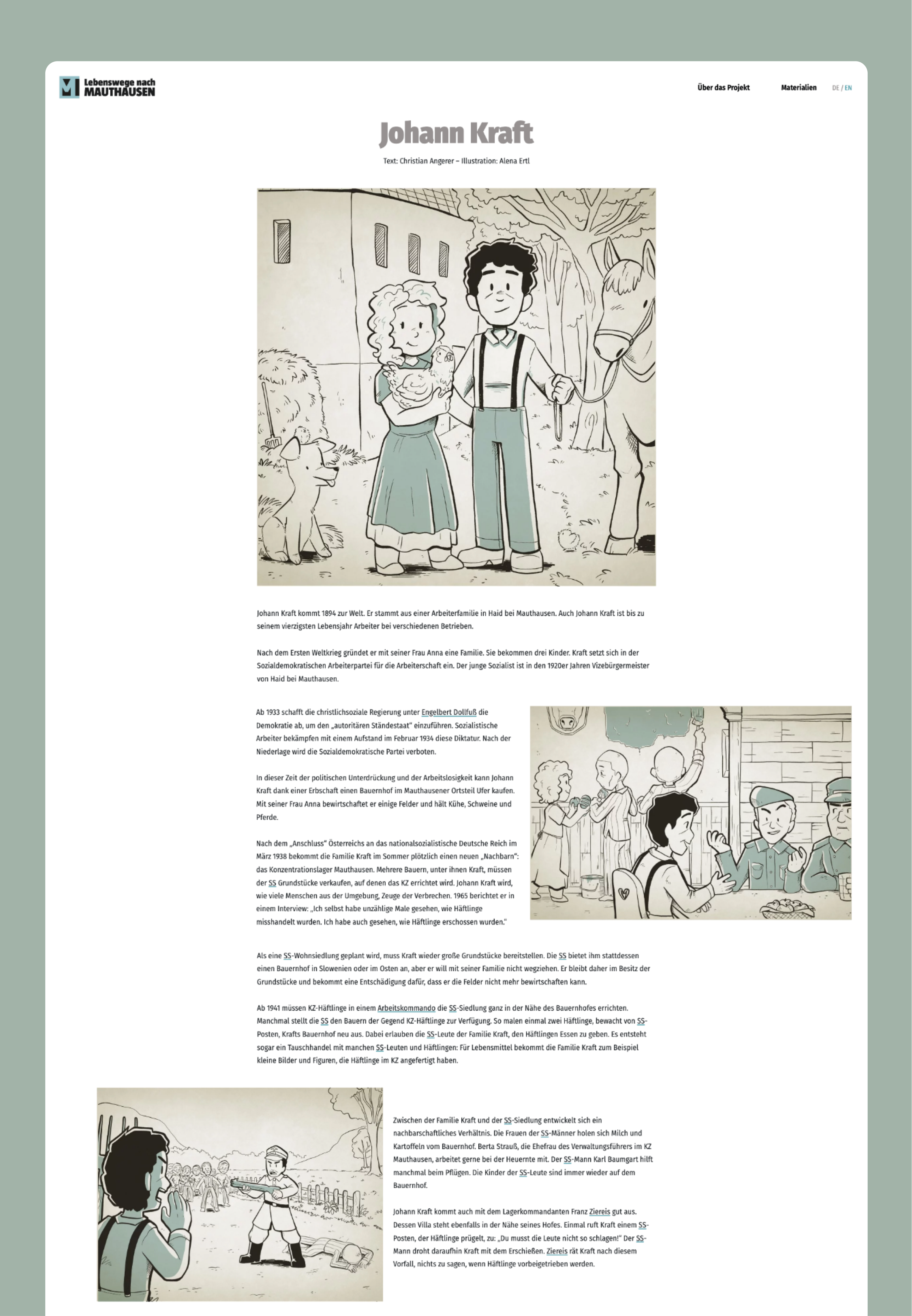
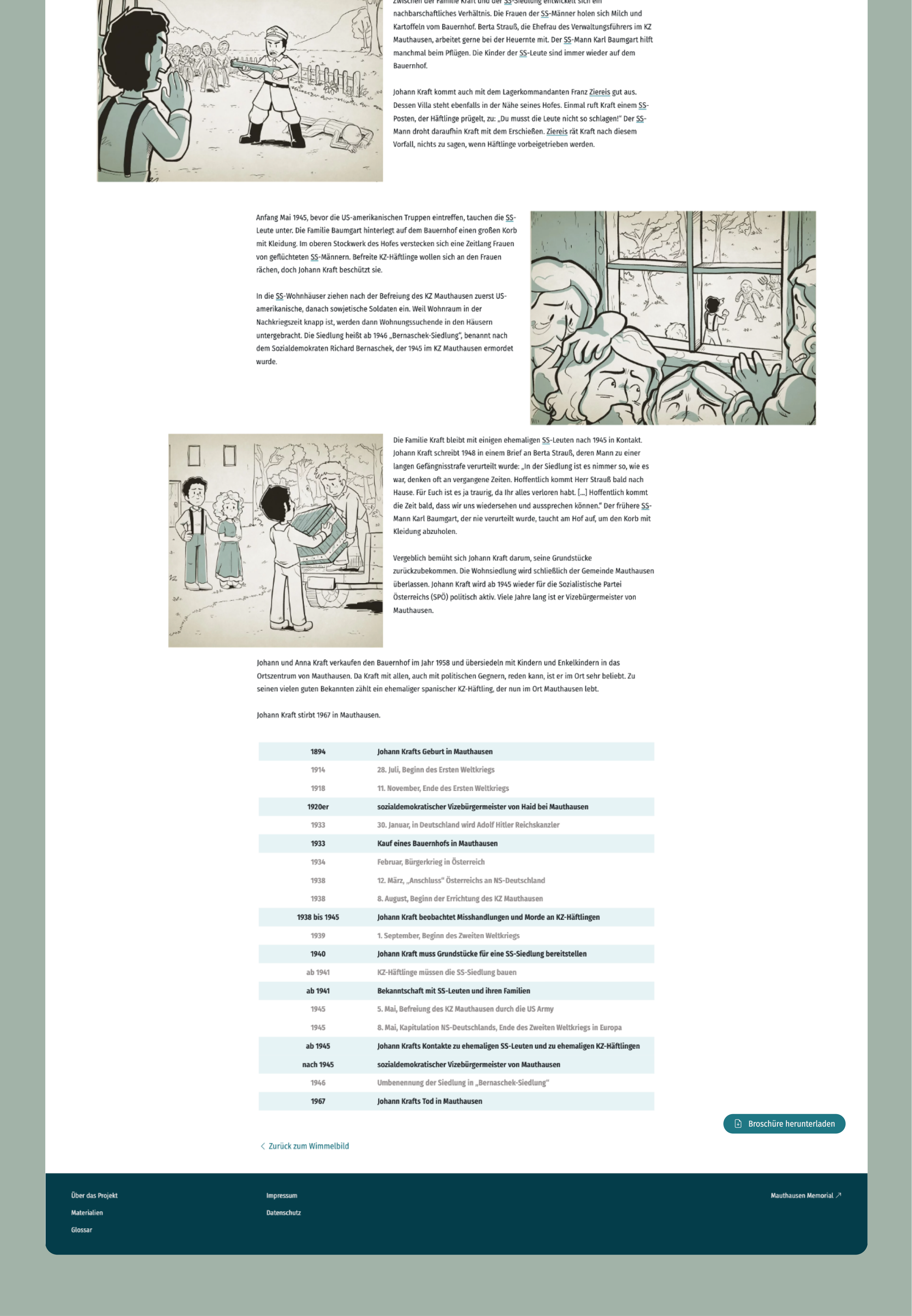
For the presentation of the individual biographies, editors have various options for arranging text and images. There is also a timeline content element for displaying the biographical milestones as a list.
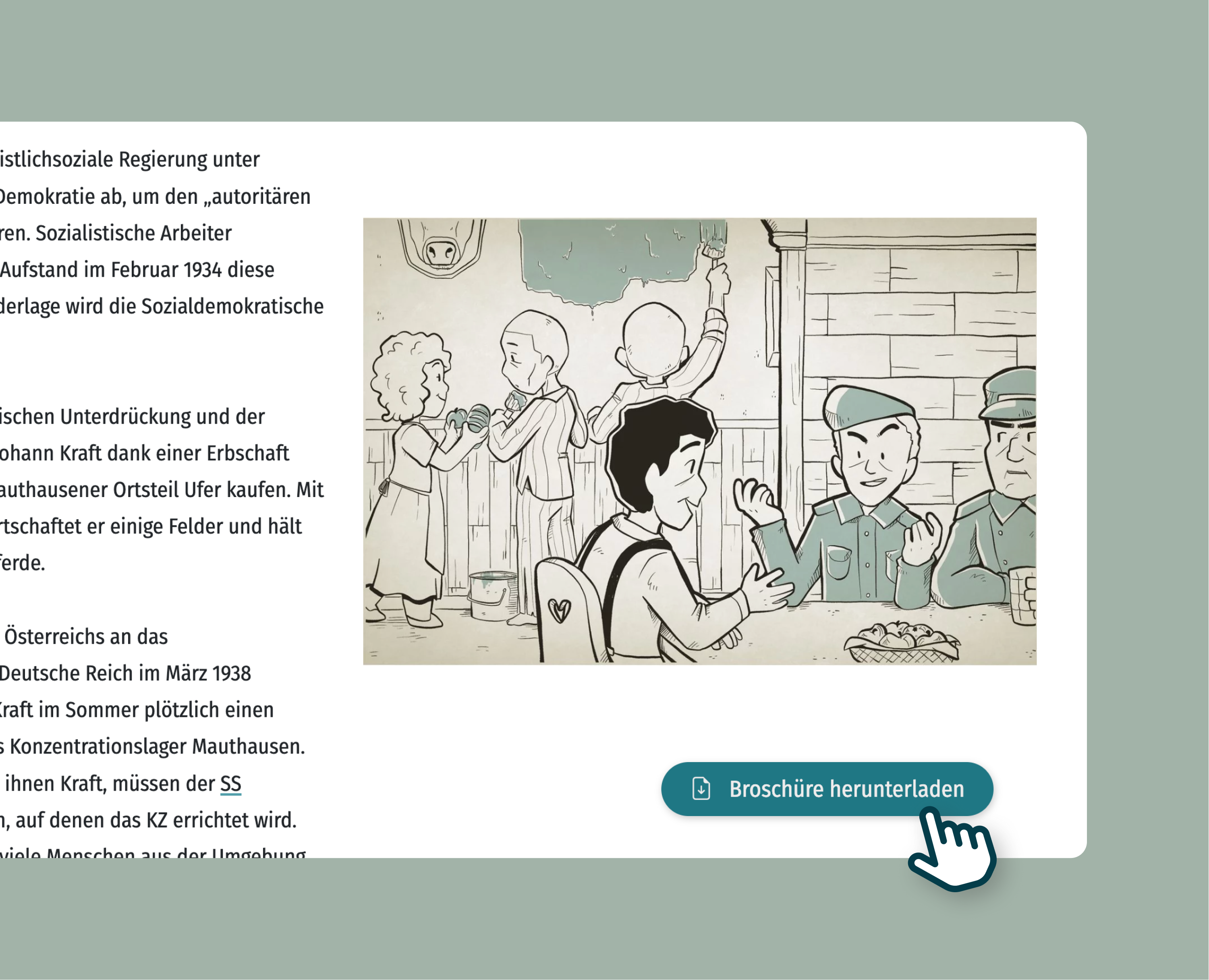
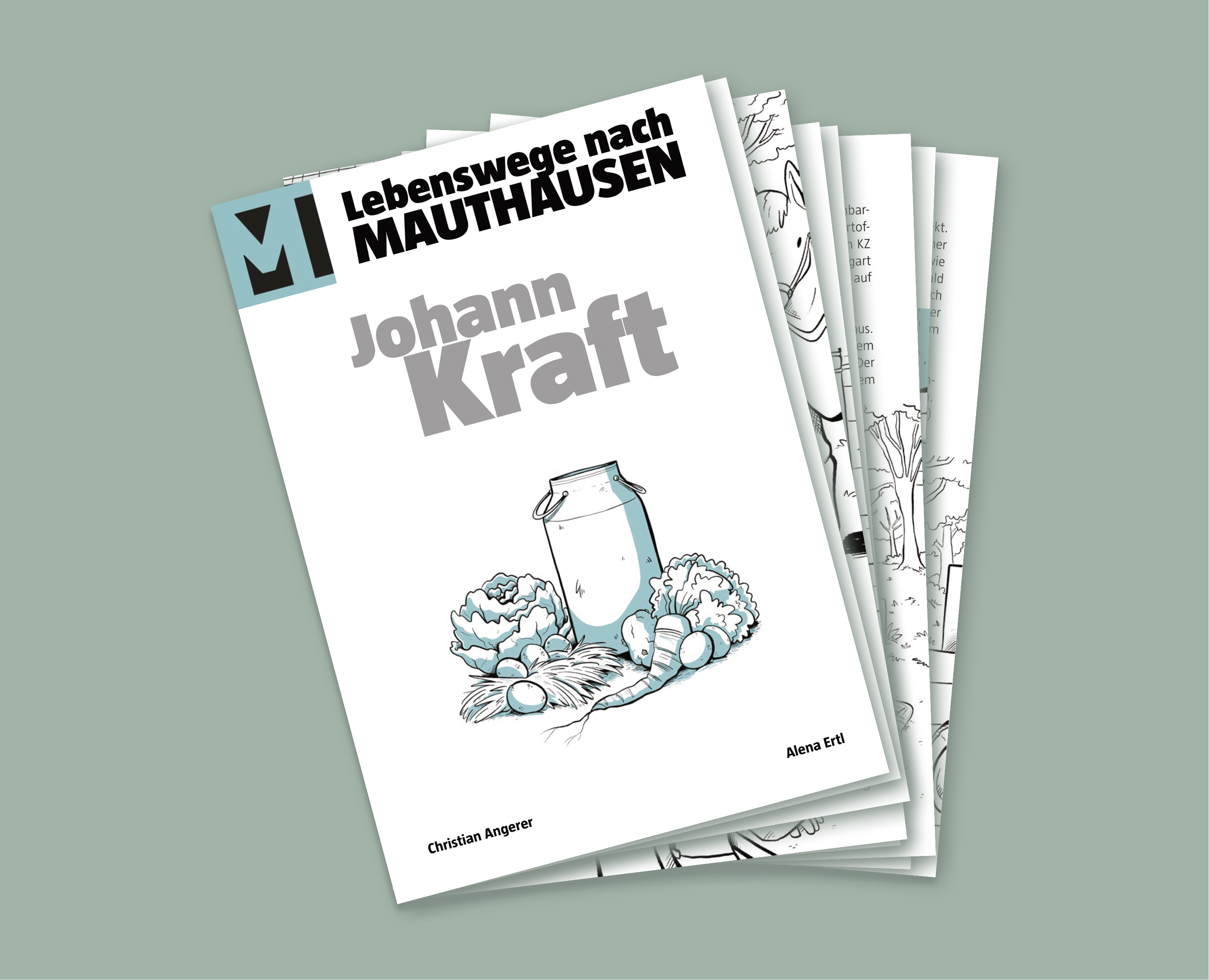
Every biography is available as a PDF brochure that can be downloaded.
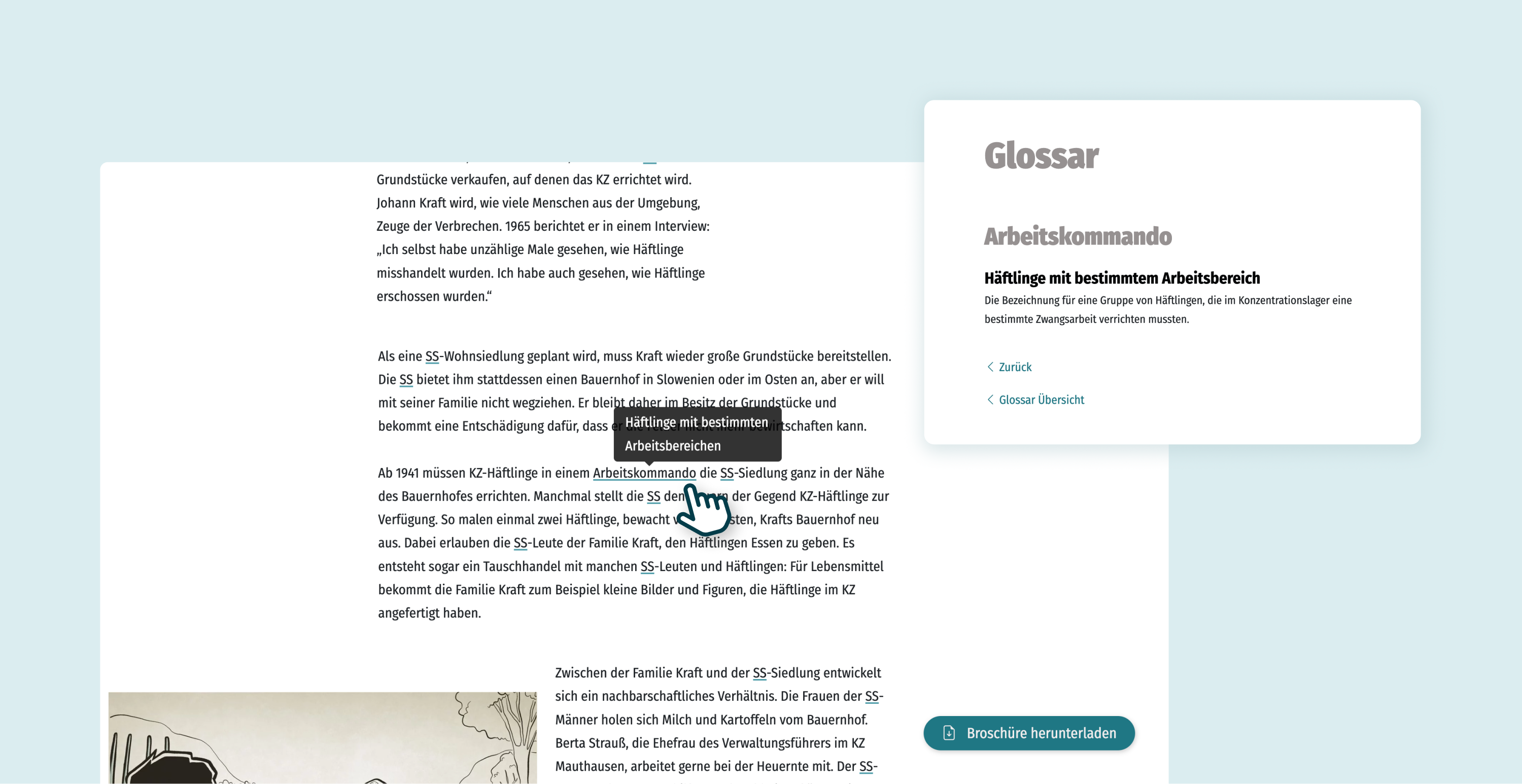
The website has a glossary function. Terms added to the glossary appear underlined and display a short definition on mouse-over. On click, the user is directed to the detailed definition.
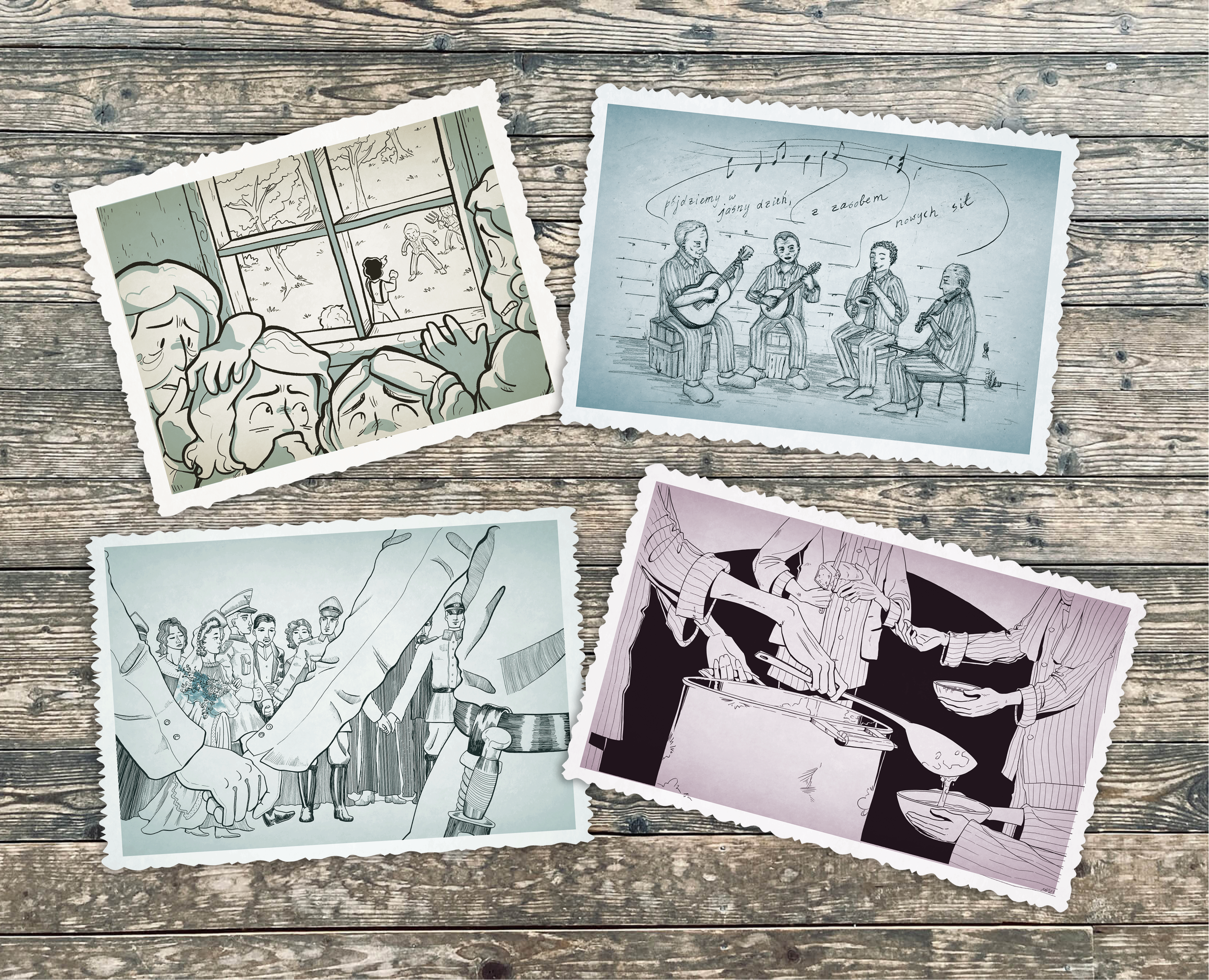
The picture stories were illustrated by different artists, a full list can be found here. As a background image for the hidden-object image, a photo of the floor in one of the barracks was used.